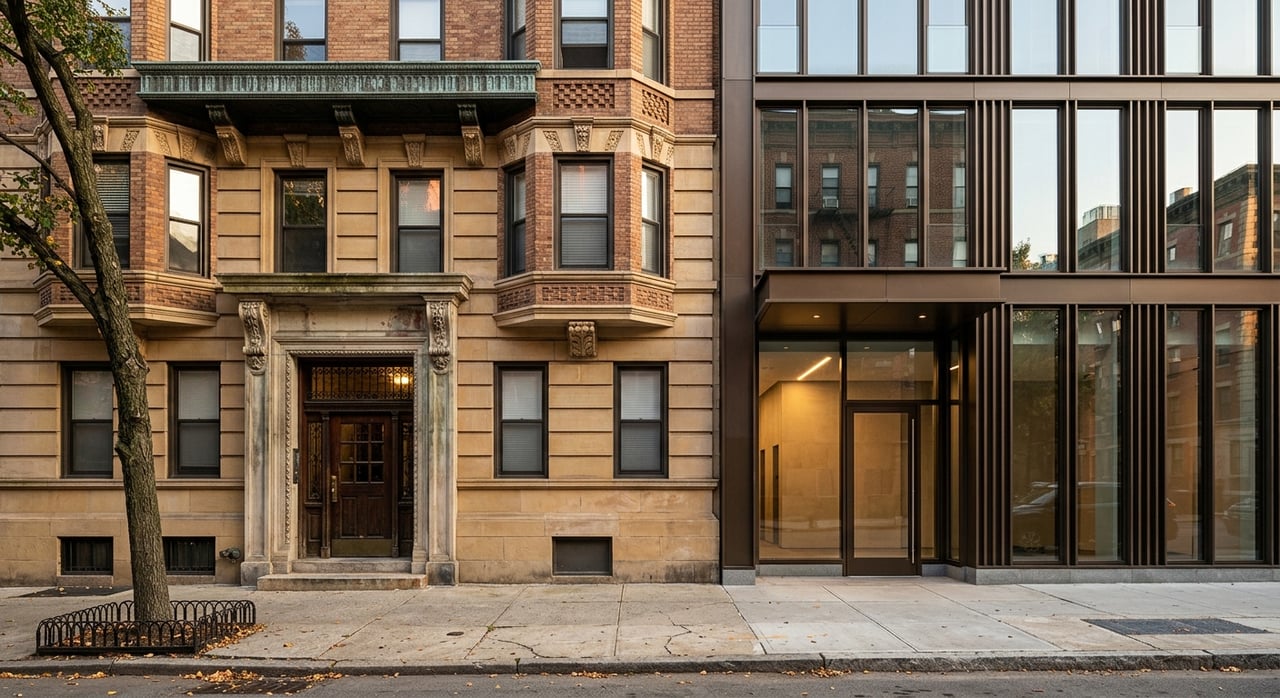
If you are deciding between a classic six and a new condo on the Upper West Side, you are really choosing between two very different ways of living. One offers prewar scale, formal rooms, and architectural character. The other leans into contemporary layouts, amenities, and newer building systems. On the Upper West Side, where prewar inventory remains a defining part of the neighborhood and new condo supply is limited, that choice deserves a thoughtful look. Let’s dive in.
Upper West Side Context Matters
The Upper West Side is still one of Manhattan’s most prewar-heavy neighborhoods. StreetEasy describes it as a place known for casual strolling, cultural institutions like Lincoln Center, and a housing stock dominated by large prewar apartment buildings. In 2025, StreetEasy reported a median asking price of $1.545 million and a median asking rent of $4,500.
If you are shopping here today, you can still compare both ownership types. StreetEasy search snapshots reviewed for this piece showed 428 co-op listings, 503 condo listings, and 910 co-op-or-condo listings overall on the Upper West Side at that time. Those numbers change, but they confirm that buyers can actively explore both classic co-ops and condos in the neighborhood.
What is less common is truly new condo supply. NYU Furman Center reported just 37 new residential building permits and 166 certificates of occupancy for new buildings in 2025 on the Upper West Side. Habitat Magazine also reported a Corcoran Sunshine projection that only 51 new condo units are expected through 2028, a sharp contrast to the 869 units delivered from 2016 to 2019.
What Defines a Classic Six
A classic six is a prewar six-room apartment made up of a kitchen, living room, dining room, two bedrooms, and a maid’s room. Bathrooms are not included in that room count. Recent references also place many classic six layouts in the 1,500 to 2,000 square foot range.
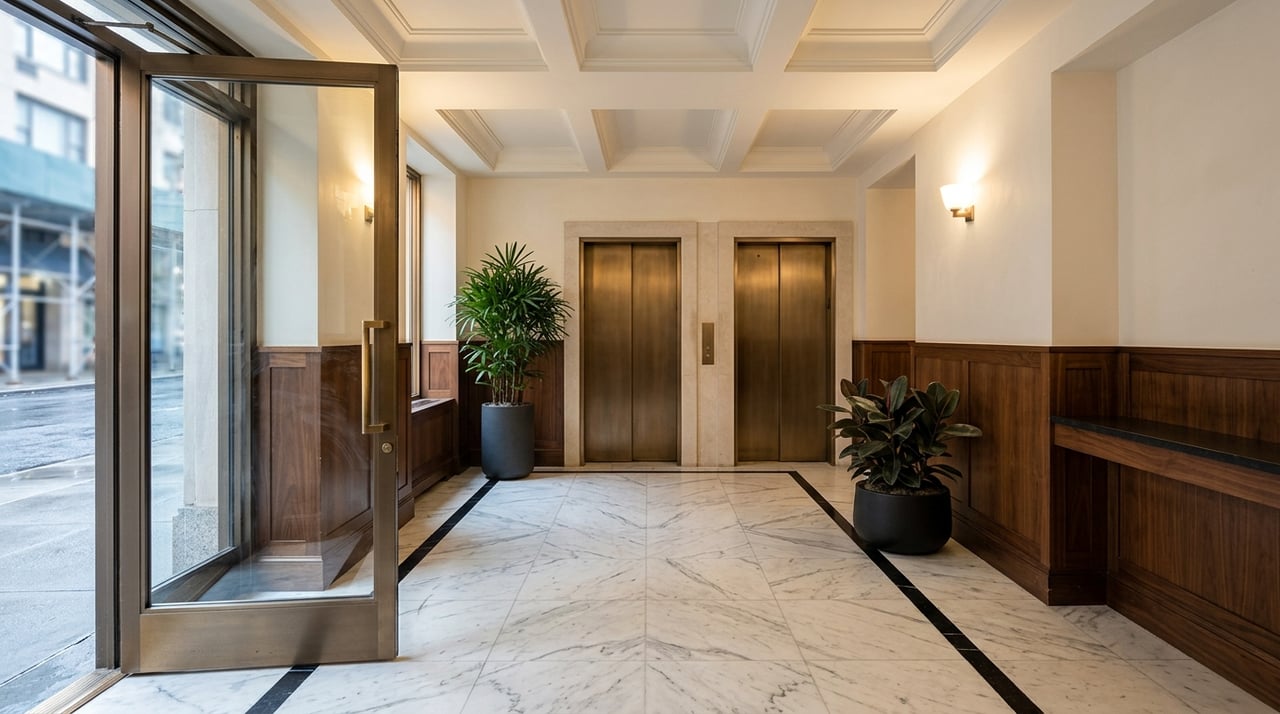
Beyond the floor plan, the appeal is often emotional as much as practical. These homes frequently include high ceilings, thick walls, moldings, galleries, and other prewar details that give them presence and rhythm. On the Upper West Side, classic six residences are especially associated with older co-op buildings.
That layout can feel wonderfully structured if you value separation between rooms. A formal dining room can remain a true dining room, while the smaller extra room may work as a home office, nursery, guest room, or laundry space. For many buyers, that flexibility is part of the draw.
Why Buyers Still Love Classic Sixes
Classic six apartments often appeal to buyers who want scale, privacy, and architectural character. Instead of one open living area doing everything, each room tends to have a clear purpose. That can make daily life feel calmer and more composed, especially if you work from home or prefer a more traditional layout.
Prewar construction also has practical advantages. Thick walls can create a sense of quiet, and the proportions of the entertaining rooms often feel more generous than what you may find in some newer apartments. If you care about craftsmanship, original details, and a sense of history, a classic six can be deeply compelling.
On the Upper West Side, there is also a strong location fit. The neighborhood’s identity is closely tied to prewar buildings, and classic six inventory is part of that architectural fabric. For some buyers, owning one feels aligned with the neighborhood’s enduring style.
Where a Classic Six Can Ask More of You
The same features that make a classic six charming can also require compromise. These homes are usually more compartmentalized than newer condos, so if you prefer open-plan living, the layout may feel less natural. Kitchens can also be smaller than what many buyers expect today.
Updates may take more planning as well. In many classic six co-ops, alterations are subject to board review, which can affect how quickly or extensively you renovate. That does not make these homes less desirable, but it does mean your vision should match the building’s process and rules.
Due diligence is especially important in prewar buildings. The New York Attorney General recommends reviewing the offering materials, board minutes, financial reports, and physical condition of the building, including potential issues involving facades, roofs, elevators, plumbing, and electrical systems.
What Sets a New Condo Apart
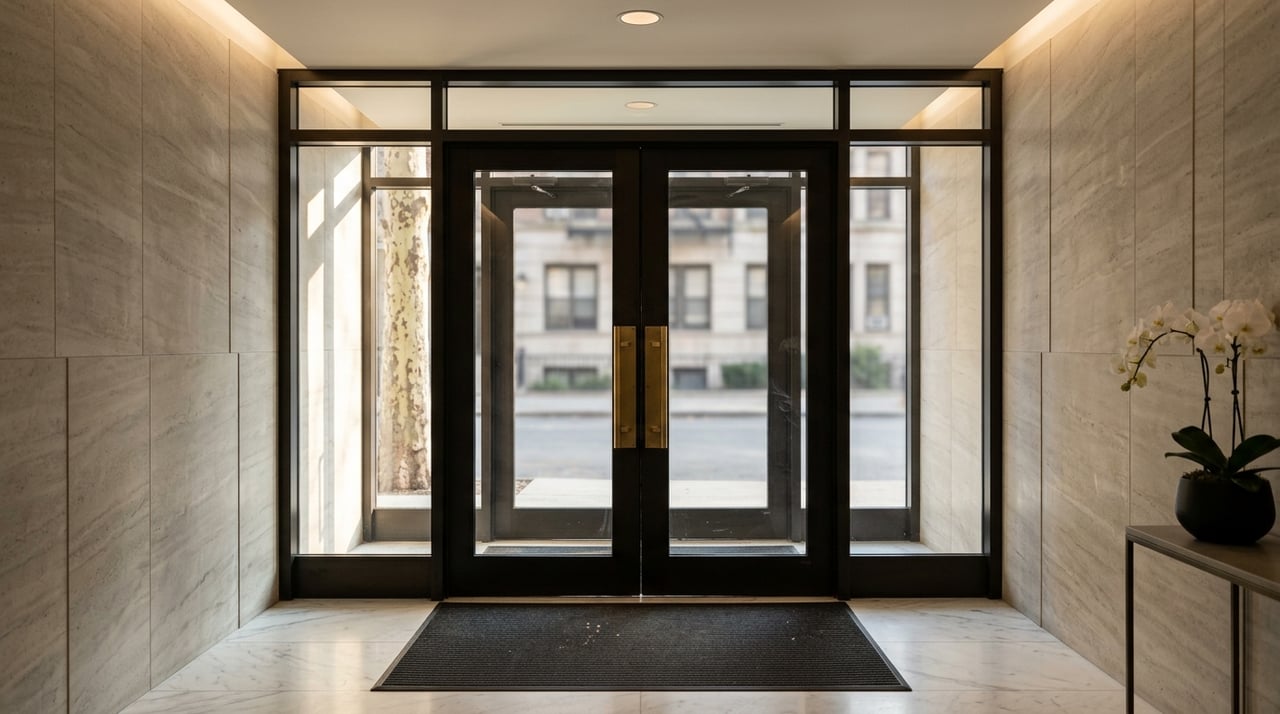
A new condo on the Upper West Side usually offers a very different experience. Instead of formal room separation, you will often see more contemporary layouts, open kitchens, larger windows, and a design language shaped around modern daily life. Active Upper West Side listings and recent local project coverage show features such as open chef’s kitchens, floor-to-ceiling windows, and sponsor-paid common-charge incentives.
Amenities are another major distinction. Recent reporting on new luxury developments in New York highlights gyms, pools, spa-style wellness spaces, children’s playrooms, outdoor dining areas, and lounge spaces as core parts of the package. For buyers who want convenience and services built into the building, that can be a meaningful upgrade.
Newer construction can also feel simpler from a systems standpoint. While every building still requires review, some buyers prefer the relative ease of newer interiors and common areas over the maintenance questions that can come with older housing stock.
Why New Condos Stay Competitive
On the Upper West Side, new condos remain attractive partly because they are not abundant. Limited future supply helps keep them in focus for buyers who want a newer product in a neighborhood dominated by prewar residences. In many cases, choosing a condo here is less about finding a common alternative and more about trading up to a more service-oriented living experience.
For some buyers, the appeal is straightforward. You may want amenities, a more current aesthetic, and building features that support entertaining, wellness, or flexible work routines. If that sounds like your lifestyle, a new condo may feel more aligned from day one.
Condos also offer a different form of ownership. According to the New York Attorney General, a condo owner owns the unit separately along with an undivided interest in the common elements. The NYC Department of Finance also treats each condo unit as a separate tax lot.
Ownership Structure Is Not a Small Detail
When you compare a classic six to a new condo, you are often also comparing a co-op structure to a condo structure. In a co-op, you buy shares in a corporation and receive a long-term proprietary lease. Monthly maintenance is based on your shares in the building.
That differs from condo ownership, where monthly costs are generally split between common charges and property taxes. CityRealty notes that condo common charges may cover many of the same operating items as co-op maintenance, but they do not include property taxes. As a result, the total monthly carrying cost can be materially higher once taxes are added.
This is one of the most important practical comparisons to make. A buyer can love the look of a new condo or the grandeur of a classic six, but the monthly cost structure may shape the final decision just as much as the floor plan does.
How to Compare Monthly Carrying Costs
A side-by-side review can help you stay grounded.
| Factor | Classic Six Co-op | New Condo |
|---|---|---|
| Typical appeal | Prewar detail, formal rooms, privacy | Modern layouts, amenities, services |
| Ownership form | Shares in corporation plus proprietary lease | Direct ownership of unit plus common interest |
| Monthly charges | Maintenance | Common charges plus property taxes |
| Layout style | More compartmentalized | More open and contemporary |
| Renovation process | Often subject to board review | Building-specific rules apply |
| Supply on UWS | Strong prewar presence | Limited new supply |
A tax benefit may also apply, but the process is building-driven. NYC Department of Finance says boards or managing agents apply for the co-op and condo property tax abatement on behalf of the development, with a February 15 deadline and updated filing rules in recent tax years.
Due Diligence for Either Choice
Whether you lean classic or contemporary, careful review matters. The New York Attorney General recommends reading the full offering plan, consulting an attorney, and reviewing financial reports, board minutes, and the building’s physical condition before you buy.
For a classic six, your focus may center on deferred maintenance, capital needs, and the condition of older systems. For a new condo, the attention often shifts toward common charges, building operations, and the long-term cost of the amenity package. Both paths can be rewarding, but each requires a different lens.
On the Upper West Side, this decision is rarely just about square footage. It is about how you want your home to function, what kind of building experience you value, and how that choice fits your long-term priorities.
Which Option Fits Your Lifestyle
A classic six may suit you best if you value elegance, room separation, and prewar architecture. It can be a strong fit if you appreciate homes with history and are comfortable with the realities of an older building and, often, co-op oversight.
A new condo may be the better choice if you want a more turnkey environment, a more contemporary layout, and amenities that support everyday convenience. On the Upper West Side, that choice also carries a scarcity factor, since truly new condo inventory remains limited.
The right answer is rarely universal. It depends on how you live, how you entertain, and what kind of ownership experience you want. For a buyer seeking thoughtful guidance in one of Manhattan’s most nuanced markets, a private and tailored conversation is often the best place to start.
If you are weighing a classic six against a new condo on the Upper West Side, Filippa Edberg-Manuel offers discreet, design-aware guidance shaped by Manhattan’s luxury market and a highly personalized advisory approach.
FAQs
What is a classic six apartment on the Upper West Side?
- A classic six is a prewar six-room apartment with a kitchen, living room, dining room, two bedrooms, and a maid’s room, with bathrooms excluded from the room count.
Are most classic six apartments on the Upper West Side co-ops?
- Many classic six apartments on the Upper West Side are located in co-op buildings, according to the research referenced in this article.
Are new condos common on the Upper West Side?
- New condo supply is relatively limited on the Upper West Side, with only 51 new condo units projected through 2028 in one cited report.
How do monthly costs differ between a co-op and a condo in Manhattan?
- Co-op owners typically pay maintenance, while condo owners generally pay common charges plus separate property taxes.
What should buyers review before purchasing a classic six or new condo in New York?
- Buyers should review the full offering plan, consult an attorney, and examine the building’s financial reports, board minutes, and physical condition.