If you collect art, you already know that square footage alone does not make a home feel right. In the Upper East Side, the best residences for a collection are often the ones with clear room sequence, strong wall space, and the kind of architectural presence that lets each piece read with intention. If you are buying, selling, or refining a collector-focused property here, it helps to understand what truly supports art display and long-term care. Let’s dive in.
Why the Upper East Side Fits Art Homes
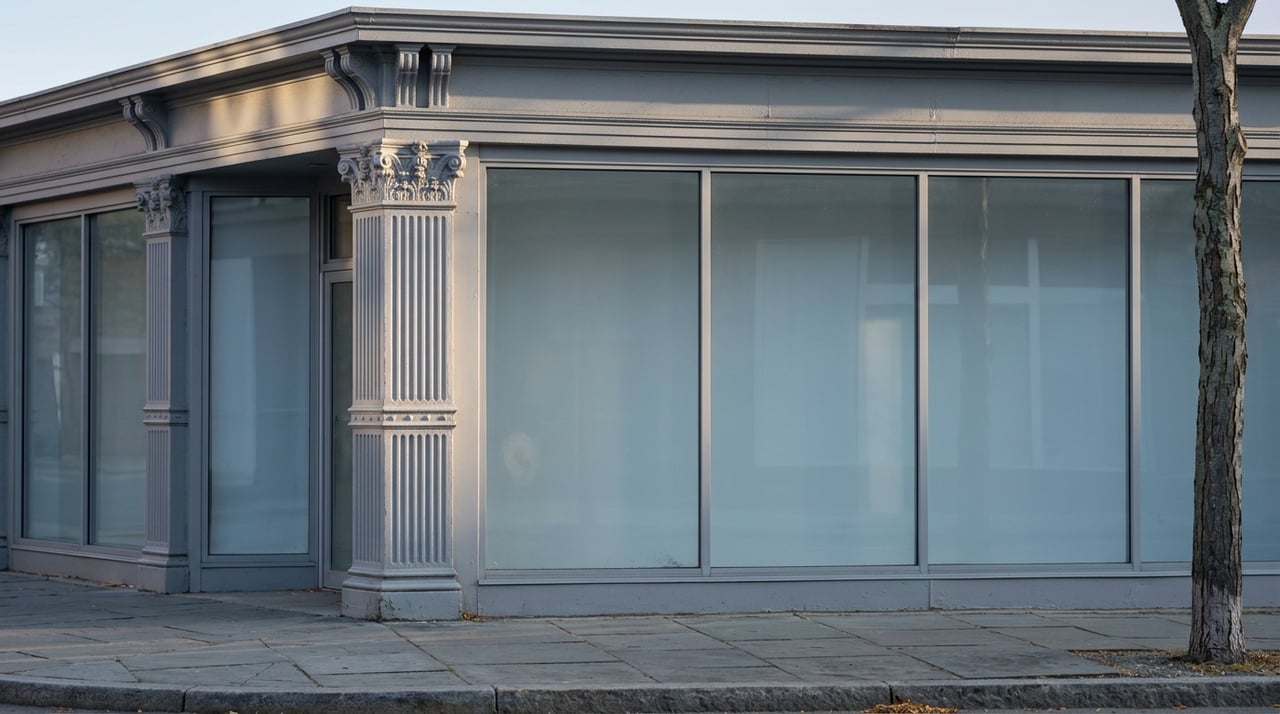
The Upper East Side has an architectural character that naturally supports collector-minded living. Manhattan Community Board 8 defines the neighborhood as stretching from East 59th to East 96th Street, from Fifth Avenue to the East River, and it includes Roosevelt Island. Much of this area is shaped by landmark protections, including the Upper East Side Historic District and its later extension along Lexington Avenue.
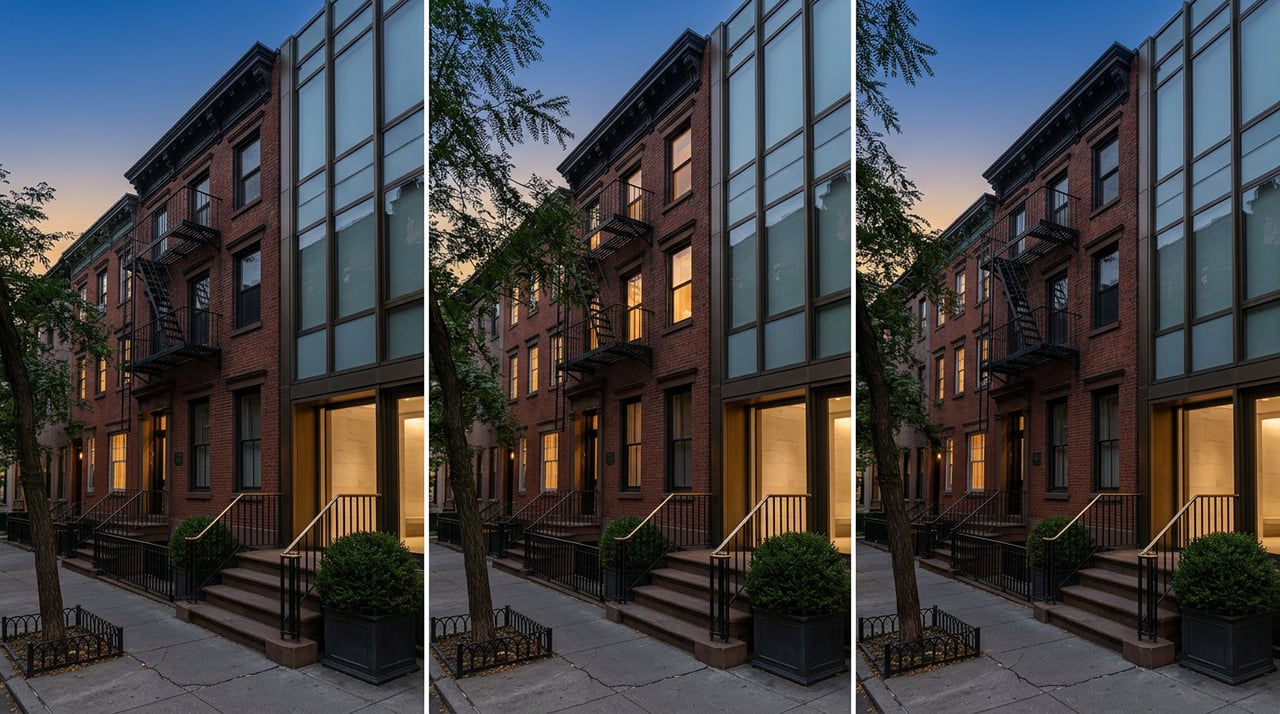
That preservation matters because it helps retain the residential fabric that collectors often value most. Rather than reading as a uniform field of newer towers, many Upper East Side homes still reflect prewar apartment-house planning and townhouse proportions. In practical terms, that can mean more legible room layouts, more substantial wall runs, and ceiling volumes that support art in a more composed way.
For collectors, this is not just about grandeur. It is about finding a home where architecture and artwork can coexist without competing for attention. A residence with thoughtful proportions often presents a collection more elegantly than one with larger but less usable space.
Prioritize Usable Wall Space
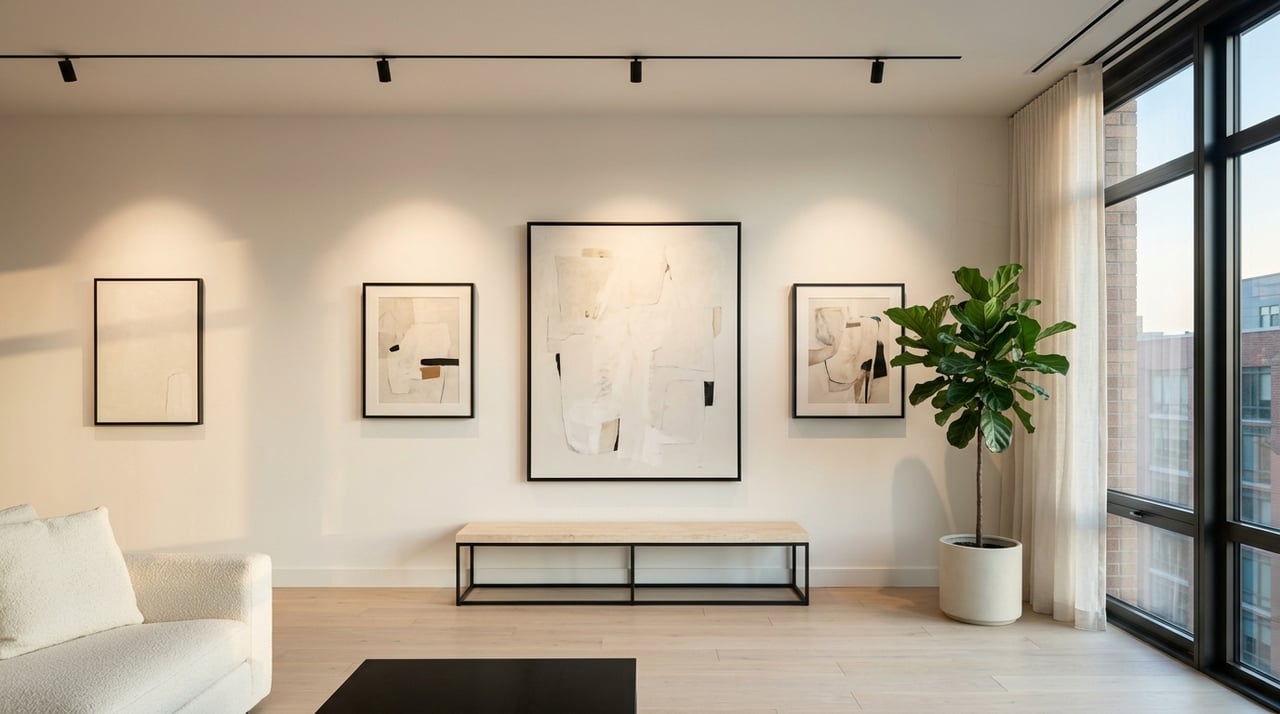
When you evaluate an Upper East Side home for art, start with the most basic question: how much uninterrupted display surface do you actually have? A large apartment can still feel limiting if windows, doors, trim, and fireplaces break up every major wall. By contrast, a home with fewer interruptions may offer a much stronger canvas for important works.
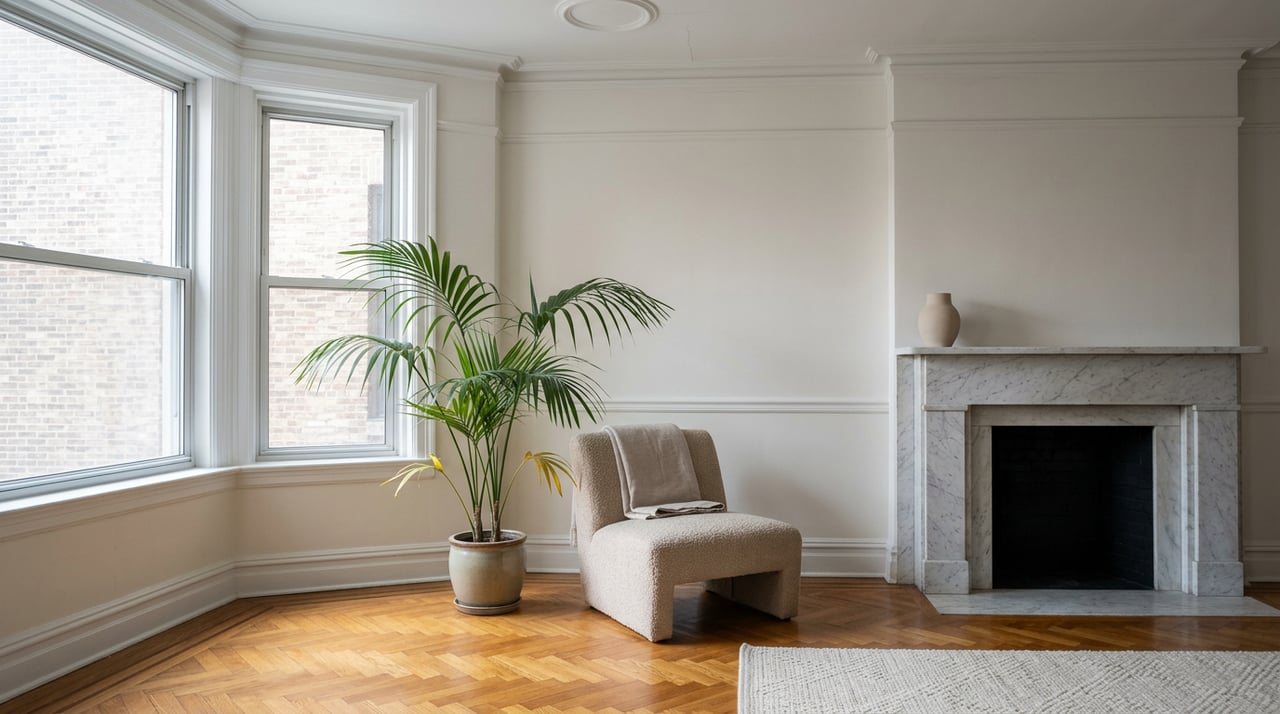
Historic interior guidance from the National Park Service points to room sequence, proportions, foyers, parlors, dining rooms, staircases, and floor-to-ceiling height as character-defining features. For a collector, that translates into a simple advantage. Rooms that were designed with clear hierarchy and proportion often give artwork more visual structure.
Look closely at these features when touring a property:
- Long walls that can accommodate overscale works
- Balanced rooms that still feel open after furniture placement
- Wide halls or foyers that create gallery-like moments
- Stair landings or tall vertical zones for sculpture or large-format pieces
- Architectural details that frame rooms without overly fragmenting display walls
The most successful art homes are usually edited, not crowded. You want each room to offer breathing room, clear sight lines, and a natural place for the eye to rest.
Room Sequence Shapes the Viewing Experience
Collectors often focus on individual rooms, but the flow between rooms matters just as much. In many classic Upper East Side residences, the sequence from foyer to public rooms to more private areas creates a rhythm that can support a collection beautifully. That progression can make a home feel curated rather than simply furnished.
A foyer or gallery-like entry is especially useful. It creates a threshold between the city outside and the interior experience of the home. It also gives you a place for a first impression piece, while buffering more intimate rooms deeper inside the residence.
Museum history reinforces this idea in a useful way. Broad wall planes, controlled sight lines, and ceiling volume all shape how art is experienced. In a home, the goal is not to recreate a museum, but to create calm, intentional transitions so each work has context.
Ceiling Height Still Matters
Ceiling height remains one of the clearest indicators of whether a room can support serious display. The National Park Service specifically notes that floor-to-ceiling height and distinctive proportions are important aspects of historic interiors. In practical terms, taller ceilings can give larger works room to breathe and can improve the overall balance between architecture, furniture, and art.
This does not mean every collector needs double-height space. In fact, many Upper East Side homes succeed because their primary rooms are proportionate rather than oversized. What matters is that the room still feels visually stable once seating, lighting, and daily living needs are in place.
If you are selling a collector-oriented home, this is also where presentation matters. A thoughtfully staged room that preserves negative space can help buyers immediately understand the scale and display potential of the interior.
Control Light, Do Not Chase It
Natural light can be beautiful, but for art, it needs to be managed. The Library of Congress notes that light damage is cumulative and often irreversible, and direct sunlight is generally avoided for light-sensitive works. UV and infrared radiation should be reduced or blocked, and UV-absorbing glazing is a standard mitigation when UV cannot be eliminated at the source.
For a collector home, this changes the usual conversation around bright interiors. The best room for a morning coffee may not be the best room for works on paper, photographs, or textiles. Daylight should be treated as a controllable variable, not as an automatic benefit in every display zone.
The Smithsonian’s exhibition guidance adds helpful context. Light-sensitive materials are often kept around 50 lux, while more durable objects such as oil paintings, stone, metal, glass, and ceramics can tolerate higher light levels. That means a well-designed home often separates delicate works from the brightest rooms and relies on controlled, dimmable artificial lighting for primary display.
A practical approach includes:
- Layered shades or drapery for daylight control
- UV-reducing glazing where appropriate
- Dimmable lighting to adjust by medium and time of day
- Thoughtful placement of delicate works away from direct sun
In other words, the most art-friendly home is not necessarily the brightest one. It is the one where light can be shaped with precision.
Protect the Collection With Stable Conditions
Temperature and humidity are just as important as light. Smithsonian conservation guidance for general collections targets 70°F ±4 and 45% ±8 relative humidity, while Smithsonian Archives recommends 35 to 65°F and 30 to 50% relative humidity for paper-based collections. The common thread is stability.
In New York, that matters year-round. Humid summers and dry winters can create swings that are hard on artwork, especially paper-based pieces and other sensitive media. A residence does not need museum-level storage in every room, but collection areas should avoid sharp fluctuations whenever possible.
This is where building systems become part of the design conversation. If a home has excellent walls and proportions but inconsistent climate control, it may not be the right fit for a serious collection without thoughtful upgrades. For sellers, strong environmental systems can also become an important part of the property story.
Factor in Upper East Side Building Reality
Collector homes in the Upper East Side exist within a very specific urban context. New York City neighborhood reporting for the Upper East Side highlights climate-related hazards including extreme heat, coastal storms, flooding, and elevated ozone. The housing profile also notes that leaks and supplemental heat remain present in a minority of homes, even though air conditioning is common.
For you as a buyer or owner, that means resilience is not secondary. HVAC redundancy, moisture management, and leak detection are part of protecting the collection. In a townhouse, that may shape how you think about upper-floor display, basement storage, and mechanical planning. In an apartment, it may shape how you evaluate windows, building systems, and ongoing maintenance.
When reviewing a property, think beyond the floor plan. Ask whether the residence can maintain stable conditions during seasonal shifts and whether the building infrastructure supports that goal.
Landmark Rules Can Shape Design Choices
Many Upper East Side properties sit within historic districts, and that affects renovation planning. The Landmarks Preservation Commission states that most exterior changes to front and rear facades in historic districts require review. Interior work that affects the exterior, including HVAC louvers and vents, also requires a permit.
That does not mean collector-focused upgrades are impossible. It means they should be planned with preservation review in mind from the outset. The Commission also notes that most permit approvals are issued at the staff level, which suggests that compliant, well-prepared work can move through a clear process.
If you are considering a landmarked townhouse or an apartment in a historic building, think early about:
- Window replacement strategy
- HVAC venting and condenser placement
- Exterior penetrations for new systems
- Maintenance needs that affect environmental performance
The right residence is not only visually suited to art. It is also practical to adapt and maintain within its regulatory setting.
Use a Four-Part Framework
One of the clearest ways to assess an Upper East Side home for art is through four lenses: spatial capacity, environmental stability, regulatory flexibility, and resilience. Together, these factors help you see beyond finishes and toward long-term suitability.
Here is a simple way to think about them:
| Lens | What to Look For |
|---|---|
| Spatial capacity | Uninterrupted wall space, ceiling height, clear room sequence |
| Environmental stability | Consistent temperature and humidity, controllable light |
| Regulatory flexibility | Ability to complete needed upgrades within landmark rules |
| Resilience | Leak protection, moisture management, strong building systems |
A home that performs well across all four categories is far more likely to serve a collection gracefully over time. It will also tend to present better in the market, because buyers can feel when a property has been considered at a deeper level.
What This Means for Buyers and Sellers
If you are buying, the goal is to look past surface beauty and evaluate how a home truly functions for art. The right property may be one with a gracious foyer, strong walls, balanced primary rooms, and the ability to maintain stable conditions through the seasons. In the Upper East Side, those details often matter more than headline square footage.
If you are selling, the opportunity is to position the residence with clarity and restraint. A collector-oriented buyer will notice proportion, flow, light control, and environmental care. When those qualities are presented thoughtfully, the home reads not just as luxurious, but as deeply considered.
In a neighborhood defined by architectural continuity and long-standing design culture, art lives best in homes that respect both beauty and stewardship. If you are considering a purchase, sale, or private evaluation of an Upper East Side residence with collector appeal, Filippa Edberg-Manuel offers discreet, design-led guidance tailored to the way exceptional homes are actually lived in and presented.
FAQs
What makes an Upper East Side home better for an art collection?
- The strongest homes for art usually offer uninterrupted wall space, balanced room proportions, clear room sequence, controllable light, and stable temperature and humidity.
Why does ceiling height matter in an Upper East Side art home?
- Ceiling height affects how comfortably large works can be displayed and how balanced a room feels once furniture, lighting, and artwork are all in place.
How should natural light be handled in a home with art?
- Natural light should be controlled with strategies such as layered shades, drapery, UV reduction, and dimmable artificial lighting, especially for light-sensitive works.
What environmental conditions help protect art in a residence?
- Stable temperature and humidity are key, because major seasonal swings, leaks, excess heat, and moisture can all increase the risk of long-term damage.
Do landmark rules affect art-focused renovations in the Upper East Side?
- Yes. In historic districts, many exterior changes and some interior work that affects the exterior, including certain HVAC elements, require Landmarks Preservation Commission review.
What should a buyer evaluate first in an Upper East Side collector home?
- Start with four areas: spatial capacity, environmental stability, regulatory flexibility, and resilience, because together they give a more complete picture of how well the home supports a collection.