If you own a West Village townhouse, privacy is not a luxury add-on. It is often part of the asset itself. In a market where inventory is scarce, values can stretch dramatically, and landmark rules shape buyer expectations, a quiet, well-planned sale can protect both your time and your home's positioning. This guide explains how to sell discreetly without sacrificing reach, credibility, or results. Let’s dive in.
Why discretion matters in West Village
West Village townhouses occupy a very small slice of the local housing market. Current market data shows just 8 townhouses for sale in West Village, with a median listing price of $4.5 million, while the broader neighborhood median sale price is $1.5 million. That gap helps explain why townhouse owners often choose a more selective launch.
A townhouse here is rarely judged like a standard apartment. Buyers tend to focus on details such as width, lot depth, condition, architectural character, and legal use. In a thin market, small differences in presentation and documentation can shape buyer perception in a major way.
The top end also sets an important tone. In Q1 2025, 11 Saint Luke's Place in the West Village was identified as Manhattan's top townhouse sale at $24.95 million. That kind of result shows how strongly the market can respond when a rare house is renovated, well positioned, and properly presented.
Landmark status shapes the sale
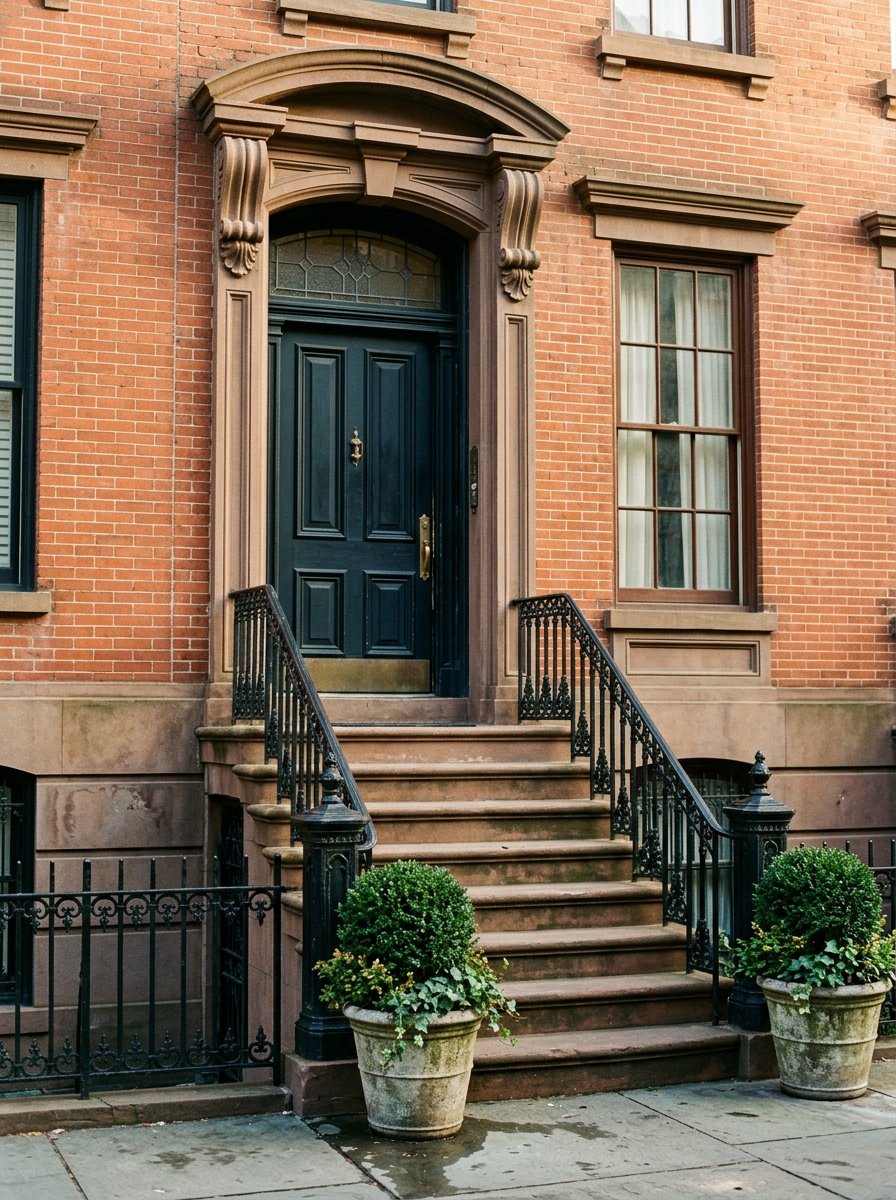
Many West Village townhouse blocks sit within the Greenwich Village Historic District, which was designated on April 29, 1969. In these areas, the Landmarks Preservation Commission must approve in advance any alteration, reconstruction, demolition, or new construction affecting designated buildings. For sellers, that means history and compliance are part of the value story.
LPC designation reports matter because they document a building's historic appearance at the time of designation. If your home has had exterior changes over time, buyers may want clarity on what was approved and what records exist. A discreet sale still benefits from clear, organized information.
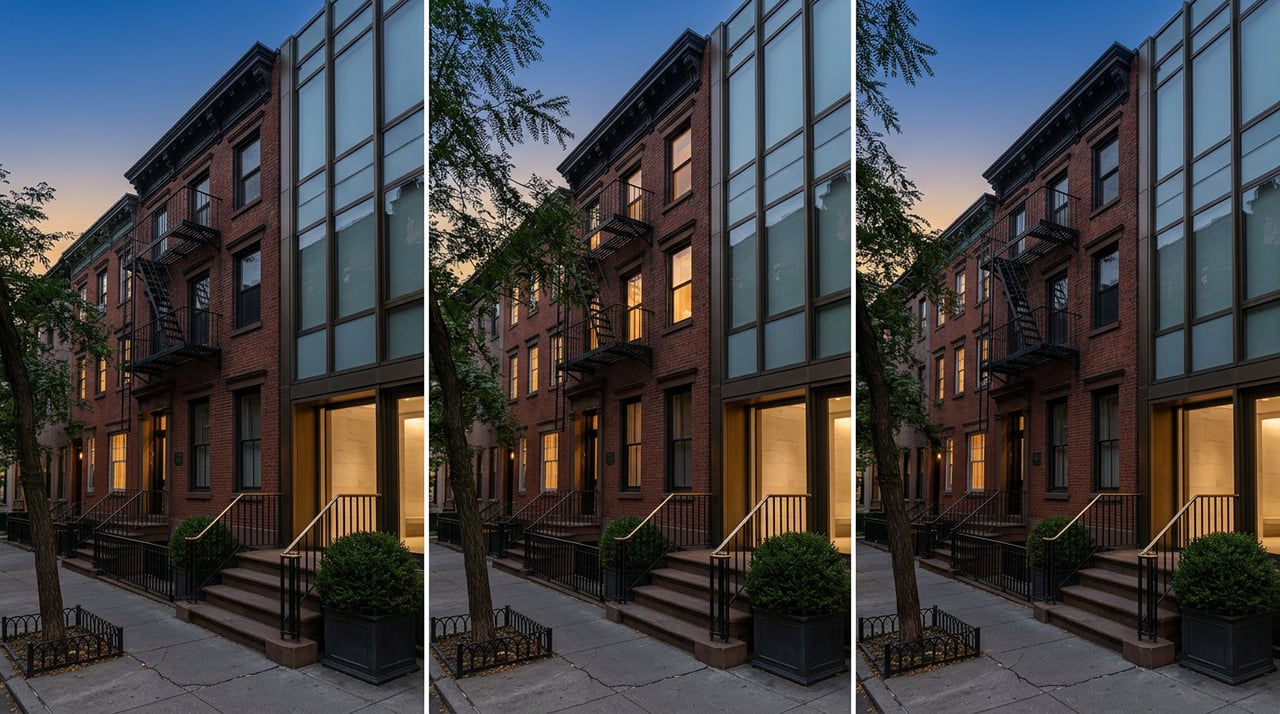
This is also why marketing has to be visually precise. Exterior images, renovation language, and feature descriptions should reflect the property accurately and should not imply changes that were never approved. Careful storytelling builds trust and keeps the process clean.
What a discreet sale actually means
A discreet sale does not always mean fully off-market. In many cases, it means a staged rollout that begins with limited exposure, controlled outreach, and careful feedback before any broader release. That approach can preserve privacy while still giving you access to serious buyers.
For a West Village townhouse, this strategy often works better than an immediate mass launch. The buyer pool is small, specialized, and often relationship-driven. A thoughtful first phase can help you test positioning without overexposing the property.
In practical terms, a discreet launch may include:
- A calibrated asking price based on the house itself rather than broad neighborhood averages
- A polished marketing package with photography, floor plans, and architecture-led copy
- Outreach to a narrow list of trusted brokers and pre-screened buyers
- Controlled collection of early feedback before wider distribution
- Private showings designed to reduce casual traffic
That structure supports both privacy and pricing discipline. It also gives you room to refine the strategy if the first round reveals new information about buyer response.
Price the townhouse, not the ZIP code
One of the biggest mistakes in townhouse pricing is relying too heavily on general neighborhood numbers. In West Village, broad median pricing does not tell the full story for a townhouse asset. The more useful framework is to evaluate the specific house on its own merits.
That usually means looking closely at factors like:
- Condition and renovation quality
- Building width and scale
- Lot depth and outdoor space
- Architectural details and provenance
- Legal use and documentation
- Historic district context and compliance history
When direct comparable sales are limited, pricing becomes part analysis and part positioning. If your home has exceptional scale, strong design, or a well-documented renovation, those qualities can support a more confident launch. If the file is incomplete or the condition story is mixed, pricing may need to leave room for buyer diligence.
Use feature-led marketing, not mass marketing
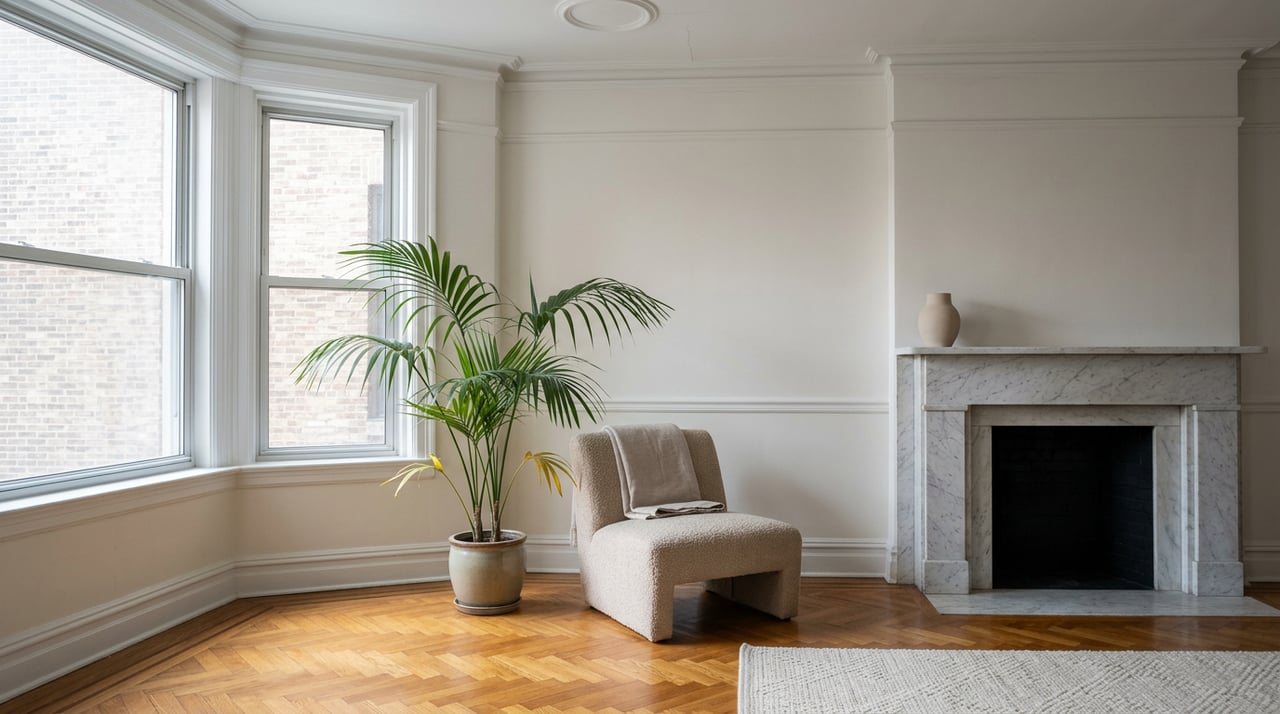
In a design-sensitive townhouse sale, marketing works best when it feels curated rather than crowded. High-quality photography, clear floor plans, and a strong sequence of rooms can tell the story better than broad exposure ever could. The goal is not to create noise. It is to create conviction.
For West Village townhouses, the most effective materials usually focus on architecture, scale, craftsmanship, provenance, and approved improvements. This is especially important in a landmark context, where buyers are often looking for precision as much as beauty. Every image and line of copy should reinforce quality and credibility.
A strong discreet campaign often includes:
- Gallery-quality photography
- Clean, accurate floor plans
- Copy centered on architectural features and layout
- A visually coherent property dossier or brochure
- Thoughtful exterior imagery that reflects the home's true condition
This type of presentation aligns naturally with a privacy-first strategy. Instead of trying to capture everyone, it helps the right buyer understand why the house matters.
Reach the right buyers quietly
A privacy-focused launch still needs reach. The difference is that the outreach is curated. For a West Village townhouse, the likely buyer pool may include owner-occupiers seeking privacy, design-sensitive domestic buyers, and international or collector-level clients already active in luxury networks.
That is where selective distribution matters. Christie’s International Real Estate describes its network as serving discerning clientele and notes a presence across about 140 affiliates in 46 countries. For a rare Manhattan townhouse, that type of channel supports a more tailored introduction strategy than broad public promotion.
Instead of relying on mass visibility, a curated approach may focus on:
- A small circle of well-qualified brokers
- Pre-screened buyers in the right price band
- Collector and international luxury networks
- Bespoke materials designed for one-to-one sharing
This can be especially effective when the property's appeal depends on design, entertaining scale, or provenance. In those cases, the right presentation in the right hands can outperform a louder campaign.
Keep showings controlled and compliant
Private showings are often a natural fit for townhouse sales at this level. They can reduce disruption, limit unnecessary foot traffic, and create a more composed experience for qualified buyers. They also help protect the home when privacy is a priority.
That said, selectivity must stay focused on the property and the transaction, not on personal characteristics. New York City fair housing guidance makes clear that advertising should avoid discriminatory language and should stick to property features. Outreach and screening should be based on asset fit, timing, and financial readiness.
A cleaner showing process often includes:
- Pre-qualifying buyer interest and readiness
- Scheduling by appointment only
- Limiting access to serious prospects and their representatives
- Using marketing language centered on the home's features
This protects your time while keeping the process lawful and professional.
Organize disclosures before launch
Confidentiality does not remove the need for diligence. In fact, a discreet sale usually works best when the paperwork is prepared early. If the right buyer appears quickly, you do not want the process slowed by missing documents or unresolved questions.
Beginning July 1, 2025, the New York Department of State requires a Property Condition Disclosure Statement for residential real property improved by a one- to four-family dwelling, excluding condominium units and cooperative apartments. The form covers topics such as title claims, easements, shared features, certificates of occupancy, floodplain status, flood insurance, prior flood assistance, asbestos, lead plumbing, mold, structural defects, water penetration, and related systems.
If a seller later learns new information that makes the statement materially inaccurate, a revised form must be delivered before title transfer or occupancy, whichever comes first. For a townhouse seller, that makes advance preparation especially important. A discreet campaign may be quiet, but the file behind it should be complete.
Before launch, it helps to organize:
- Permit and alteration history
- LPC-related records, if applicable
- Certificate of occupancy information
- Known title or easement issues
- Flood and water-related history
- Known building condition concerns
This kind of preparation strengthens buyer confidence. It also reduces the risk that privacy turns into delay.
Why design-led execution matters
A West Village townhouse is often purchased emotionally first and analytically second. Buyers respond to scale, light, flow, and detail, but they also look for proof that the home has been responsibly maintained and represented. That combination makes design-led execution especially valuable.
When a campaign is artful but disciplined, it can elevate the property without overselling it. That is the balance you want in a discreet launch. The marketing should feel refined, the showing process should feel intentional, and the transaction materials should feel ready.
For sellers in this market, discretion is not about hiding the asset. It is about introducing it with care, accuracy, and enough selectivity to protect value.
If you are considering a private or staged sale for a West Village townhouse, a tailored strategy can make a meaningful difference. For confidential guidance on pricing, presentation, and qualified buyer outreach, schedule a private consultation with Filippa Edberg-Manuel.
FAQs
What does discreetly selling a West Village townhouse mean?
- It usually means limiting early exposure through a staged rollout, private outreach, and controlled showings rather than starting with a broad public launch.
How should you price a West Village townhouse for a private sale?
- Pricing should be based on the specific house, including condition, width, lot depth, architectural quality, legal use, and documentation, not just neighborhood-wide median prices.
Do landmark rules affect a West Village townhouse sale?
- Yes. Many West Village townhouses sit within historic district boundaries, and the Landmarks Preservation Commission may require approval for exterior work and other changes that affect designated buildings.
What disclosures are required when selling a New York townhouse?
- Beginning July 1, 2025, New York requires a Property Condition Disclosure Statement for residential one- to four-family properties, with certain exclusions such as condos and co-ops.
Can a private townhouse sale still reach international buyers?
- Yes. A curated campaign can reach qualified domestic and international buyers through selective broker outreach and luxury networks without relying on mass marketing.
How can you keep townhouse showings private and compliant?
- Use appointment-only showings, pre-screen for financial readiness and asset fit, and keep all marketing and communication focused on the property's features.