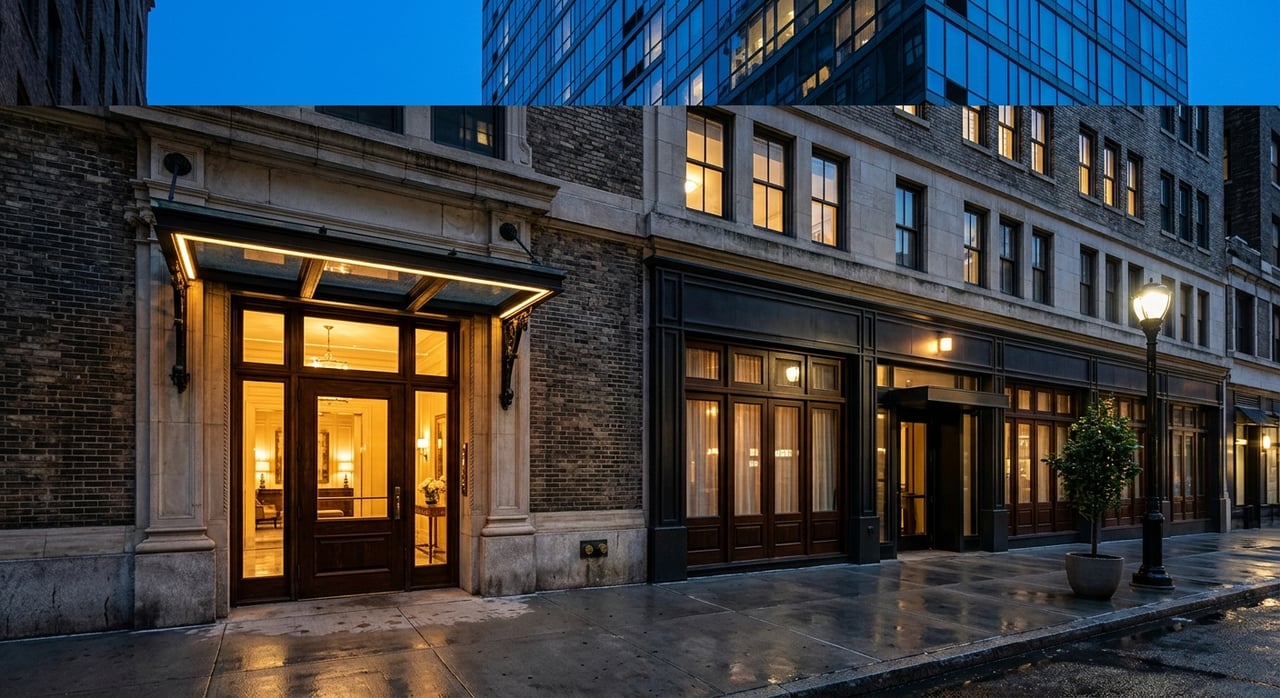
If you are considering life on Manhattan’s west side, Hell’s Kitchen offers something many buyers want but few neighborhoods balance as well: real residential convenience paired with a rich dining and cultural scene. You may know it for Broadway energy, but the neighborhood also supports everyday routines, waterfront downtime, and easy nights out close to home. For residents, that mix can make daily life feel both practical and deeply enjoyable. Let’s take a closer look.
Hell’s Kitchen as a Home Base
Hell’s Kitchen sits within Manhattan Community District 4, an area that extends from 14th to 59th Streets and west to the Hudson River, according to NYC Community Board 4. In the city’s planning framework, the Clinton area is intended to preserve residential character while maintaining small-scale stores and activities and creating a transition to the Theater Subdistrict and Hudson Yards, as outlined in the NYC Zoning Resolution.
For you as a resident or buyer, that matters. It helps explain why Hell’s Kitchen can feel more layered than its headline reputation suggests. You can enjoy immediate access to theater, restaurants, and the waterfront while still living in a neighborhood the city explicitly recognizes as residential in character.
Dining in Hell’s Kitchen
Restaurant Row sets the tone
The best-known dining corridor is Restaurant Row on West 46th Street between Eighth and Ninth Avenues. The Times Square Alliance describes it as a destination for both pre- and post-theater dining, with Italian, French, Japanese, and New Orleans options on the same block, along with long-established names like Barbetta and Joe Allen.
For residents, Restaurant Row is useful beyond special occasions. It gives you a reliable cluster of options when you want dinner close to home, a quick meal before a show, or a lively place to meet friends without planning far in advance.
Variety goes beyond one block
The dining story in Hell’s Kitchen is broader than a single restaurant strip. Current NYC Tourism business listings include places such as Sullivan Street Bakery, West Bank Cafe, Tradisyon, and Rancho Tequileria, reflecting the neighborhood’s mix of bakeries, cafes, and full-service restaurants.
That variety is part of what makes the area feel livable. You are not limited to one kind of evening out. In a compact footprint, you can move from coffee or baked goods to a casual dinner, then on to drinks, theater, or a walk toward the river.
Why the dining scene works for residents
For many Manhattan buyers, convenience matters as much as selection. Hell’s Kitchen stands out because dining is woven into day-to-day life rather than set apart as a destination activity.
That means your week can look different from your weekend without leaving the neighborhood. A simple midweek dinner can happen on the same streets that support pre-theater energy, and a relaxed Saturday can start at a bakery and end with a waterfront sunset.
Culture close to home
Theater remains a major draw
Hell’s Kitchen has immediate access to some of the west side’s strongest performing arts anchors. Signature Theatre is located at 480 West 42nd Street in the Frank Gehry-designed Pershing Square Signature Center, a 72,000-square-foot complex with three theaters. Theatre Row and nearby performance venues reinforce the neighborhood’s close relationship to live theater.
If you value access to the arts, that proximity can shape how you use the neighborhood. Instead of treating theater as a cross-town event, you can make it part of an ordinary evening, with dinner and a short walk or simple transit connection built into the same plan.
Irish Arts Center adds local identity
Not all of Hell’s Kitchen’s cultural life is tied to Broadway. The Irish Arts Center, founded in 1972, serves as a home for artists and audiences interested in contemporary Ireland and Irish America, while also offering community education and access programs.
For residents, that gives the neighborhood another dimension. It adds a locally rooted cultural institution that feels distinct from Midtown’s larger entertainment ecosystem and contributes to a stronger sense of place.
Museums and waterfront programming expand the mix
The Intrepid Museum sits on Pier 86 at West 46th Street and 12th Avenue, about a 15-minute walk from the heart of Hell’s Kitchen, Restaurant Row, Broadway’s Best, and Times Square. That location makes it easy to combine a museum visit with dinner or a riverfront walk.
Hudson River Park adds another cultural layer. In 2025, the park hosted Broadway by the Boardwalk, a free waterfront performance series in Clinton Cove that linked Hell’s Kitchen’s theater community with outdoor live music.
Together, these venues create a neighborhood rhythm that is broader than nightlife alone. You have access to performance, visual interest, public programming, and the riverfront in a relatively compact area.
Waterfront living in daily routine
Hudson River Park changes the feel
One of Hell’s Kitchen’s strongest lifestyle advantages is its relationship to the Hudson. Hudson River Park runs four miles along Manhattan’s west side and attracts more than 17 million visits each year. In the Clinton section, Clinton Cove offers lawn space, sunset views, kayaking, and picnic areas, while Pier 84 includes a large lawn, dog run, interactive fountain, bike rental, and year-round River Project programming.
For you as a resident, that means the waterfront is not only scenic. It can become part of ordinary life, whether you want a place to walk, sit outside, meet friends, or reset after the workday.
The neighborhood supports a full day
What sets Hell’s Kitchen apart is how easily its pieces connect. You can start with coffee, spend time by the river, meet someone for dinner, and head to a performance, all without needing to cross Manhattan.
That kind of efficiency matters in a city where time and ease often shape where people choose to live. In Hell’s Kitchen, the mix of dining, culture, and open space works in a way that feels unusually integrated.
Getting around with ease
Transit supports the neighborhood’s appeal. Signature Theatre and the Intrepid Museum both highlight nearby access to the A, C, E, and 7 trains, along with crosstown M42 and M50 bus service on the 42nd Street corridor, as noted on the Signature Theatre visitor page.
For residents, strong connections can make the neighborhood feel even more practical. You are well positioned to move between home, Midtown, the theater district, and the waterfront without a complicated commute.
What this means for buyers
If you are exploring condos, co-ops, or condops on the west side, Hell’s Kitchen offers a compelling blend of daily convenience and cultural access. The neighborhood supports quick meals, established dining destinations, major performance venues, local arts institutions, and meaningful waterfront amenities within a walkable footprint.
That combination can be especially attractive if you want a Manhattan home that feels connected and usable every day, not only impressive on paper. For a buyer focused on lifestyle as much as location, Hell’s Kitchen presents a distinct and well-rounded residential experience.
If you are considering a purchase in Manhattan and want a discreet, informed perspective on west-side living, Filippa Edberg-Manuel offers private guidance shaped by deep market knowledge and a tailored advisory approach.
FAQs
Is Hell’s Kitchen a good neighborhood for dining variety?
- Yes. Restaurant Row is a recognized dining corridor, and the neighborhood also includes bakeries, cafes, and full-service restaurants beyond that main strip.
Does Hell’s Kitchen feel residential or entertainment-focused?
- It offers both. NYC planning guidance states that the area is intended to preserve residential character while maintaining a small-scale mix of stores and activities near major entertainment districts.
Can Hell’s Kitchen residents use the waterfront regularly?
- Yes. Hudson River Park’s Clinton Cove and Pier 84 include lawns, walking areas, kayaking, picnic space, dog-friendly amenities, and seasonal programming that support everyday use.
What cultural venues are near Hell’s Kitchen homes?
- Residents have access to Signature Theatre, Theatre Row, Irish Arts Center, the Intrepid Museum, and outdoor programming in Hudson River Park.
Is Hell’s Kitchen convenient for getting around Manhattan?
- Yes. The neighborhood has access to the A, C, E, and 7 trains, along with crosstown bus service that supports movement between the west side, Midtown, and the theater district.