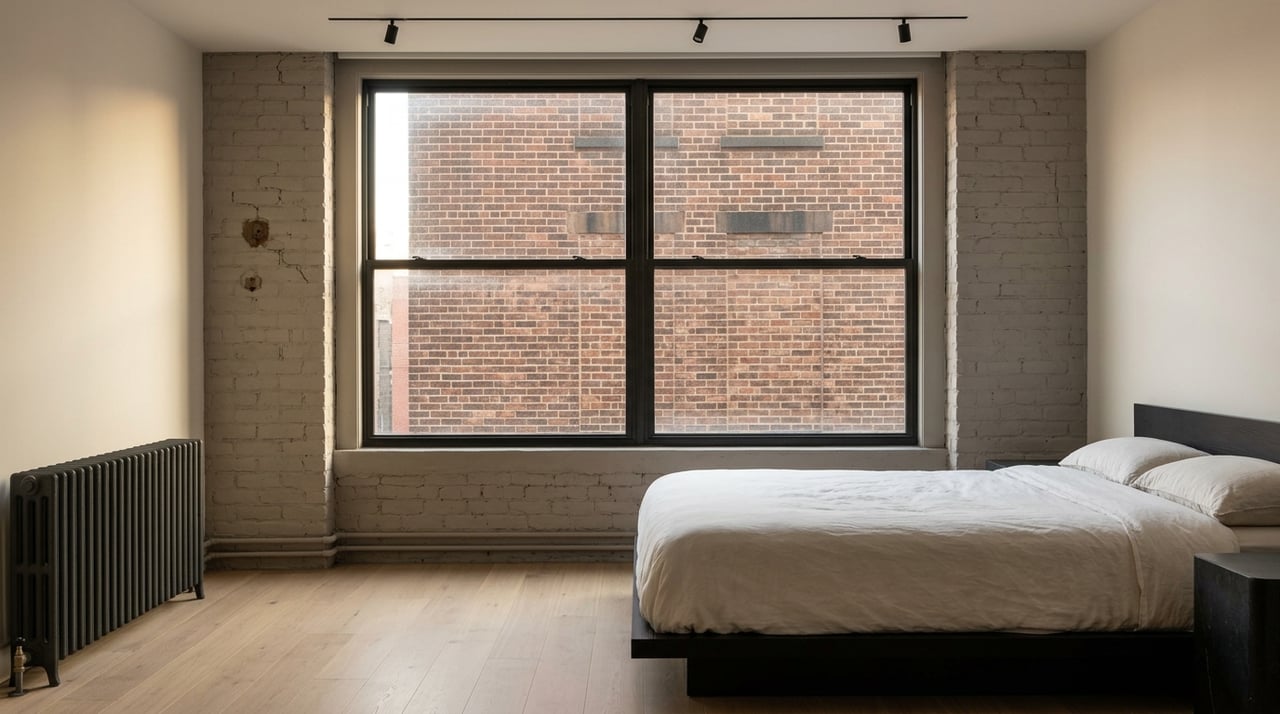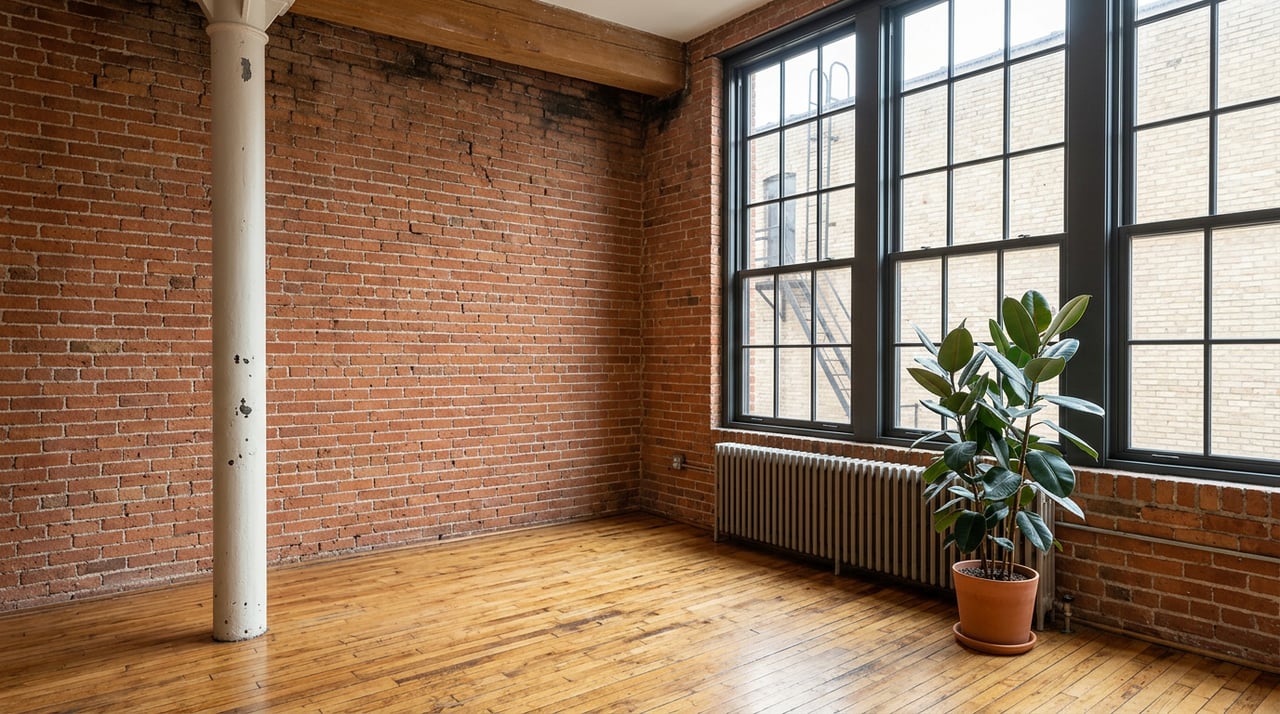
You love the scale, light and character that only a NoHo loft delivers. Yet the very features that make these homes unique often come with legal, historic and construction layers that can surprise even seasoned buyers. If you want the look without the headaches, you need an investor‑grade approach to due diligence. This guide gives you a clear checklist, the right sequence, and the city resources to verify each step. Let’s dive in.
Why NoHo lofts need extra diligence
NoHo’s buildings were largely built for industry. Many were later converted to residential use over the last few decades. That history explains why you see expansive floor plates, tall ceilings and cast‑iron facades. It also explains why some units still carry unusual legal or construction conditions.
Planning and zoning changes can also affect outlook and privacy. The SoHo/NoHo neighborhood planning documents describe the area’s mixed‑use character and the potential for future development that could impact light and views. Review the SoHo/NoHo planning FEIS when a view or light is part of your value story.
Landmarks affect design and timing
Much of NoHo sits within a Landmarks Preservation Commission district. Exterior work like window replacements, rooftop additions and some facade updates can require LPC approval. Those approvals add time and cost, and they shape what is possible. If you plan to renovate, check the building’s status and look at any past approvals in the NoHo Historic District designation report.
Confirm legal status and the Loft Law
Not every “loft” is legally the same. New York’s Multiple Dwelling Law Article 7‑C, known as the Loft Law, created a path for certain former commercial buildings to become lawful, rent‑regulated residences called Interim Multiple Dwellings. The NYC Loft Board oversees coverage, registration and legalization timelines. You want to know if a building or unit is covered, and if so, whether legalization is complete.
Use the NYC Loft Board’s overview of the Loft Law and rules to understand owner obligations and tenant protections. If a property is still in the legalization process, review the legalization plan or Narrative Statement and the schedule in the Loft Board’s legalization chart. Open legalization can mean ongoing construction, assessments and timing risk.
Pre‑offer quick scans you can run
Do these online lookups before you negotiate price:
- Verify ownership and recorded documents on ACRIS for the building and unit. Look for deeds, mortgages, liens and easements.
- Confirm a valid residential Certificate of Occupancy and review open permits or violations on the Department of Buildings’ Certificate of Occupancy guide. A missing or non‑residential CO is a major red flag.
- Check Loft Board coverage and whether any legalization deadlines are open using the Loft Law rules page.
- Scan HPD and 311 complaint history, plus facade inspection status. Repeated heat, water, or pest issues and unsafe facade filings can signal future costs.
- Confirm if the building is in a historic district and note any rooftop or facade work that would need LPC approval using the NoHo designation report.
If any scan reveals a serious issue, factor it into your offer or pause the deal.
Title, DOB and regulatory checks to run
Once the building passes the quick scan, go deeper with your attorney and inspector:
- ACRIS chain of title. Review deeds, mortgages, UCC filings, recorded leases and easements. Confirm the exact owner of record and instrument history. For co‑ops, remember shares and a proprietary lease are transferred, not a deed.
- Certificate of Occupancy and use. Match the CO to actual use and your intended plan. A missing or non‑residential CO for a dwelling unit is a stop sign.
- Violations and penalties. Look for open DOB or Environmental Control Board issues, open permits without sign‑off, and facade or elevator items that could block closings or new permits.
- Historic filings. If landmarked, request any Certificates of Appropriateness and note conditions that affect design and cost.
- Benefits and regulations. Ask your attorney to confirm whether any tax abatements like J‑51 apply and whether they affect registration or rent obligations.
Inspections you should order
Older loft buildings reward careful technical review. Bring in the right specialists early.
Structural and systems
- Hire a general home inspector with prewar and loft experience to flag roof, parapet, masonry, windows, floors, electrical and signs of water.
- Engage a licensed structural engineer if you see movement, prior heavy renovations or plan alterations like a mezzanine or new openings. The engineer will confirm load paths and feasibility before you design.
- Ask MEP specialists to evaluate electrical service capacity, panel condition, permitted upgrades, plumbing stacks, leak history, and HVAC type and options. Have them outline cost and time to reach modern performance.
Environmental health
- Order XRF lead testing for pre‑1978 buildings or when compliant testing is unavailable. See HPD’s overview of Local Law 31 requirements on lead‑based paint in housing.
- For renovations, commission an asbestos survey. Many prewar lofts contain asbestos in pipe insulation, tiles or mastics. The EPA explains safe inspection and abatement basics for asbestos in residential work.
Facade, moisture and noise
- For buildings over six stories, review the latest facade filing status and any required work under the city’s Facade Inspection and Safety Program. Large facade projects often mean assessments. Learn the filing cycles on the DOB’s FISP overview.
- Ask a moisture and mold specialist to probe lower levels and any prior leak areas. If relevant, add a wood‑destroying insect report.
- Visit at different times to assess light and noise. If sound isolation is key, request field tests or speak with an acoustical engineer.
Building documents to review
Your attorney should obtain and analyze the full building and unit file:
- Condos: offering plan and amendments, current budget, reserve schedule, pending assessments, litigation and recent board minutes.
- Co‑ops: proprietary lease, bylaws, financial statements and tax returns, sublet and renovation rules, flip tax, board interview and approval standards, and a summary of minutes.
For common protections and timelines, see this practical NYC contract review guide.
Contract protections and a smart timeline
Lock in protections that reflect the building’s reality and your goals.
- Attorney review. Negotiate a clear review period and access for inspections.
- Inspection and audit contingency. Allow about 7 to 21 days for engineering, MEP and environmental sweeps once the contract is signed.
- Title and survey review. For condos, engage a title company. For co‑ops, your attorney will review the proprietary lease and building financials.
- Board approval contingency. Co‑op timelines can run 4 to 12 weeks. Condos often close in 30 to 60 days after mortgage and title are ready.
- Credits or escrows. If you find open violations, facade work, or incomplete Loft Law items, negotiate a seller credit or escrow tied to resolution milestones.
Red flags that should pause a deal
Move forward only if you can solve or price these risks:
- No CO or a CO that lists a non‑residential use for the unit.
- Active, serious DOB or HPD violations related to life‑safety or structure, or unpaid civil penalties that can become liens.
- Loft Board coverage with major unfinished legalization work and no financing or schedule.
- Large, imminent facade repairs or a recent unsafe facade status without corrective plans under FISP.
- Evidence of unpermitted structural changes like removed columns or cut beams without engineer sign‑off.
- Significant lead or asbestos findings without clear, documented remediation plans.
Quick checklist you can save
Use this as a working list with your attorney and design team.
Pre‑offer scans
- ACRIS title search for deeds, liens and easements.
- DOB profile for CO, open permits and violations.
- Loft Board coverage and legalization status.
- HPD and 311 complaint history and facade filing status.
- Historic district status and prior LPC approvals.
After signing
- Full structural engineer report and MEP capacity review.
- General home inspection with a loft‑savvy inspector.
- XRF lead testing and an asbestos survey if pre‑1978.
- Request and review: CO, offering plan or proprietary lease, bylaws, minutes, financials, insurance, FISP reports, Loft Board filings, and certificates of correction for violations.
Negotiation and closing
- Escrow or credit for open violations, facade or roof work, or incomplete legalization tasks.
- Realistic timing for co‑op board approval or condo closing.
- Final walk‑through focused on systems, leak points and any agreed repairs.
Buying a NoHo loft should feel as good on paper as it looks in person. If you want discreet, end‑to‑end guidance with the right legal and design partners at the table, schedule a private conversation with Filippa Edberg‑Manuel.
FAQs
What is the Loft Law and why does it matter in NoHo?
- The Loft Law governs how certain former commercial buildings become legal residential dwellings called Interim Multiple Dwellings; check the Loft Board’s rules to confirm coverage and whether legalization is complete.
How do I confirm a NoHo loft has a valid CO?
- Use the Department of Buildings’ Certificate of Occupancy guide to locate the CO and match listed uses to the unit; a missing or non‑residential CO is a major risk.
Which inspections are most important for prewar NoHo lofts?
- Prioritize a structural engineer review, a general home inspection, MEP evaluations for electrical, plumbing and HVAC, plus lead testing and an asbestos survey if the building predates 1978.
How do landmark rules affect my renovation plans?
- If the building is in a historic district, exterior work like windows or rooftop changes may need LPC approval; review the NoHo designation report and plan extra time and cost.
What facade issues should I look for in NoHo?
- For buildings over six stories, confirm recent facade filings and any required repairs under the city’s facade program; see the DOB’s FISP overview and ask for the latest reports and invoices.