Do you see architecture as daily inspiration, not just a backdrop? If you are drawn to light-filled rooms, sculptural windows, and streets that feel like an open-air gallery, SoHo belongs on your shortlist. It offers a rare blend of historic substance and contemporary design culture that speaks to collectors and creatives. In this guide, you will learn how SoHo’s cast-iron heritage shapes loft living, where the design ecosystem thrives, what tradeoffs to expect, and the practical points to consider before you buy. Let’s dive in.
SoHo’s cast-iron DNA
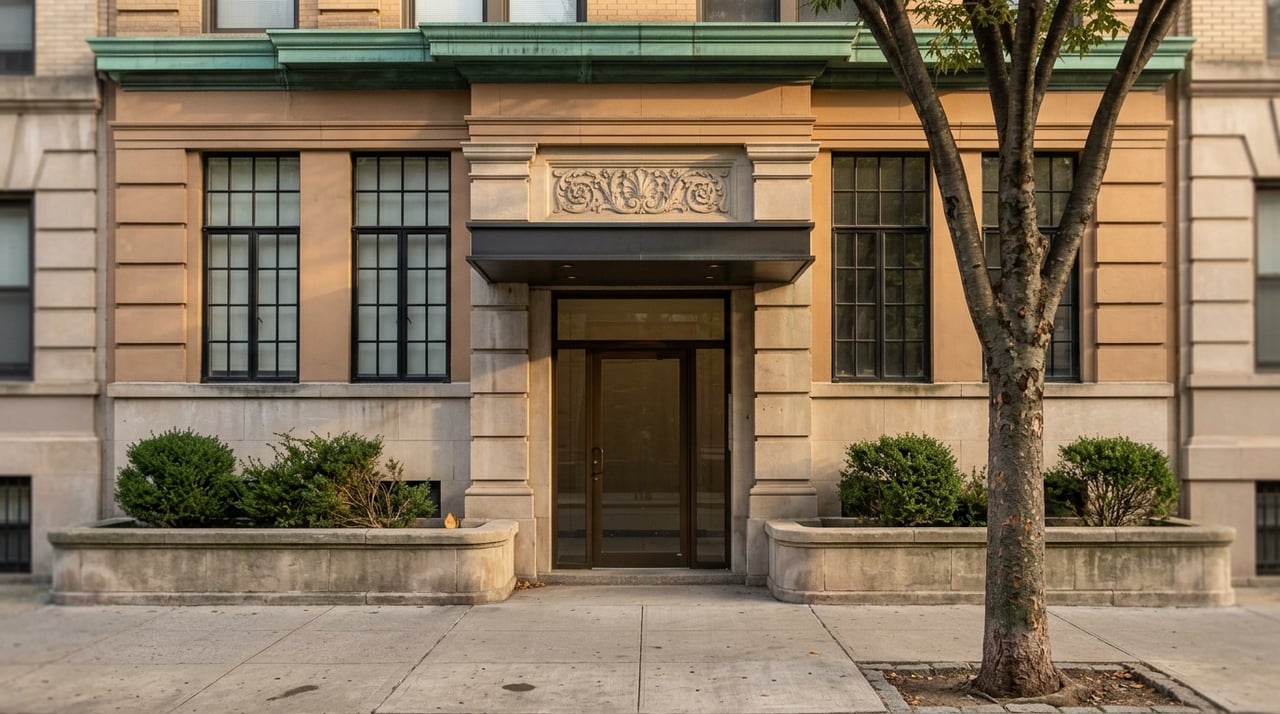
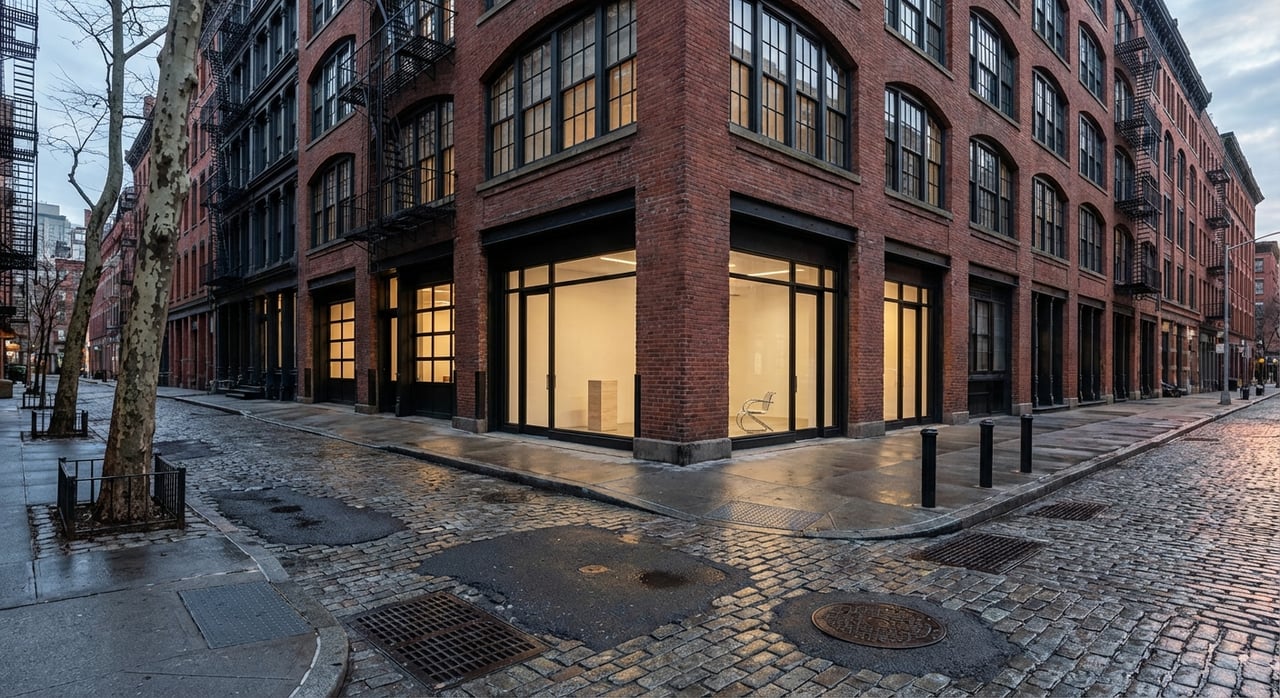
SoHo is globally known for its cast-iron buildings and preserved streetscapes. The neighborhood presents an elegant rhythm of tall windows, slender columns, and prefabricated iron façades that once framed factories and warehouses. These details still define the area’s visual identity and the way interiors live today. For a simple primer on the style and why it matters, see this overview of cast-iron architecture and its hallmark features.
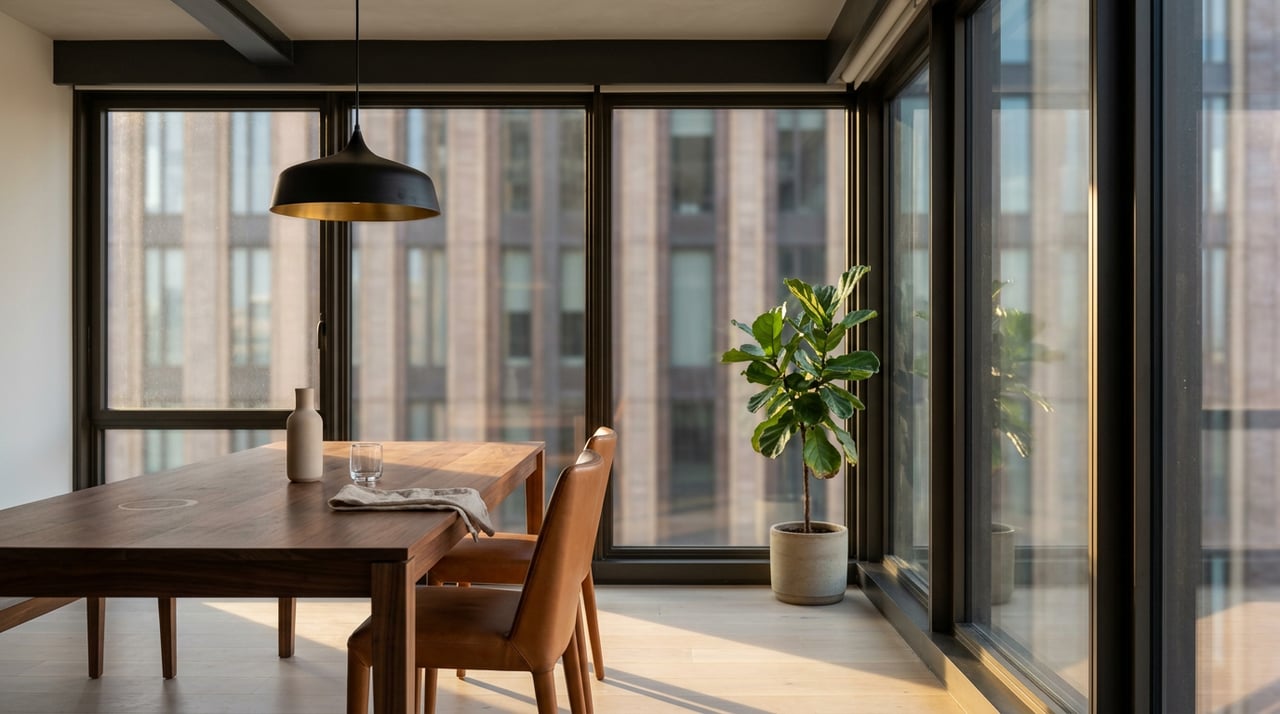
Inside, many lofts offer high ceilings, oversized glazing, and open floor plates that welcome large-format art, statement lighting, and flexible furniture plans. Daylight is a signature asset. You will also find Belgian-block side streets and historic window profiles that create a calm backdrop for contemporary interiors.
Boundaries and scale at a glance
SoHo stands for “South of Houston.” It sits just below Houston Street and runs toward Canal Street, with Broadway and West Broadway at its heart and roughly Lafayette and Crosby to the east. The footprint is compact and walkable, with most daily needs and cultural stops within minutes. For a concise neighborhood snapshot, review this SoHo definition and boundaries overview.
Landmark protections you should know
SoHo is protected as the SoHo–Cast Iron Historic District, first designated in 1973 and later extended. The designation covers roughly 26 blocks with hundreds of contributing buildings. Landmark status shapes what can change on façades, storefronts, and even some visible fixtures, which protects character and can affect renovation timelines. To understand the scope and purpose of the district, consult the Landmarks Preservation Commission designation report.
From artists to design showrooms
SoHo’s modern identity began when artists reclaimed vacant manufacturing lofts in the 1960s and 1970s for live-work use. That movement helped save buildings from demolition and laid the groundwork for legal recognition of loft living. The story is well captured in this neighborhood history of artists occupying and preserving SoHo lofts. Scholars have also traced how that creative wave evolved into a broader cultural economy and retail scene. For a deeper lens on the shift from artist spaces to market-driven districts, see this analysis of urban change by Zukin and others in this academic overview.
Over time, many blue-chip galleries moved to Chelsea to secure larger, purpose-built spaces. Today, SoHo blends smaller galleries with high design retail and furniture or lighting showrooms. The result is a real-world design lab at street level that residents enjoy daily.
Life in a loft: a day inside
Imagine morning light crossing 12-foot ceilings and original beams. You brew coffee, step into a quiet side street, and walk to a favorite bakery. Many residents make a ritual stop at Dominique Ansel Bakery (189 Spring St) for an early treat before the foot traffic builds. Client meetings happen at a local café or in a nearby showroom. Evenings might include a small gallery reception or dinner at a neighborhood brasserie like Balthazar.
The appeal is simple. You live with generous proportions and material texture at home, then step outside to a curated streetscape of displays, windows, and installations that refresh your eye every day.
Showrooms, boutiques, and galleries
Design showrooms cluster on Mercer and Wooster Streets, with fashion flagships on Broadway, Prince, and Spring. Stores and studios act like live exhibits, rotating displays and installations throughout the year. For a current feel of the retail and design mix, scan this SoHo shopping and showroom guide.
May brings NYCxDESIGN and SoHo Design Day, when product launches and in-store activations expand onto sidewalks and into courtyards. It is one of the best weeks to preview lighting, furniture, and materials in person. For a citywide snapshot of the season, explore NYCxDESIGN highlights and must-see events.
Mobility and access
SoHo is well served by transit. Key subway stops include Prince Street, Spring Street, Broadway–Lafayette, and Canal Street. These stations connect you across Manhattan and into Brooklyn, which keeps client meetings and museum visits manageable. For a concise look at how these stations shaped the area and its recovery in recent years, see this local note on SoHo’s subway history and access.
Walking is the default. Most errands, design errands, and dining are a few blocks apart, which gives day-to-day life an easy rhythm.
Loft Law basics for buyers
Many SoHo homes started life as manufacturing lofts. Over the years, New York recognized and regulated the shift to residential use through the Loft Law, also known as Article 7-C of the Multiple Dwelling Law. The New York City Loft Board handles coverage and regularization. Amendments and expansions in the 2010s affected which buildings and units qualify.
For buyers, the key point is to distinguish an “artist-style loft” from a legally established residential loft. Do not assume a unit’s legal status without documentation. The law evolves and is actively interpreted, as seen in recent Loft Law cases and rulings. If questions arise about a specific unit, consult primary Loft Board records and your attorney for definitive guidance.
Renovation and preservation
Landmark status preserves SoHo’s look and feel, and it also guides change. Exterior work, storefront modifications, and certain visible elements will require review. Interior work is typically more flexible, but buildings vary. When you plan a renovation or a lighting upgrade that affects windows or façades, allow time for approvals. The designation report for the historic district outlines the intent and scope of protections.
The upside is lasting value. Consistent façades and protected streetscapes tend to support long-term desirability for both collectors and design-forward buyers.
Honest tradeoffs to weigh
- Foot traffic can be high, especially on weekends, which brings energy and some noise.
- Public green space within SoHo’s grid is limited compared with more residential districts.
- Landmark protections can add steps to exterior or window-related changes, though they also preserve character.
If you want a quieter residential feel and more pocket parks, nearby NoHo, Tribeca, or the West Village may fit better. If you want a design-first streetscape and walk-to-everything living, SoHo often wins.
Who SoHo fits best
You love the idea of a loft as a canvas for art and objects. You want height, light, and walls that welcome large works. You prefer a neighborhood where showrooms and galleries live downstairs. You see value in preserved architecture and a global design calendar on your doorstep. If that describes you, SoHo aligns with your lifestyle and collection.
Buying well in SoHo
A successful SoHo purchase balances aesthetics with due diligence. Here is a simple approach:
- Prioritize floorplate and light. Confirm ceiling height, window size, and wall lengths for art display.
- Verify building and unit status. Ask your attorney to review Loft Board records when relevant and any co-op or condo rules tied to landmark conditions.
- Anticipate approvals. If you plan to change lighting, windows, or exterior-adjacent elements, factor in timing for reviews.
- Consider micro-location. Side streets with Belgian blocks can feel calmer than Broadway, while Mercer and Wooster put you amid showrooms.
- Visit at different times. Experience weekday mornings and weekend afternoons to understand foot traffic and noise.
How we help
As a boutique advisory with a design-first perspective, we help you read SoHo through both an aesthetic and strategic lens. We focus on light, volume, and wall continuity, then pair that with building history and regulatory context. For private viewings, cross-border needs, or a curated search that respects your privacy, we operate with discretion and the reach of our Christie’s network. We work alongside your chosen legal and design teams to keep the process smooth and confidential.
When you are ready to discuss a SoHo search or valuation, connect with Filippa Edberg-Manuel for a private consultation.
FAQs
What defines SoHo’s architecture for homebuyers?
- Cast-iron façades, tall windows, and high-ceiling lofts that deliver abundant light and open, flexible interiors, as outlined in this cast-iron primer.
How do SoHo’s landmark rules affect renovations?
- Exterior and storefront changes typically require review, while interiors vary by building; see the historic district designation for context and plan timelines accordingly.
Which subway stations best serve SoHo residents?
- Prince Street, Spring Street, Broadway–Lafayette, and Canal Street provide strong Manhattan and Brooklyn access, supported by local transit history.
What is the Loft Law and why does it matter in SoHo?
- The Loft Law governs the conversion and legalization of former manufacturing lofts; status is unit-specific and evolving, as shown in recent cases, so have your attorney verify details.
How active is SoHo’s design scene today?
- The neighborhood blends boutiques, galleries, and furniture or lighting showrooms on streets like Mercer and Wooster, with seasonal energy during NYCxDESIGN events.
Where do locals gather for quick coffee or meetings in SoHo?
- Favorites include neighborhood cafés and Dominique Ansel Bakery on Spring Street, with brasseries nearby for lunch or dinner meetings.