What if your morning began on a tree‑lined block where the city feels almost hushed, and your evening ended with a sunset walk along the Hudson? If you are considering a home or pied‑à‑terre in the West Village, you are likely seeking more than square footage. You want privacy, charm, and culture within a few walkable blocks. In this guide, you will see what daily life looks like here, what “luxury” means in this neighborhood, and what to know about homes, ownership types, and preservation. Let’s dive in.
Morning rhythms on quiet streets
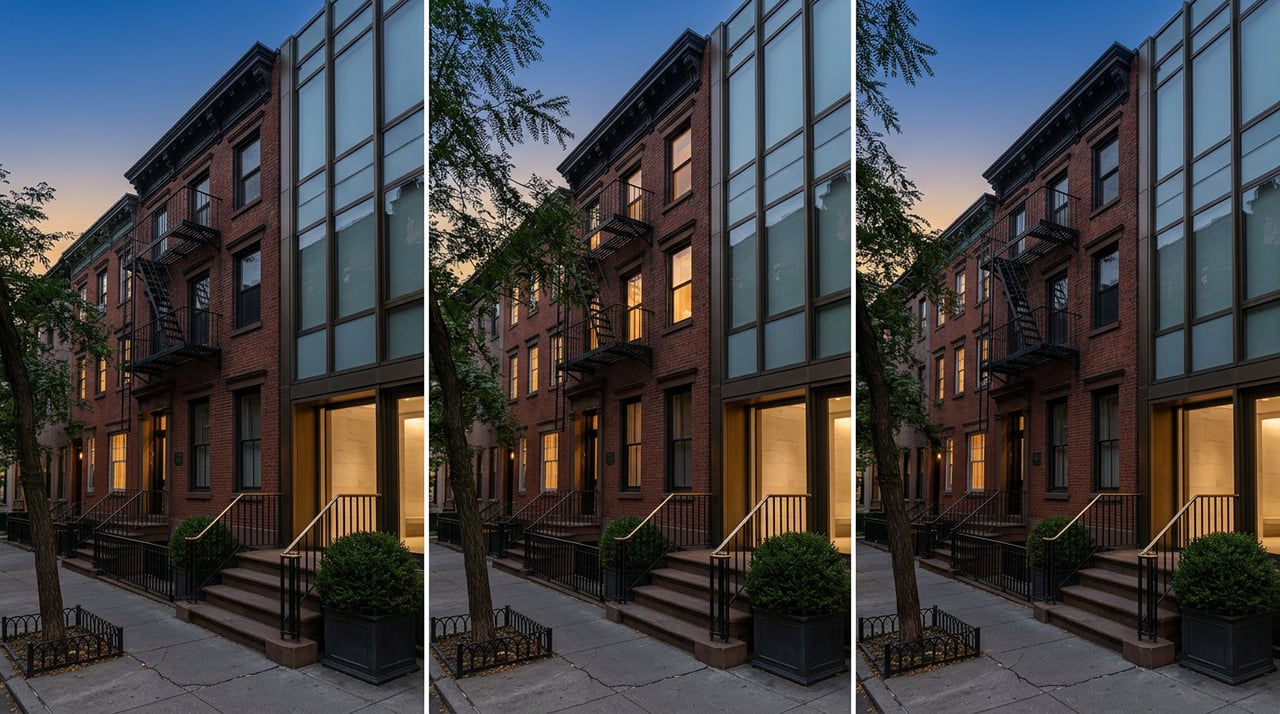
The West Village wakes up gently. Narrow streets curve away from the Midtown grid and create a calm, human‑scale setting for early rituals. You might stroll under mature trees, stop at a neighborhood café, or walk the dog past stoops and pocket gardens. The tone is refined and residential.
Most mornings feel local. Specialty food shops and small greenmarkets sit within a short walk on many blocks. Fitness is easy to fold in, from boutique yoga or Pilates to a jog along the waterfront. The neighborhood’s preserved scale means these routines unfold close to home.
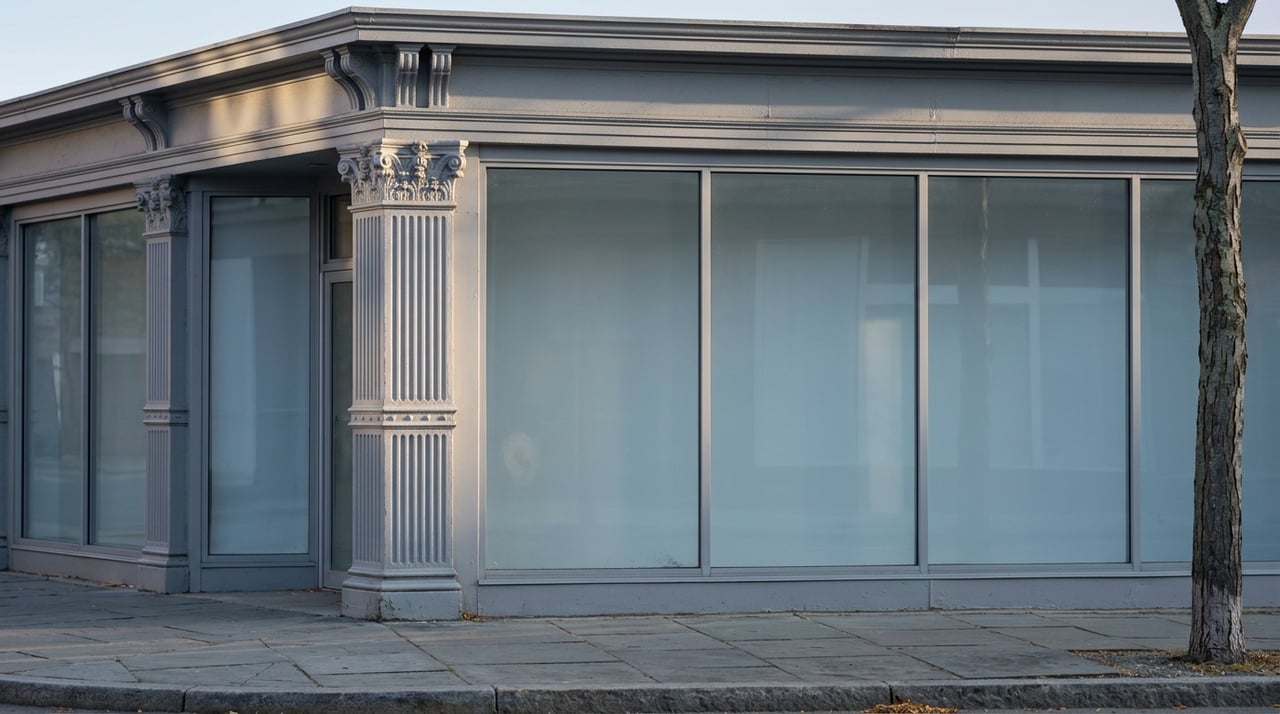
If you value historic detail and a village ambiance, you will notice it immediately. Much of the West Village sits within historic districts overseen by the NYC Landmarks Preservation Commission. That stewardship preserves façades, scale, and many original materials, which in turn preserves the quiet street experience residents prize.
Daytime ease within a short walk
The neighborhood’s daytime rhythm favors quality over volume. Boutiques, independent galleries, and curated shops line key streets like Bleecker and many side streets. You can treat errands as a walk, not a commute.
Parks and small plazas act like outdoor living rooms. Abingdon Square and Christopher Park offer benches, plantings, and space to pause, while nearby residential blocks stay calm through the day. For a change of scene, you can shift to the waterfront within minutes.
Hudson River Park access
The waterfront is a signature amenity. The piers and greenway of Hudson River Park provide space for running, cycling, dog walking, and informal meetings. Having water and greenery this close to home is a major quality‑of‑life upgrade, especially if you split time between cities and want immediate outdoor access when in New York.
Working from home, or close to it
Many residents blend remote work with in‑office meetings. Townhouses and boutique apartments often feature high ceilings and pre‑war details that feel polished on camera and in person. If you prefer a change of setting, you are a short ride from downtown offices and coworking options.
Evenings with culture and connection
Evenings are intimate rather than loud. You can choose from established neighborhood restaurants, refined bistros, and small wine bars. The arts scene leans toward jazz rooms, small theaters, and galleries. You can start with dinner, step into a show, then end with a late walk on the river, all within a compact radius.
The scale of the neighborhood keeps plans flexible. You rarely need to plan for travel time, which makes last‑minute invitations and spontaneous detours easy.
What luxury means here
In the West Village, luxury is as much about feeling and setting as it is about finishes. Key traits include:
- Privacy and discretion. Low unit counts, small lobbies, and townhomes set back from the street invite quiet arrival and departure.
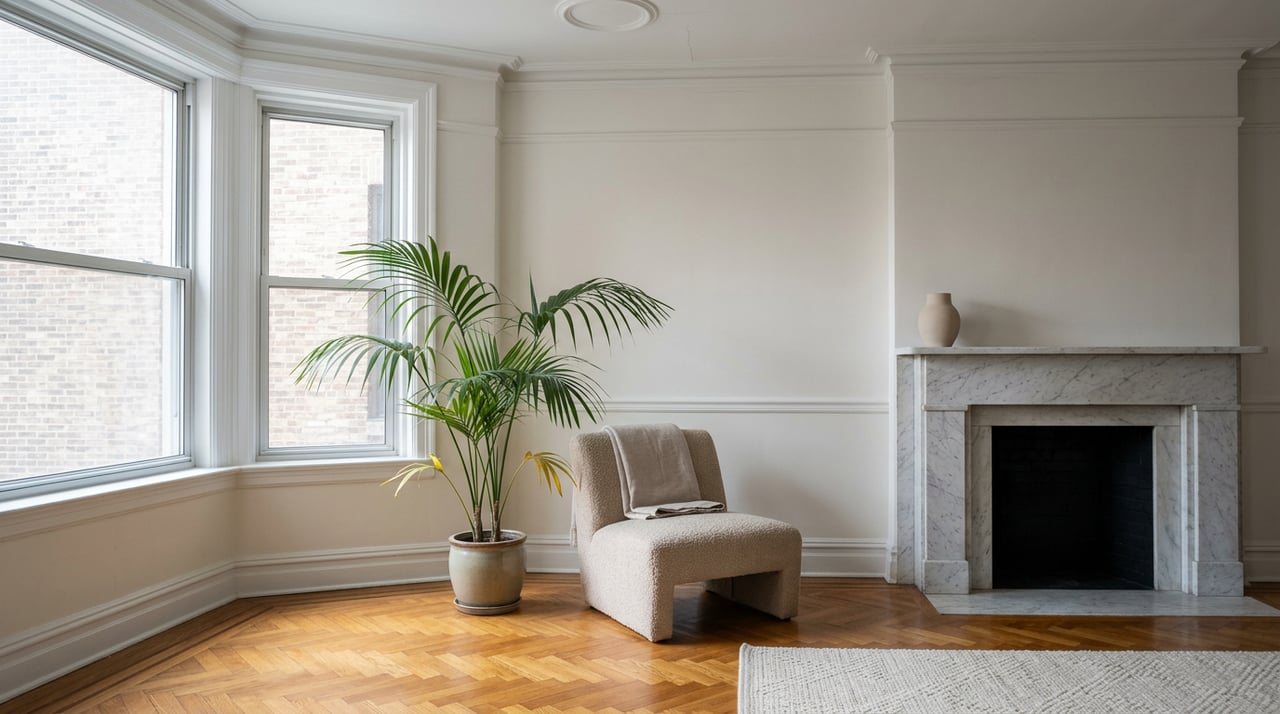
- Historic character. Original moldings, fireplaces, and period façades create a sense of provenance.
- Outdoor access. Private gardens, terraces, and immediate proximity to waterfront greenspace are highly prized.
- Walkable culture. Dining, galleries, and parks are a short stroll away, which changes how you use the city day to day.
Buyers often pay a premium for context and character. Large amenity packages matter less than the neighborhood’s scale, architecture, and sense of place.
Homes that define the West Village
The housing stock here is distinct. Rarity and preservation shape both what you will find and how these properties are valued.
Townhouses with gardens
West Village townhouses, whether single‑family or thoughtfully reconfigured, are coveted for privacy, outdoor space, and period detail. A well‑restored home with a garden, rooftop, or terrace is a scarce commodity, which supports values over time.
Boutique pre‑war co‑ops and condos
Many pre‑war buildings offer full‑floor or duplex layouts with high ceilings and original features. Co‑ops are common and tend to have small, discreet lobbies that fit the neighborhood’s tone. Select condominiums provide similar scale with more flexible ownership.
Thoughtful new condominiums
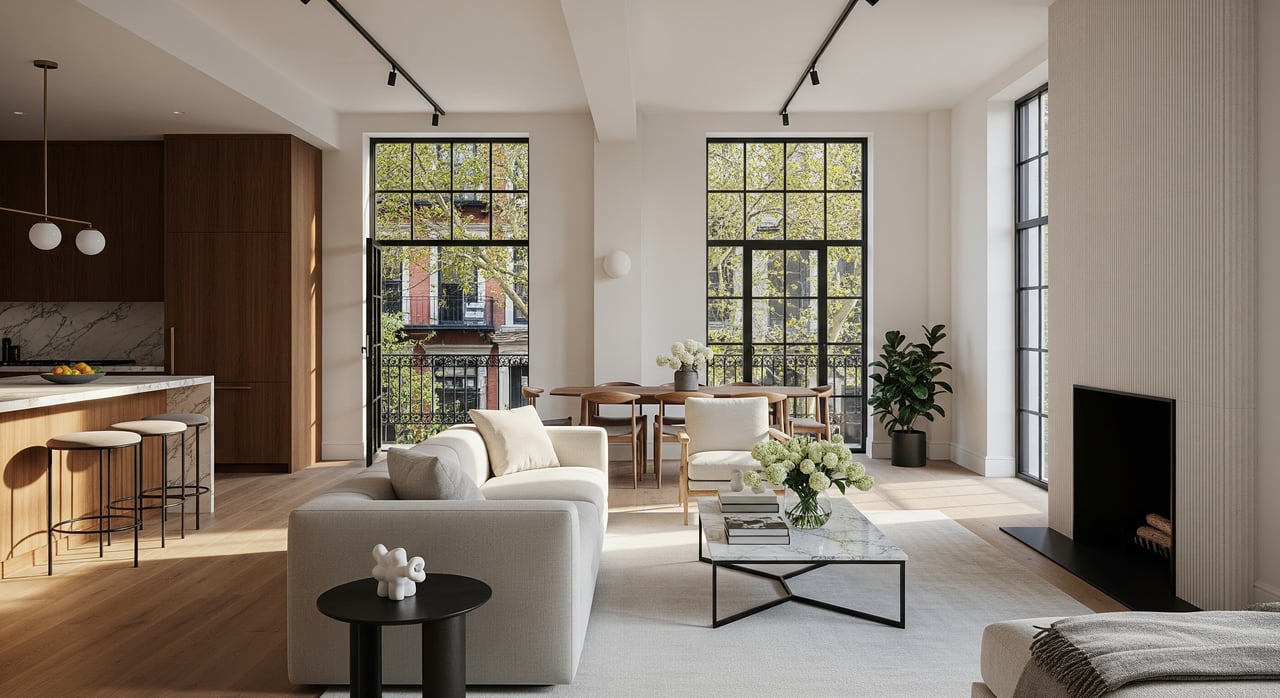
Because of preservation and zoning, most new or fully renovated luxury condominiums are boutique infill rather than towers. The best projects respect the streetscape while delivering contemporary interiors and services.
Preservation, zoning, and renovations
Large portions of the West Village lie within local and national historic districts. Exterior alterations and additions often require approvals from the NYC Landmarks Preservation Commission. These rules protect the neighborhood’s fabric and can influence timelines and design choices.
Zoning also favors low to mid‑rise buildings. For a deeper view of land use, consult the NYC Department of City Planning. If you plan to renovate a townhouse or combine units, budget time for approvals and consider engaging a preservation‑experienced architect early. The result is worth it. The enduring character that drew you here is the product of thoughtful regulation and stewardship.
Ownership choices, co‑ops and condos
Co‑ops prevail in many classic buildings. Boards typically require comprehensive financial documentation and interviews. Timelines can be precise, so plan accordingly. Condos and townhouses generally offer more flexibility for pied‑à‑terre use and subletting, though each building sets its own rules.
Practical steps to consider:
- Retain a seasoned real‑estate attorney familiar with co‑op bylaws and condo offering plans.
- If renovating, consult an architect experienced with landmarked exteriors and pre‑war systems.
- Work with a local broker who understands building cultures, board expectations, and street‑by‑street nuances.
If you like to study neighborhood context, the Manhattan Community District 2 profile provides a useful overview of local planning and community priorities.
Pied‑à‑terre insights
The West Village is a natural choice for a pied‑à‑terre. The scale, restaurants, and river access make short stays feel complete. Condominiums and townhouses often suit this use best, subject to building rules.
New York has discussed various tax proposals related to second homes at times. Policies can evolve. Before you purchase, ask a CPA or real‑estate attorney to review current city and state tax guidance, your personal residency plans, and any building‑specific rules.
Getting around with ease
The West Village is one of the city’s most walkable areas. Most daily needs, dining, and parks are within a short stroll. Bike‑share, car‑share, and rideshare are readily accessible for quick trips. For longer rides or commutes, multiple subway lines are close by on the neighborhood’s edges.
A major advantage is how easily you can reset your day outdoors. The piers, lawns, and greenway of Hudson River Park put fresh air and water a few minutes from your door. For local parks and facilities, the NYC Parks listings are a helpful reference.
Is the West Village right for you
If you value privacy, historic architecture, and a pace that still feels distinctly New York, the West Village may fit you well. Morning coffee on a quiet block, an afternoon walk by the river, and an intimate dinner in a neighborhood spot are not special occasions here. They are the rhythm of daily life.
When you are ready to explore options, a discreet, design‑sensitive advisor can help you focus on the right blocks, buildings, and approvals. For a private conversation, connect with Filippa Edberg‑Manuel.
FAQs
What does daily life feel like for luxury homeowners in the West Village
- A calm, village‑like routine with tree‑lined mornings, walkable errands, and evenings that blend intimate dining, culture, and waterfront strolls.
How do landmark protections affect townhouse or façade renovations in the West Village
- Exterior changes usually require review by the NYC Landmarks Preservation Commission, which helps preserve character while shaping timelines and design.
What types of West Village homes are considered luxury
- Townhouses with gardens or terraces, boutique pre‑war co‑ops and condos with original detail, and select new or gut‑renovated boutique condominiums.
What should pied‑à‑terre buyers know about rules and taxes in New York City
- Building rules vary and tax policies can change, so confirm current condo or co‑op policies and consult a CPA or attorney for up‑to‑date guidance before you buy.
How walkable is the West Village and what parks are nearby
- Most daily needs are a short walk, with pocket parks in the neighborhood and the waterfront amenities of Hudson River Park just minutes away.
Where can I learn more about zoning, community context, and planning in the West Village
- Review neighborhood planning resources from the NYC Department of City Planning and the Manhattan Community District 2 profile for a local overview.