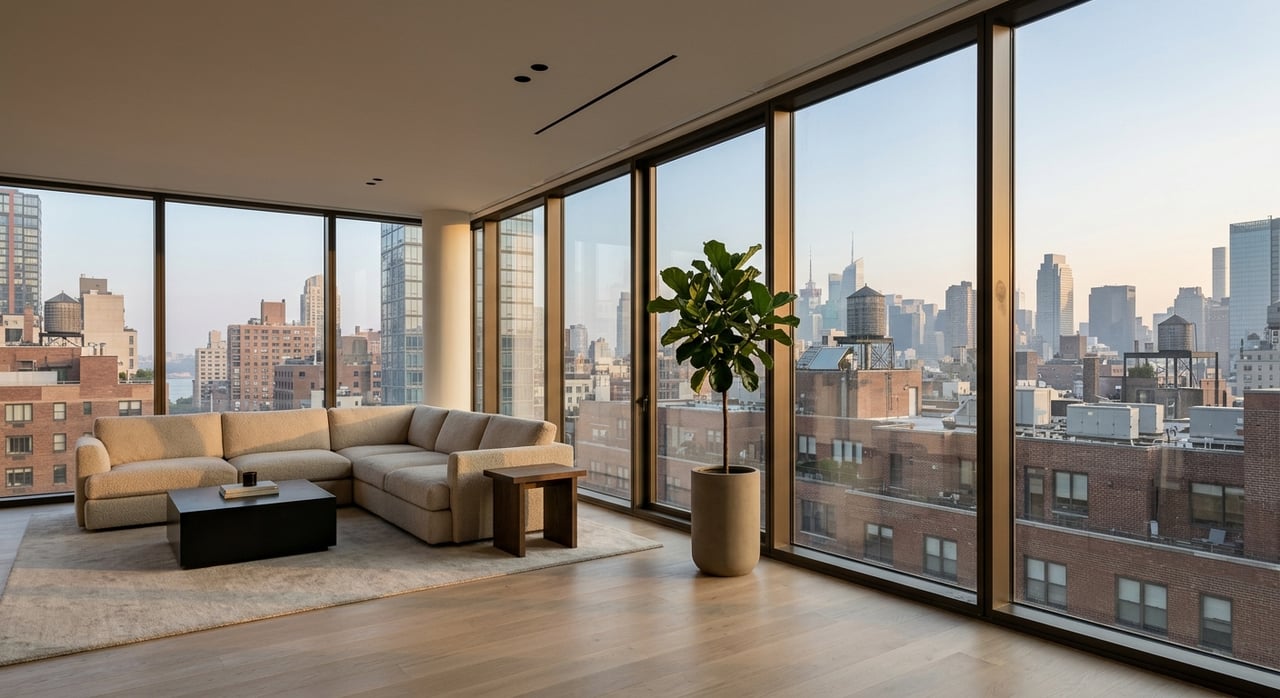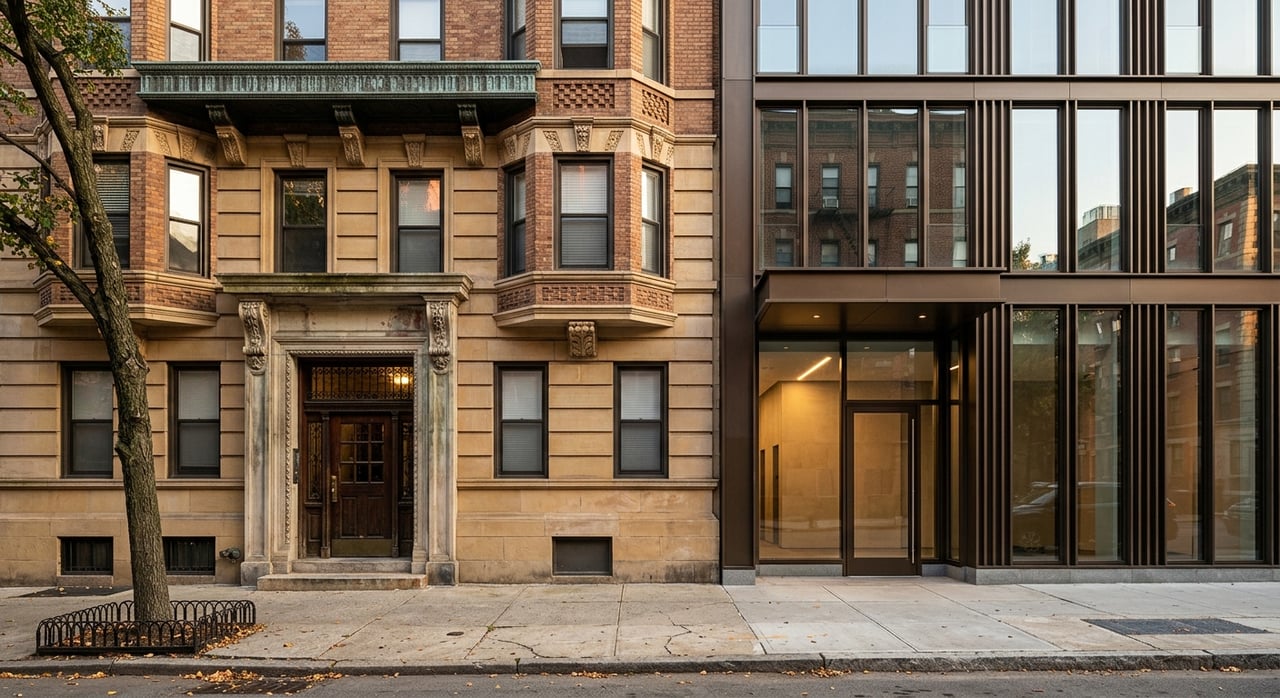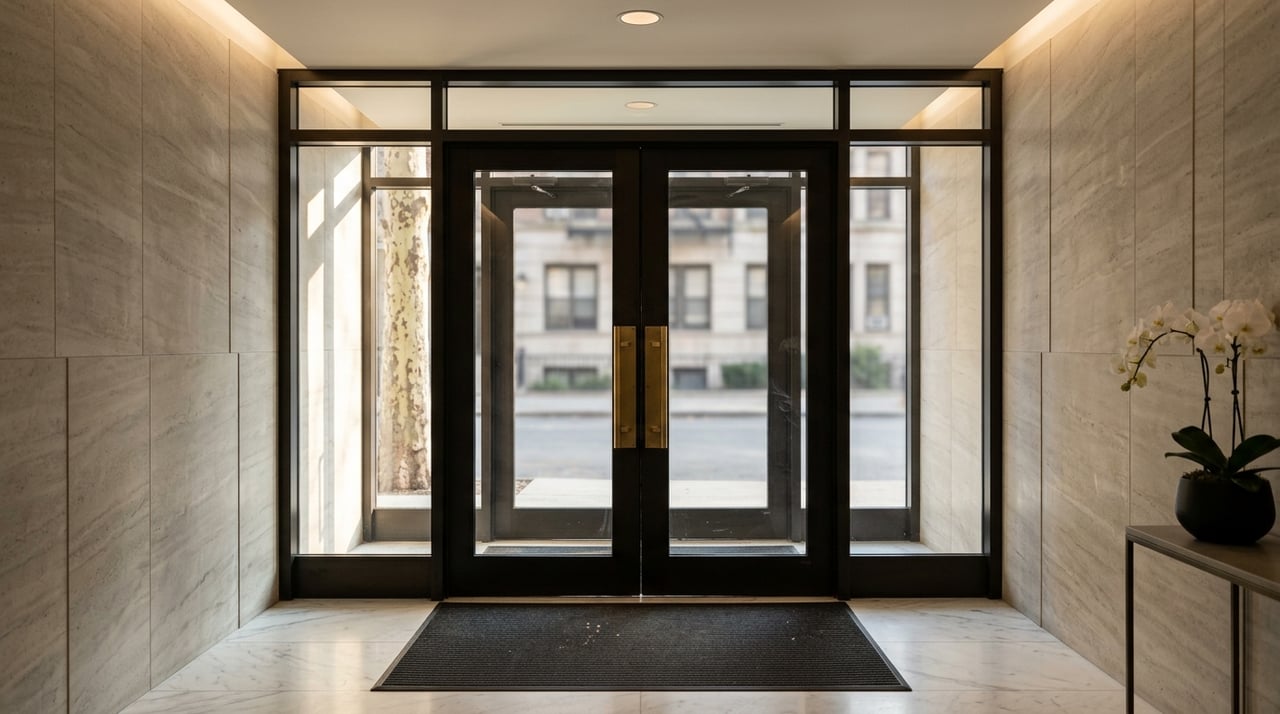
If you are drawn to Hudson Yards for its skyline views and seamless lifestyle, you are not alone. The neighborhood’s amenity towers promise hotel-level convenience with the privacy of a residence, which can be ideal whether you are relocating full time or seeking a refined pied‑à‑terre. The challenge is knowing which amenity programs deliver real value for how you live and what they add to your monthly carry. This guide shows you what truly stands out, how amenities translate into costs, and how to match building profiles to your usage. Let’s dive in.
Hudson Yards at a glance
Hudson Yards is a master-planned, mixed-use enclave on Manhattan’s West Side developed primarily by Related Companies and Oxford Properties. It combines office towers, retail, cultural spaces, a hotel, public plazas and multiple residential buildings in one integrated setting. For you, that means short internal commutes, easy access to dining and culture, and an efficient daily rhythm.
The residential offering sits at the top of the Manhattan market. Buildings emphasize full service, hotel-quality staff, and large purpose-built amenity floors. You will also see partnerships with branded operators in fitness, hospitality or private-club concepts that curate experiences beyond a typical condo gym.
Across Manhattan, there is a broader amenities arms race. Hudson Yards leans into this trend with expansive wellness suites, pools, private dining rooms and concierge programs designed for busy lives. The result is convenience and polish, with meaningful operational implications you should understand before you buy.
What stands out in amenities
Wellness and fitness depth
Expect large fitness centers with strength and cardio zones, studio rooms for spin, yoga or Pilates, and spaces for personal training or classes. Many buildings pair this with spa treatment rooms and saunas or steam rooms. The feel is closer to a private club than a basic gym.
What it means for you: ongoing staffing, equipment replacement, and class scheduling systems increase operating costs. If classes are included, costs can be higher than a pay-per-use model. If you train daily, you will likely extract strong value from a robust wellness suite.
Pools and aquatics
Indoor lap pools are common, sometimes with heated features or seasonal outdoor plunge areas. Pools are luxurious and add year-round wellness options in a four-season city.
What it means for you: pools carry significant ongoing costs for water treatment, heating and dehumidification, lifeguards or attendants, and insurance. These line items tend to raise common charges compared with buildings that do not maintain pools.
Hospitality-level staffing
You will see 24/7 doorman and concierge coverage, porterage, package handling and resident managers. Some programs add valet parking and housekeeping or turn-down services, often as fee-based options.
What it means for you: labor is one of the largest drivers of common charges. Hotel-style staffing delivers convenience and security but increases recurring payroll and benefits in the building budget.
Private clubs and branded partnerships
Many towers offer resident lounges, private dining rooms with event staffing, and partnerships with branded operators in fitness, hospitality or club models. These elevate daily life and can be valuable for entertaining or business hosting.
What it means for you: some partnerships involve separate membership fees, revenue sharing or restricted access. Clarify whether access is included, discounted, or available only through a paid tier reserved for residents.
Social, work and entertainment spaces
You can expect multiple lounges, screening rooms, libraries, co-working areas, conference rooms and landscaped terraces. These spaces support hybrid work, casual meetings and private events without leaving the building.
What it means for you: event staffing, booking systems, AV upkeep and enhanced cleaning add to operating complexity. If you host regularly, these spaces can be high-value amenities. Confirm booking rules and fees.
Family, pet and storage conveniences
Common features include children’s playrooms, supervised programming, pet-wash stations, and storage rooms for bicycles or strollers. They make urban living simpler across life stages.
What it means for you: programming and supervision policies can vary, and staffing adds costs. If you have young children or pets, these amenities may be decisive even with moderate use.
How amenities affect your monthly carry
Ownership models and access
- Condominium: owners share operating expenses through common charges. Specialty services may be included or billed separately.
- Luxury rental: amenity access is often bundled in rent, with staffing levels set by the operator.
- Hotel-residence or branded residences: you may pay both condo common charges and a separate hotel management or club fee. Some services appear as a monthly residence fee.
- Private-club models: residents sometimes need an extra paid membership tier for select spaces, with access rules that differ from general building amenities.
Understanding which model you are buying into is step one. It shapes both access and the fee structure.
Cost drivers behind the scenes
Across amenity-rich buildings, the main cost categories include staffing for concierge and doormen, utilities for pools and HVAC, service contracts for cleaning, security and equipment maintenance, liability and insurance, and contributions to reserve funds. Some buildings plan for revenue from paid classes, private dining rentals, valet services or guest suites to offset expenses. Others keep most services inclusive and spread the cost across owners.
Low reserve funding can lead to future assessments when big-ticket items come due, such as pool resurfacing or major HVAC upgrades. A well-capitalized reserve helps stabilize monthly charges over time.
Fee presentation and what to check
- Offering plan and HOA budget: review line items for operating expenses, projected common charges and reserve contributions.
- Optional services: identify pay-per-use items such as valet, guest rooms, private event staffing or storage.
- Special assessments: ask about past assessments and why they were levied. Amenity-heavy buildings can be vulnerable if early budgets understated long-term maintenance.
A careful read of these documents, ideally with your attorney and advisor, clarifies both baseline and optional costs.
Match amenities to your lifestyle
Relocating executives
If you will live in Hudson Yards full time, you may use fitness, spa and pool spaces several times a week and rely on concierge services daily. In-building business facilities, private meeting rooms and bookable dining rooms can streamline work and entertaining. If you drive, valet and secure parking are practical perks.
Cost tradeoffs: you will likely realize higher lifestyle ROI from buildings with robust staffing and extended amenity hours. Confirm which services are included, which are fee-based, and any membership requirements for club spaces.
Pied‑à‑terre buyers
For occasional stays, you likely value 24/7 concierge and doorman coverage, secure deliveries, housekeeping or linen services you can request on demand, and reliable storage for personal items. You may enjoy wellness facilities during visits but prefer not to overpay for programs you will rarely use.
Cost tradeoffs: buildings with optional, pay-as-you-use services and clear guest policies often fit best. Confirm subletting rules and restrictions on short-term rentals if you need flexibility, and focus on lower baseline common charges if your use is episodic.
A simple cost-per-use approach
- Estimate your realistic usage frequency for each amenity. Think in weekly or monthly terms.
- If an amenity is fee-based, multiply your expected uses by the per-use cost.
- If it is included, annualize your common charges and assign a portion to major amenities based on their share of the operating budget when available.
- Consider seasonality. Outdoor terraces and pools add summer value but drive year-round operating costs.
- For frequent entertaining, verify the booking rules, fees and lead times for private rooms.
This method keeps the focus on value you will actually experience rather than a long feature list.
Due diligence before you buy
Documents to request
- Current offering plan and any amendments.
- Latest operating budget and 2 to 3 years of actual operating statements.
- Reserve fund balance and notes on recent or upcoming capital projects.
- History of special assessments.
- Contracts for any management, fitness, hotel or private-club partnerships, including terms and fee structures.
Operational questions to ask
- Which amenities are included in base common charges, and which are billed separately?
- What is the staffing model and coverage hours for concierge, doorman, valet and amenity attendants?
- How are pool hours, lifeguard staffing and maintenance handled and funded?
- How are reservations prioritized for residents versus guests, and what are the fees for private events?
- What are guest policies, subletting rules and any short-term rental restrictions?
- What insurance coverage is in place, and are there assessments tied to insurance costs?
Practical checks and interviews
- Ask management for a breakdown of major operating expense drivers such as energy, water and payroll.
- If the property is mixed-use with rentals or hotel elements, request occupancy profiles to understand revenue offsets.
- Speak with onsite management or staff about typical amenity usage patterns and any common complaints.
- For branded partnerships, confirm how resident membership is defined and whether external members ever access resident spaces.
Which profile fits you
- If wellness is daily: choose a building with a comprehensive fitness and spa suite, an indoor lap pool and extended hours. Expect higher common charges that reflect robust staffing and specialized maintenance.
- If you entertain often: prioritize private dining rooms with event staffing, reservable lounges and solid AV-equipped meeting spaces. Review booking policies closely.
- If you travel frequently: favor strong concierge coverage, secure package and storage solutions, and housekeeping services offered on demand. Pay-per-use models help manage carry when you are away.
- If you want simplicity: a building with fewer high-cost amenities, or with more a la carte services, can keep baseline charges lower while still offering convenience when needed.
The goal is not the longest amenities list. It is the best alignment between services you will use and the operating structure you are comfortable carrying.
Final thoughts
Hudson Yards amenity towers deliver a refined, integrated way to live in Manhattan. They blend hotel-quality services with private residential privacy, set within a master-planned neighborhood that makes daily life efficient. The key is to understand how amenity choices flow through to monthly charges, then calibrate your selection to your real usage.
If you would like a private, building-by-building evaluation of amenity programs and operating budgets tailored to your lifestyle, connect with Filippa Edberg-Manuel to schedule a confidential consultation.
FAQs
What makes Hudson Yards amenities different from other Manhattan condos?
- The master-planned setting concentrates hotel-level staffing, expansive wellness suites and curated club spaces in one integrated neighborhood.
How do pools affect monthly common charges in amenity-heavy buildings?
- Pools add ongoing costs for water treatment, heating, dehumidification, staffing and insurance, which typically increases common charges versus buildings without pools.
Which amenities matter most for relocating executives?
- Fully equipped fitness and spa facilities, indoor pool access, dedicated business and meeting spaces, strong 24/7 concierge and optional valet or household services.
What should pied‑à‑terre buyers prioritize in Hudson Yards?
- Reliable 24/7 doorman and concierge, secure deliveries and storage, optional housekeeping and pay-as-you-use services to keep baseline carry in check.
What documents reveal the true cost of amenities before buying?
- The offering plan, HOA budget, 2 to 3 years of operating statements, reserve fund details, special assessment history and any contracts with branded partners.
Are private-club or branded partnerships always included in ownership?
- Not always, since some buildings require separate memberships or fees, so you should confirm access rules, pricing and contract terms during due diligence.