Choosing between Hudson Yards and West Chelsea can feel like choosing between two different versions of New York. Do you want vertical, five-star service with skyline views, or an architect-led home beside the High Line and the gallery world? If you are weighing new developments in these two micro-markets, the details matter. In this guide, you will learn how the architecture, amenities, culture, and ownership trade-offs compare so you can align your next purchase with your lifestyle and collection goals. Let’s dive in.
Hudson Yards vs West Chelsea: Orientation
Hudson Yards at a glance
Hudson Yards is a master-planned district built above the West Side Rail Yard. It delivers a new skyline of glass towers, office space, destination retail, and cultural programming in a single, cohesive plan. The precinct is anchored by features like The Shed and a multi-level shopping and dining concourse, with direct subway access via the 7 train at 34th Street–Hudson Yards. You can explore the scope of the project in the Hudson Yards development overview.
- Transit: The 34th Street–Hudson Yards station opened in 2015, linking the West Side to Midtown and Queens.
- Cultural anchors: The district features large-scale attractions such as The Shed.
West Chelsea at a glance
West Chelsea broadly refers to the High Line and gallery corridor from roughly 18th to 27th Streets, west of Tenth Avenue. The neighborhood’s identity was reshaped by the High Line and the Whitney Museum’s downtown move, which encouraged a wave of boutique, architect-driven residential projects and sustained a dense gallery ecosystem. Learn more about how the High Line and Whitney helped shape the area in this local overview and the Whitney’s background.
Architecture and unit character
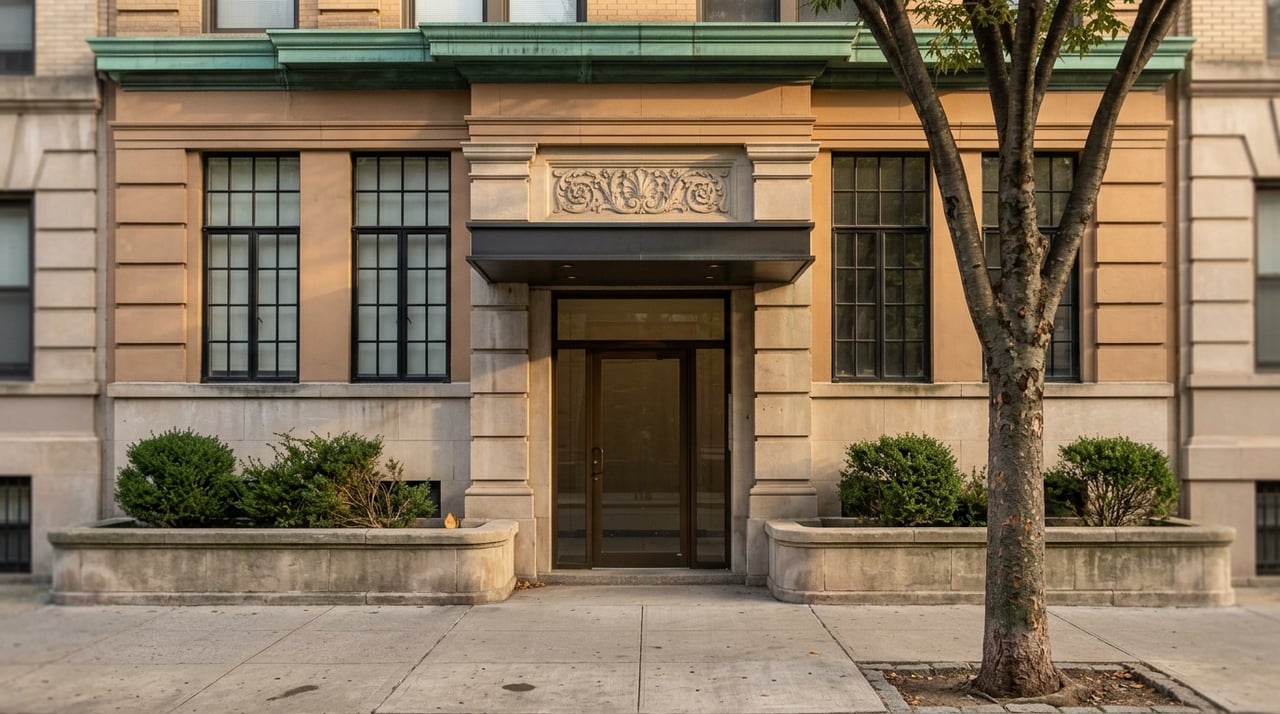
Hudson Yards favors high-rise, glass-clad towers designed by global architecture firms. Residences emphasize panoramic vistas, floor-to-ceiling glazing, and vertically stacked amenity floors. The experience feels polished and metropolitan, with a strong connection to the skyline and the broader district. For context on the planning approach, see the Hudson Yards development overview.
West Chelsea offers a more varied, design-forward fabric. Many projects are mid-rise or converted warehouses with generous windows, well-proportioned rooms, and material-driven interiors. Two representative examples along the High Line are Lantern House by Heatherwick Studio, which foregrounds bay windows and residentially scaled wellness spaces, and 520 West 28th by Zaha Hadid, known for sculptural architecture and a boutique amenity program.
Scale and street experience
Hudson Yards is intentionally large. The multi-tower plan creates broad plazas, prominent retail frontage, and a district energy you feel from street to sky. This scale supports expansive amenity floors and services, which is a draw if you want everything under one roof. The skyline impact and street grid reflect the project’s comprehensive vision, as outlined in the Hudson Yards overview.
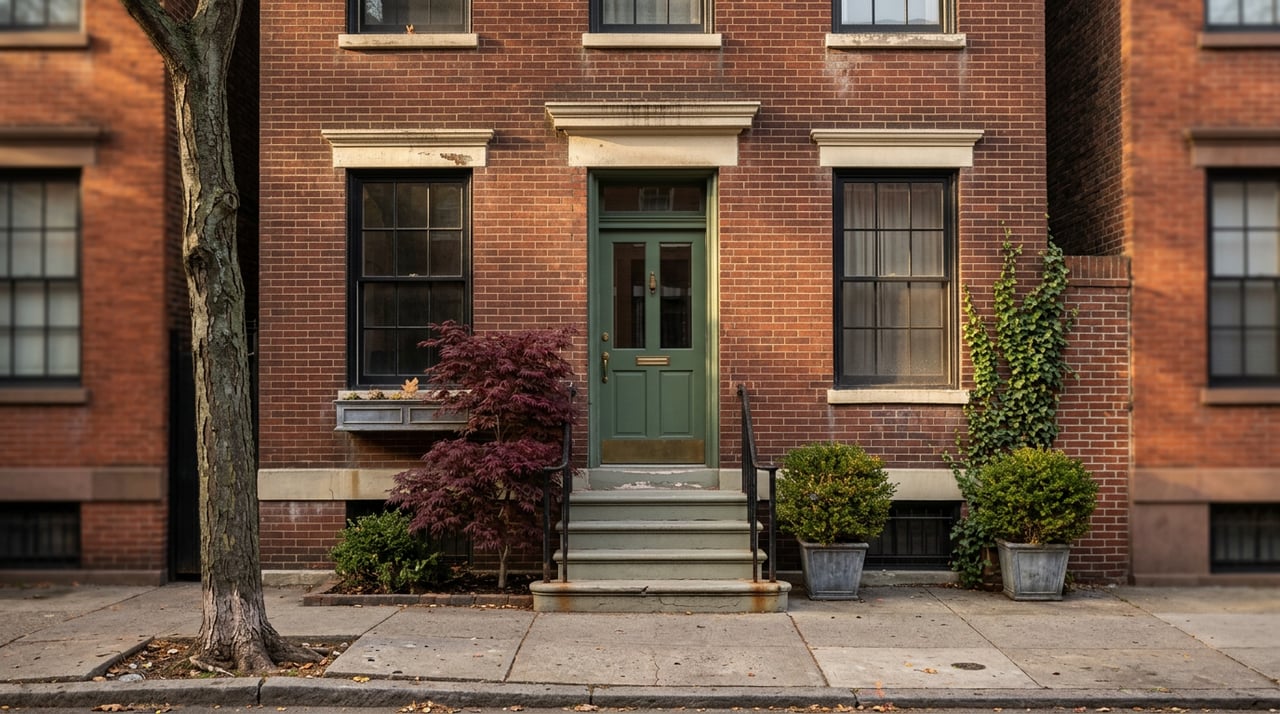
West Chelsea retains an intimate, gallery-street vibe. Blocks are largely low to mid-rise, with brick facades and loft conversions that keep the area walkable and visually textured. Zoning and the High Line’s influence helped preserve this scale. For a concise neighborhood snapshot, see this West Chelsea profile.
Amenities and cost signals
Hudson Yards buildings typically lean into brand and breadth. Expect expansive fitness clubs, spa programs, multi-room lounges, and hotel-style services with dedicated staff. These offerings are convenient and often impressive, though they can come with higher monthly common charges and additional fees for certain memberships. For an overview of the district’s amenity-rich model, review the Hudson Yards development summary.
West Chelsea developments tend to curate amenities at a boutique scale. Lantern House, for example, offers a resident-focused pool, spa, fitness, and High Line-facing lounges that feel residential rather than resort-like. This right-sized approach can reduce operational complexity and keep building culture more neighborly. Explore the amenity intent at Lantern House.
Culture and neighborhood fabric
If you want direct access to galleries, artist openings, and a cultural routine centered on the High Line and the Whitney, West Chelsea is compelling. Planning materials and local summaries point to a significant concentration of galleries west of Tenth Avenue, which both constrains large-scale development and reinforces the area’s art-centric identity. See this West Chelsea gallery district summary and this overview of the High Line’s role.
Hudson Yards offers cultural scale of a different kind. The Shed hosts a broad calendar of performances and exhibitions, while the district’s retail, dining, and attractions activate the precinct for a wide audience. Learn more about The Shed’s program.
In-home display considerations
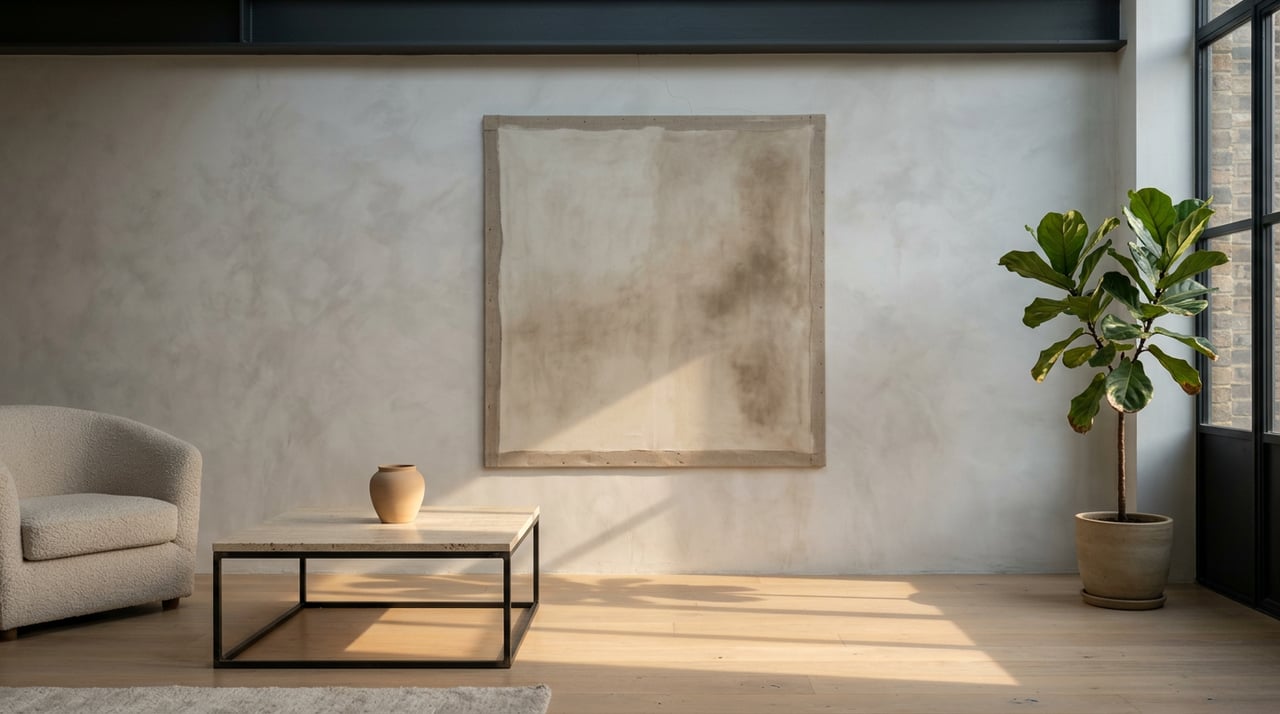
Collectors should look closely at ceiling heights, wall length, and light. West Chelsea’s boutique buildings often anticipate those needs, with long wall runs, thoughtfully placed windows, and proportioned rooms that can double as display environments. Lantern House’s bay-window strategy is a good example of framing views while preserving usable walls. See design details at Lantern House.
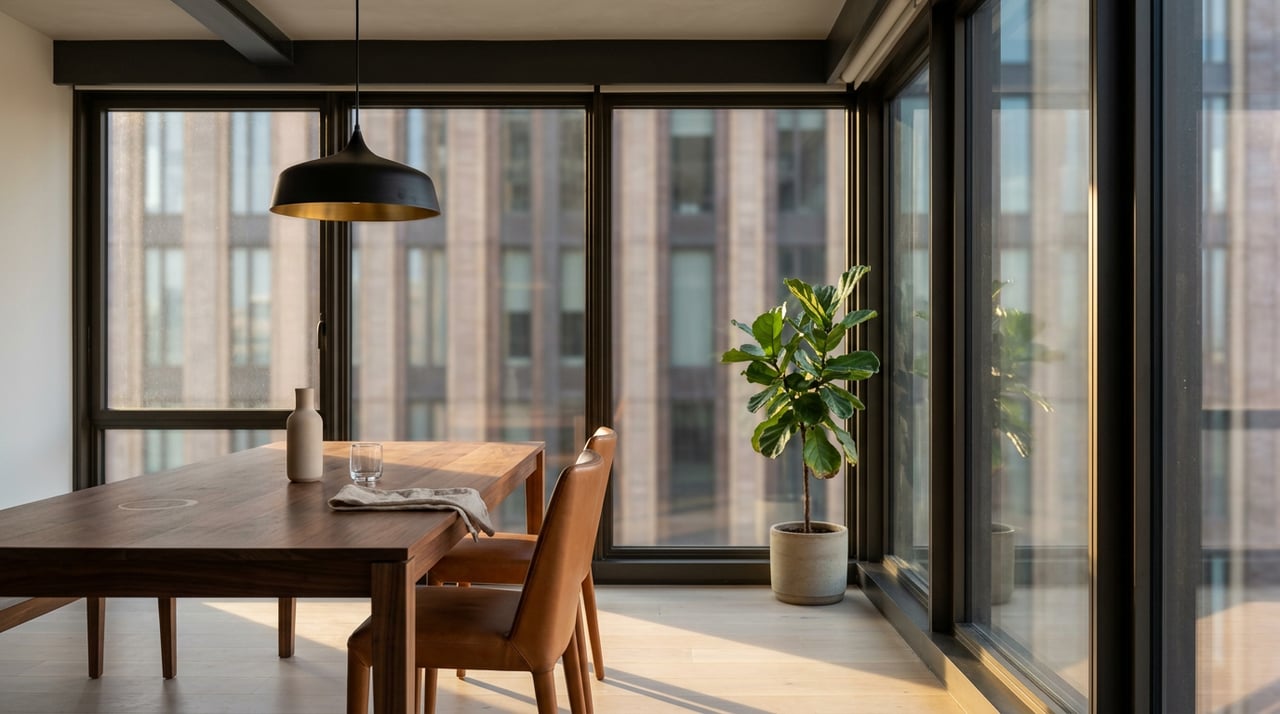
Hudson Yards units are known for glass and views. The effect is striking, but if in-home exhibiting is central to your lifestyle, plan for custom lighting and confirm building policies on wall mounts. Service corridors and freight elevator dimensions also matter when moving large works. For high-level context on Hudson Yards’ residential character, review the development overview.
Ownership trade-offs
Amenity-heavy towers can simplify daily life through on-site wellness, dining, and services. That convenience typically means higher common charges and sometimes separate memberships for select facilities. Understanding who operates major amenities and how fees are structured is key. The Hudson Yards summary provides helpful context.
Boutique West Chelsea buildings trade scale for control. With fewer residents and right-sized amenities, booking a pool lane or a lounge can be more straightforward. Building culture often feels more residential and owner-centric. For a sense of thoughtful, residentially scaled programming, visit Lantern House.
Buildings to know
Hudson Yards exemplars
- 15 Hudson Yards. Residential tower connected to cultural programming at The Shed. Think skyline views, shared amenity floors, and direct access to district attractions.
- 35 Hudson Yards. Mixed-use with branded wellness and hospitality components integrated into the building program, appealing to buyers who want hotel-caliber services.
- 30 Hudson Yards. Commercial icon with a major observation attraction that illustrates the district’s scale and public draw, adding energy to the surrounding environment.
West Chelsea exemplars
- Lantern House, 515 West 18th. Heatherwick Studio design with signature bay windows, High Line presence, and resident-focused wellness spaces.
- 520 West 28th. Zaha Hadid’s sculptural architecture, boutique unit count, and curated amenities create a design-forward living experience.
Which one fits you
If you are an art collector
- Favor West Chelsea when daily proximity to galleries, openings, and artist networks is essential. Many units are intentionally art-friendly. Confirm building rules for wall mounts, lighting, HVAC and humidity controls, and freight elevator specs. The West Chelsea gallery district summary is a useful primer.
If you are wellness and amenity focused
- Hudson Yards often leads for on-site variety, from large gyms to spa tie-ins and dining. Confirm what is included in your common charges and what requires a separate membership. For district context, see the Hudson Yards overview.
If you value privacy and control
- West Chelsea’s boutique buildings typically offer fewer residences per floor, private elevator access in select lines, and a quieter, owner-centric culture. Projects along the High Line often prioritize residential scale and design continuity.
If you are investing for resale and liquidity
- Hudson Yards attracts a global audience seeking turnkey, full-service living. Large inventory and higher monthly costs can influence yield and timing, so track building-level absorption.
- West Chelsea’s scarcity of boutique supply can support value for distinctive, architect-branded product. Liquidity depends heavily on the building and block. For a quick sense of product mix and notable buildings in the area, review this CityRealty High Line roundup.
Showing-day checklist
Use these questions on a showing or developer call to align the property with your goals:
- Elevator and delivery: What are the service and freight elevator interior dimensions? Will they accommodate large artworks or oversized furniture?
- Interior finishes and walls: Are walls finished or white box? Are track lighting or gallery walls permitted? What are the rules on drilling into party walls? Review examples of thoughtful interior planning at Lantern House.
- HVAC and climate: What are the HVAC specs? Is humidity monitored or controllable at the unit or building level?
- Amenity access and fees: Which amenities are included in common charges and which require separate memberships or operator fees? For context on amenity programming at scale, see the Hudson Yards overview.
- Leasing rules: Are there minimum occupancy periods or buy-to-rent restrictions that affect flexibility?
- Building culture and scale: How many units share a pool or lounge at peak times? Is usage by reservation, and how quickly do slots fill?
- Storage and parking: Are private or climate-controlled storage options available on-site or nearby? Is parking owned or licensed, and how is it allocated?
How we can help
Whether you are shortlisting an amenity-rich tower at Hudson Yards or a design-driven residence near the High Line, a precise brief will save you time and surface the right homes faster. Our team advises on display logistics, building policies, and value drivers that matter to collectors and global buyers. If you want a discreet, design-led search tailored to your goals, schedule a private consultation with Filippa Edberg-Manuel.
FAQs
Which area suits art collectors comparing new developments?
- Generally West Chelsea, due to its gallery density and cultural anchors around the High Line and Whitney. Confirm unit specifics such as wall runs, ceiling height, and freight elevator specs using the West Chelsea gallery district summary.
How do amenities differ between Hudson Yards and West Chelsea?
- Hudson Yards usually offers larger, brand-led amenity suites that may carry higher common charges or separate memberships, while West Chelsea leans boutique and residential in scale. See the Hudson Yards overview and Lantern House amenities.
What shapes the character of West Chelsea’s streets?
- Low to mid-rise buildings, loft conversions, and the influence of the High Line create a more intimate, walkable feel. A quick primer is this West Chelsea profile.
How does transit access compare for buyers prioritizing convenience?
- Hudson Yards benefits from the 7 train at 34th Street–Hudson Yards. West Chelsea is well served by the High Line as a pedestrian amenity, with multiple nearby subway lines east of Tenth Avenue depending on your exact address.
What should investors watch on resale and liquidity?
- Track building-level absorption, common charges, and the buyer pool for each product type. Hudson Yards draws full-service seekers at scale, while West Chelsea’s architect-branded inventory is more boutique. For a snapshot of the High Line condo landscape, see this CityRealty roundup.