Selling a prewar home on the Upper West Side is rarely about making it look brand new. Buyers are often drawn to these homes because they offer something newer apartments cannot easily replicate: scale, craftsmanship, and architectural character. If you want to position your home well, the goal is to present that character with polish, clarity, and as little friction as possible. Let’s dive in.
Why prewar character matters
On the Upper West Side, prewar appeal is closely tied to the neighborhood’s architectural identity, especially around Central Park West and nearby historic districts. The Landmarks Preservation Commission’s historic district materials describe Central Park West as one of New York City’s finest residential boulevards.
In practical terms, buyers often associate prewar homes with high ceilings, generous room proportions, thick walls, large windows, fireplaces, plaster moldings, herringbone floors, and ornate building lobbies. According to Realtor.com’s overview of prewar apartments, those classic features remain a big part of the category’s appeal.
That means your home’s character is not a side note. It is a core part of what buyers are evaluating when they decide whether your apartment feels special.
What the Manhattan market means for sellers
Presentation matters in any market, but it matters even more when buyers have choices and move carefully. In Corcoran’s February 2026 Manhattan market report, Manhattan recorded 886 contracts, just over 5,600 active listings, 134 average days on market, and a 2.6% average discount from last asking price.
Corcoran also reported that Upper West Side contracts were down 12% year over year in December 2025, partly because of less new-development activity. For resale sellers, that is a reminder that your listing needs to stand out quickly and clearly.
For a prewar home, buyers are usually not looking for a generic apartment with older finishes. They are looking for a home that delivers authentic scale, light, and architectural distinction. The more clearly you show those qualities, the stronger your launch can be.
What to update before listing
Most prewar Upper West Side homes benefit from a thoughtful cosmetic refresh, not a total rewrite. A clean, bright, well-prepared apartment helps buyers focus on the features they came to see.
StreetEasy’s seller guidance recommends a simple but effective prep list:
- De-clutter each room
- De-personalize surfaces and walls
- Deep clean throughout
- Clean windows thoroughly
- Remove old carpets
- Touch up paint and caulk
- Stage with furniture that clarifies room function
These steps may sound basic, but they can change how your home reads in person and in photos. In a prewar apartment, even small distractions can pull attention away from the details that make the space memorable.
What to preserve in a prewar home
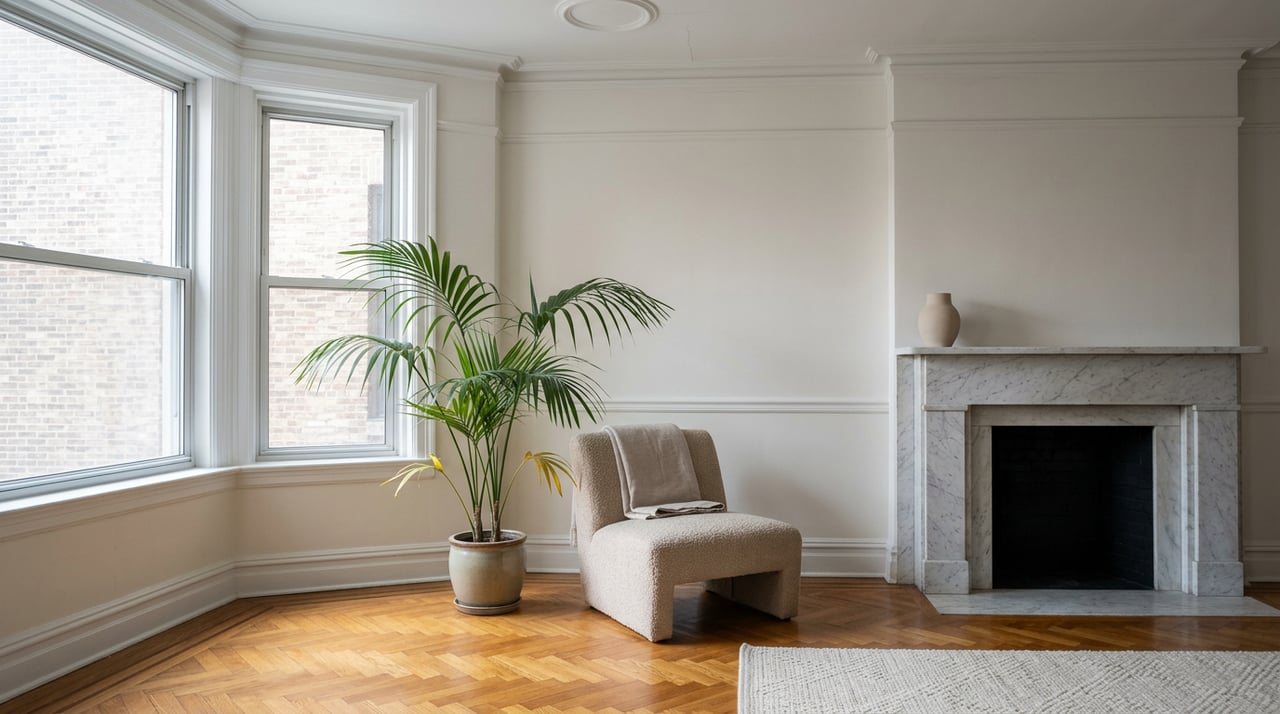
If your apartment has original floors, plaster detail, fireplaces, built-ins, or tall windows, those features should remain visible and legible. Buyers often value prewar homes precisely because they retain period integrity.
Realtor.com notes that many buyers are happy to renovate while preserving historic character, and BrickUnderground, as cited in the research, points to the strong appeal of prewar condos for their historical pedigree, high ceilings, and large windows. The takeaway is simple: do not prep your apartment as though its original details are obstacles.
Instead, think in terms of restoration and editing. Your goal is to make the home feel move-in ready while keeping the qualities that give it identity.
Kitchen and bath updates to consider
Selective updates can help if your kitchen or baths feel noticeably tired, but restraint usually serves prewar homes well. Buyers tend to respond to improvements that reduce friction without changing the apartment’s proportions or architectural language.
In many cases, that means focusing on cleanliness, hardware, lighting, paint, and targeted repairs rather than attempting a full redesign before listing. If you do make improvements, they should support the home’s original character instead of competing with it.
This approach helps your home feel fresh while still reading as an Upper West Side prewar, not an imitation of new development.
Landmark rules can affect timing
Before you plan any exterior work, confirm whether your building is landmarked or located in a historic district. This matters because approvals can affect your listing timeline.
The NYC Landmarks Preservation Commission states that a Certificate of Appropriateness is required when work affects protected architectural features or does not conform to LPC rules. NYC guidance also notes that landmarked properties or buildings in historic districts need LPC permits before work that also requires a Department of Buildings permit.
The LPC says the Certificate of Appropriateness process can take about three months. If your sale depends on a façade repair, visible window work, or another exterior update, you will want to build that timing into your plan early.
Stage to show scale and light
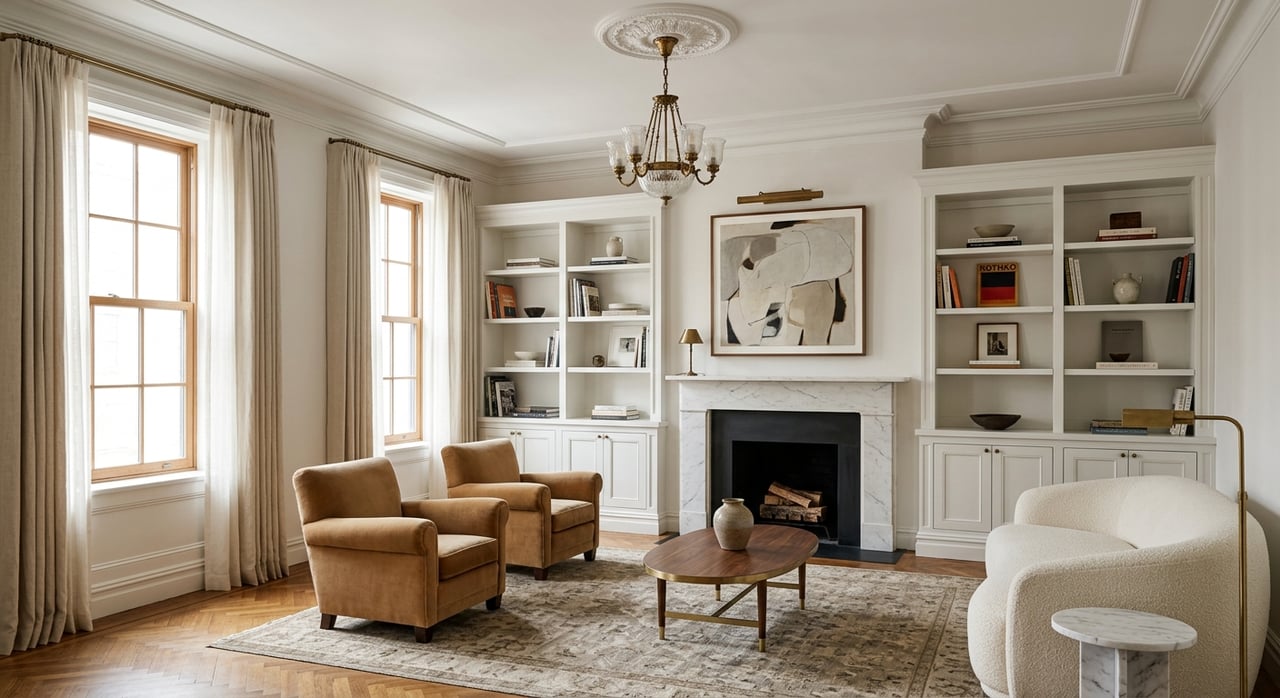
Staging works best when it helps buyers understand the space quickly. In a prewar apartment, that means showing proportion, circulation, and natural light without crowding the rooms.
The National Association of Realtors 2025 Profile of Home Staging found that 83% of buyers’ agents said staging made it easier for buyers to visualize a property as a future home. The same report identified the living room, primary bedroom, and kitchen as the most important rooms to stage.
For sellers, the report found that the living room, primary bedroom, and dining room were the most commonly staged spaces, with a median professional staging spend of $1,500. In a classic Upper West Side home, staging should frame the apartment’s best architectural moments rather than fill every corner.
What great staging looks like
Strong prewar staging usually does a few things well:
- Keeps original floors, moldings, fireplaces, and built-ins visible
- Uses furniture scaled to the room
- Leaves clear walking paths
- Lets window light come through
- Makes each room’s purpose easy to understand
This is especially important if your home has large rooms or unusual layouts by modern standards. Buyers should be able to see how the apartment lives today while still appreciating its historic proportions.
Photography can shape first impressions
Online presentation often decides whether a buyer schedules a showing. In a visually rich prewar home, professional photography is not just a marketing extra. It is part of the pricing and positioning strategy.
The same NAR staging report found that buyers’ agents viewed photos as the most important listing asset. It also reported a median expectation of eight in-person showings and 20 virtual showings before purchase, which underscores how often your home is evaluated first through images and digital media.
That makes it especially important to photograph moldings, fireplaces, floors, ceiling height, and window light clearly. If those details disappear into dark corners, oversized furniture, or clutter, buyers may never fully understand what sets your home apart.
Prepare documents before you launch
A polished presentation helps attract interest, but documentation helps keep a deal moving once you have it. On the Upper West Side, where many sales involve co-ops and condos, organization can reduce avoidable delays.
For co-ops, StreetEasy’s board package guide says buyers typically need signed tax returns, W-2s, reference letters, pay stubs, proof of employment, financial statements, and, if financing, loan application materials and related documents. StreetEasy also notes that many buildings expect the package within about 10 days after contract signing.
For condos, StreetEasy’s condo seller guide advises having items like building financials, the offering plan, house rules, and purchase application ready so due diligence can move quickly. It also notes that condo sales may involve seller fees, taxes, and building-specific fees.
According to the New York City Bar, your attorney handles the formal contract and closing documents in a New York sale. Early preparation can make your transaction feel more orderly and more appealing to serious buyers.
Build your timeline backward
If you want to hit the market in a strong seasonal window, preparation should start earlier than many sellers expect. Realtor.com’s 2025 seasonality research found that spring is generally the high season and that listing earlier in spring can improve the odds of a successful sale.
For an Upper West Side prewar home, that means working backward from your target launch date. You may need time for cosmetic refreshes, staging, photography, attorney prep, building paperwork, and, if applicable, LPC approvals.
A simple timeline often looks like this:
| Prep Stage | What to Handle |
|---|---|
| 8-12 weeks before listing | Evaluate repairs, confirm building rules, check landmark status |
| 6-8 weeks before listing | Complete touch-ups, cleaning, paint, and selective updates |
| 3-4 weeks before listing | Stage, photograph, and organize sale documents |
| 1-2 weeks before listing | Final pricing, marketing review, and launch preparation |
This kind of sequencing helps your home come to market with intention instead of rushing pieces together at the last minute.
The strongest strategy for a prewar sale
The best Upper West Side prewar listings tend to follow the same pattern. They preserve authentic character, refresh what buyers will notice, stage the home to show scale and light, and remove avoidable transaction friction before launch.
That approach aligns with how buyers evaluate these homes. They are often looking for originality, polish, and confidence that the process will be well managed from first showing through closing.
If you are preparing a classic Upper West Side residence for sale, a measured, design-aware strategy can help your home present at its highest level. For discreet guidance and a tailored presentation plan, you can schedule a private consultation with Filippa Edberg-Manuel.
FAQs
What should you fix before selling a prewar Upper West Side home?
- Focus first on de-cluttering, deep cleaning, window cleaning, paint touch-ups, old carpet removal, and minor cosmetic repairs, since these updates can help buyers focus on the home’s original character.
Should you renovate a prewar Upper West Side apartment before listing?
- In many cases, selective cosmetic updates are more effective than a full renovation, especially when the home already has strong original details like high ceilings, moldings, fireplaces, or herringbone floors.
Does staging matter when selling a prewar Manhattan apartment?
- Yes. NAR reported that 83% of buyers’ agents said staging made it easier for buyers to visualize the property as a future home, with the living room, primary bedroom, and kitchen standing out as key spaces.
Do landmark rules affect selling a prewar Upper West Side property?
- They can, especially if you need exterior work or changes to protected architectural features, since LPC approvals may be required and can take about three months for a Certificate of Appropriateness.
When is the best time to list an Upper West Side home for sale?
- Spring is generally the high season, and listing earlier in spring may improve your chances of a successful sale, so it helps to complete prep work before that window opens.
What documents should sellers prepare for a co-op or condo sale in Manhattan?
- Co-op and condo sales often require building and transaction documents to be organized early, including board-related materials for co-ops and building financials, house rules, and related due diligence items for condos.