What makes an Upper East Side luxury home feel unforgettable before a buyer ever steps inside? Often, it is not just the address or square footage. It is the way the home is presented, photographed, and understood at a glance. If you are preparing to sell on the Upper East Side, a design-led staging strategy can help your property read with clarity, character, and confidence both in person and on screen. Let’s dive in.
Why staging matters on the Upper East Side
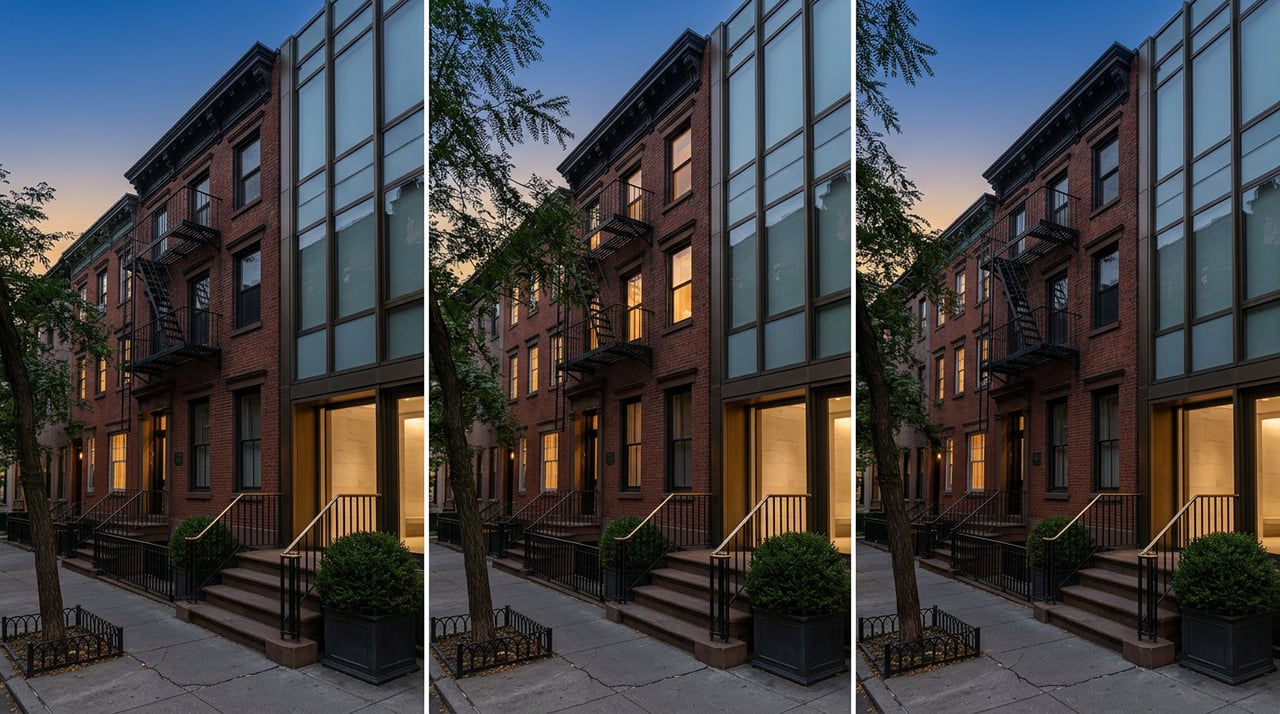
The Upper East Side is not one uniform market. Its housing stock ranges from pre-war apartments and mansions in areas like Carnegie Hill and Park/Fifth to 79th Street to newer luxury towers in Yorkville and other pockets, according to CityRealty. That variety means buyers are often responding to architecture, light, layout, and overall visual language as much as they are to measurements on a floor plan.
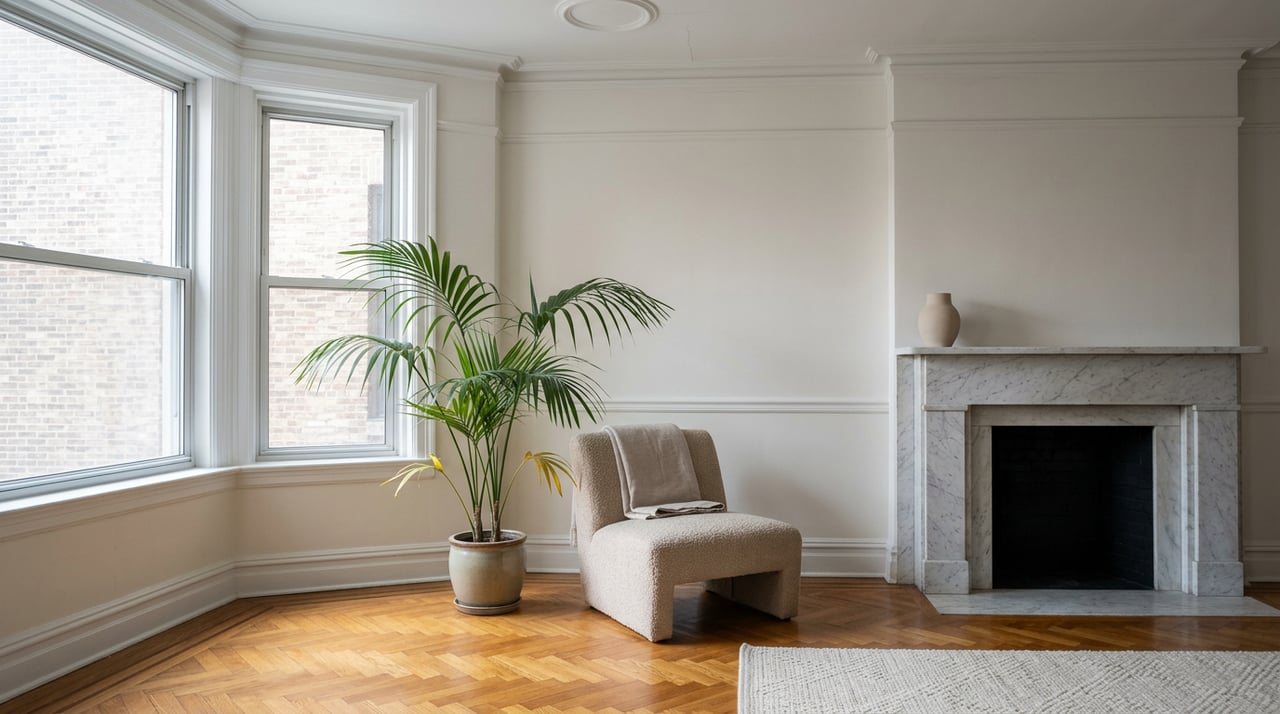
In this setting, staging is not about filling rooms. It is about helping buyers understand the home’s point of view. In a pre-war co-op, that may mean revealing moldings, fireplaces, herringbone floors, and ceiling height. In a newer condo, it may mean creating a clean, gallery-like interior that supports open layouts, terraces, and floor-to-ceiling windows.
National staging data reinforces why this matters. The National Association of Realtors found that 81% of buyers’ agents said staging makes it easier for clients to visualize a property as a future home. Seller’s agents also reported that staging can reduce time on market, and some said it can increase offer value by 1% to 5% compared with similar unstaged homes.
Design-led staging is visual strategy
For an Upper East Side luxury listing, staging should be treated as part of a broader visual strategy. Buyers are searching online first, and listing photos are among the most useful tools in that process. NAR reported that 52% of buyers found the home they purchased online, while nearly half began their search online.
That matters because your home must perform twice. First, it needs to stop a buyer mid-scroll. Then, once they visit, it needs to feel cohesive, calm, and true to its architecture. A design-led approach connects those two moments.
This is where restraint becomes powerful. On the Upper East Side, the most effective rooms often feel edited, not crowded. Furnishings, art, and styling should support proportion and flow rather than compete with the apartment’s bones.
Which rooms deserve the most staging budget
If you are deciding where to invest, start with the rooms buyers notice most. NAR found that the living room is the most important room to stage, followed by the primary bedroom and kitchen. For luxury sellers, that hierarchy is especially useful because it helps direct budget where it is most likely to shape buyer perception.
Living room first
The living room often carries the emotional weight of the listing. It is where scale, light, ceiling height, and window placement become legible in photos. On the Upper East Side, it is also where you can show whether the home reads as gracious and classic or sleek and contemporary.
Use furniture that fits the room rather than overwhelms it. A room should feel collected and balanced, with clear sightlines that make circulation easy to understand. If the space includes architectural details, keep those visible.
Primary bedroom second
The primary bedroom should feel quiet, generous, and resolved. Buyers want to see comfort, but they also want to understand scale. A bedroom that feels too full or overly styled can make even a large room read smaller.
Keep the palette calm and the composition simple. Bedding, lighting, and bedside pieces should create symmetry or intentional asymmetry without visual noise. The goal is a room that feels private and restful.
Kitchen third
Kitchens matter because buyers look for function and finish. Even if a kitchen is beautifully renovated, cluttered counters or too many accessories can distract from materials and layout. In photos, visual simplicity helps cabinetry, stone, and hardware read more clearly.
Style only what supports the architecture. A few restrained elements can soften the room, but the kitchen should still feel ready for use. Clean surfaces and strong lighting make the biggest difference here.
Support spaces that reinforce value
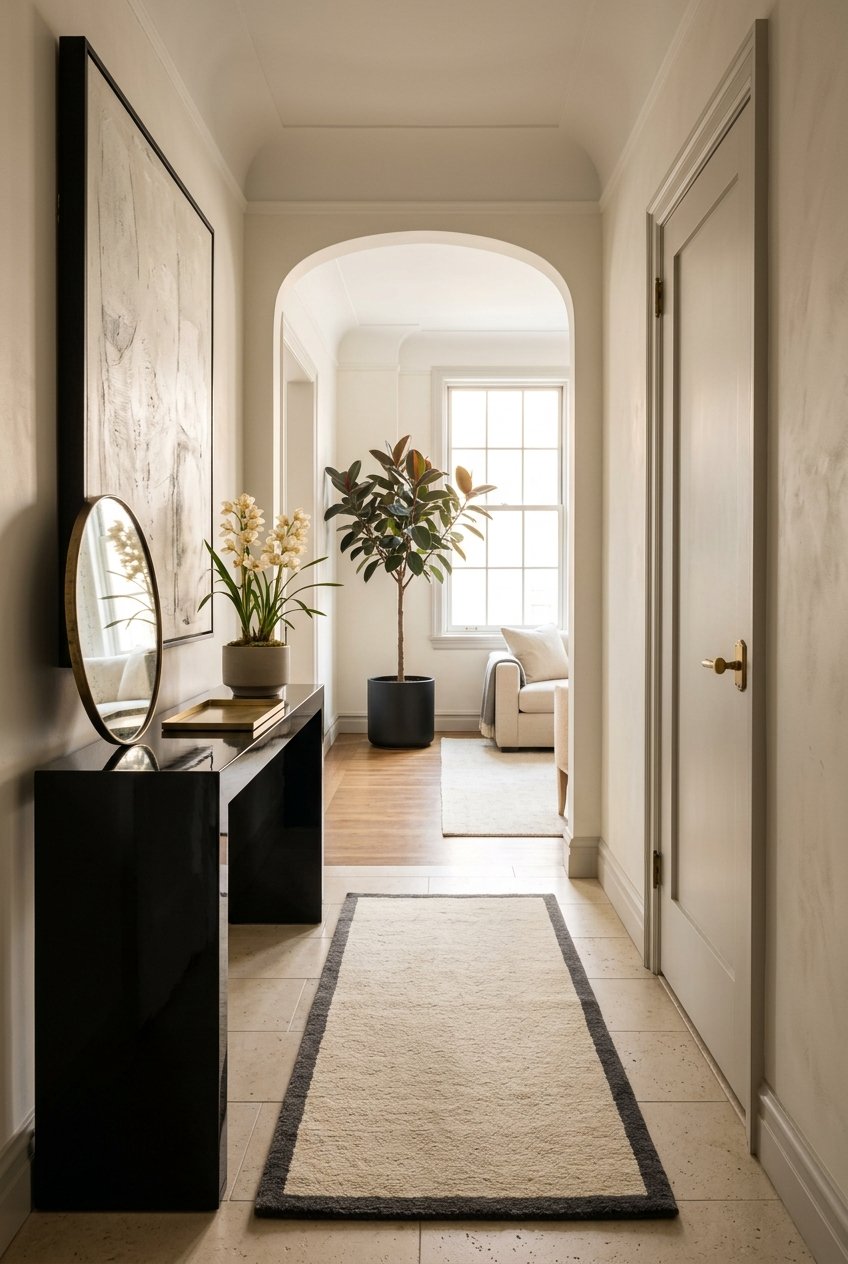
After those three rooms, focus on spaces that add clarity to the lifestyle story of the home. Entry areas, dining rooms, libraries, and home offices can help buyers understand flow and flexibility. These areas do not need the same budget as primary rooms, but they should still feel intentional.
A well-staged entry can set the tone immediately. A dining area can clarify scale in an open plan. A home office can help frame how an extra room or corner might function without overexplaining it.
How to stage a pre-war co-op
A pre-war co-op on the Upper East Side should not be staged like a generic luxury apartment. Its appeal often lies in architectural features and proportion. The goal is to preserve that identity while making the home feel current and inviting.
Let the architecture breathe
Pre-war homes often benefit from fewer, better pieces. If you have original moldings, fireplaces, built-ins, or patterned wood floors, staging should make those details more visible. That usually means reducing visual clutter and choosing furniture with enough negative space around it.
Avoid layouts that block focal points. If a fireplace or tall window is part of the room’s character, treat it as a central feature. Buyers should be able to read the room’s architecture within seconds.
Use a restrained heritage look
For many pre-war residences, a restrained heritage look feels most natural. This does not mean formal or heavy. It means furnishings with presence, texture, and proportion that respect the age of the building without making the interiors feel dated.
Think balance over theme. You want the home to feel timeless, not staged to imitate a period set. Soft neutrals, layered textures, and carefully scaled pieces often work better than ornate styling.
How to stage a newer luxury condo
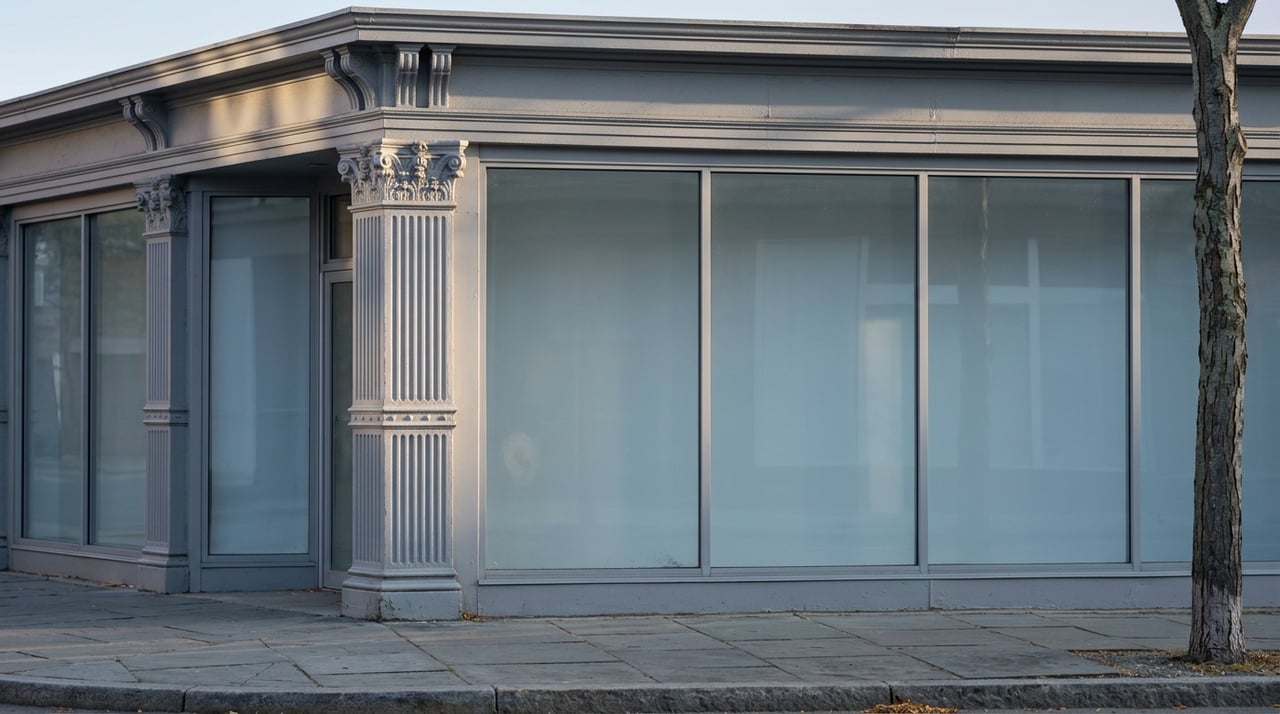
Newer Upper East Side condos often call for a different visual approach. These homes may have open layouts, expansive glazing, terraces, and a more contemporary architectural language. In those cases, staging should sharpen the sense of volume and light.
Choose a gallery-like presentation
A gallery-style approach often works well in modern condos because it allows views, finishes, and scale to lead. Furniture should define zones without interrupting openness. The room should feel polished, but not busy.
This style can be especially effective when the architecture is already strong. Clean lines, lower-profile pieces, and controlled color can help floor-to-ceiling windows and outdoor connections read more dramatically in photos and showings.
Curate art with intention
In luxury staging, art should function as part of the room’s architecture. It should reinforce scale, create calm focal points, and support circulation. Because listing photos and virtual assets play such a large role in buyer engagement, art placement should be deliberate rather than decorative for its own sake.
If the apartment has bold views or strong finishes, art may need to be quieter. If the room is more minimal, a single larger work can help establish proportion. In either case, less is often more.
How to choose your staging direction
Many sellers ask whether they should lean classic or contemporary. The answer usually depends on the home itself. The most effective staging does not impose a trend. It translates the architecture into a visual story that buyers can understand immediately.
A simple way to decide is to look at three elements:
- Architecture: Is the home defined by pre-war detail or modern volume?
- Light: Does the apartment feel warm and layered, or bright and crisp?
- Buyer impression: What should a buyer remember first, the character of the rooms or the openness of the layout?
If the home’s strength is heritage, choose a restrained, elegant presentation that honors detail. If the home’s strength is openness and light, a more contemporary approach may feel more natural. In either case, consistency matters more than excess.
Staging should connect to launch assets
On the Upper East Side, staging should not stand alone. It should feed directly into the listing launch package. NAR reports that buyers rely heavily on listing photos, detailed property information, and floor plans, and that floor plans are among the most requested visual assets after photos.
For luxury properties, that means your marketing materials should work as one coordinated system. Furnishings and styling should support photography. Photography should support floor plans and video. Virtual tours should help buyers understand layout, furniture fit, and flow.
What to include in the launch package
A strong launch package for a luxury listing may include:
- Professional photography
- Floor plans
- Video assets
- Virtual tour materials
- Detailed property information
When these elements are developed together, the home feels more coherent from the first online impression to the private showing. That kind of clarity matters because early engagement can influence whether a listing gains traction.
What to do before photography
Even beautiful homes need preparation before the camera arrives. NAR recommends decluttering, cleaning, depersonalizing, completing minor repairs, painting where needed, and using professional photography. Removing pets during showings is also part of a cleaner presentation.
For an Upper East Side luxury property, the standard should be especially high. Surfaces should feel intentional, not empty. Closets, entries, and secondary rooms should support the same level of polish as principal rooms.
A practical pre-photo checklist includes:
- Remove excess furniture and accessories
- Clear countertops and tabletops
- Minimize personal items
- Complete touch-up repairs
- Confirm lighting works consistently throughout the home
- Prepare key rooms first, especially the living room, primary bedroom, and kitchen
The real goal of design-led staging
At the top of the market, buyers are not simply comparing listings by countable features. They are responding to confidence, coherence, and emotional clarity. Design-led staging helps your home communicate those qualities without saying too much.
That is especially true on the Upper East Side, where architecture and presentation carry real weight. When staging is handled with discipline and taste, it can help a property feel memorable, legible, and aligned with the expectations of today’s digital-first luxury buyer.
If you are preparing to bring an Upper East Side residence to market, a carefully curated presentation can shape how the home is perceived from the first image onward. For a private consultation on bespoke staging and launch strategy, connect with Filippa Edberg-Manuel.
FAQs
Which rooms matter most when staging an Upper East Side luxury home?
- The living room matters most, followed by the primary bedroom and kitchen, based on NAR staging research.
How should you stage a pre-war co-op on the Upper East Side?
- Use fewer, well-scaled pieces, keep architectural details visible, and choose a restrained look that supports the home’s original character.
How should you stage a newer Upper East Side condo?
- A cleaner, gallery-like presentation often works best because it helps highlight open layouts, light, views, and contemporary finishes.
What should be included with staging for an Upper East Side luxury listing?
- Staging should connect to professional photography, floor plans, video assets, virtual tour materials, and detailed property information.
Why do listing photos matter so much for luxury sellers on the Upper East Side?
- Buyers search online first, and photos are one of the most useful features during that search, so visual presentation can strongly influence early interest.
How do you choose between classic and contemporary staging for an Upper East Side home?
- Let the home’s architecture, light, and overall impression guide the choice so the staging feels consistent with the property rather than imposed on it.