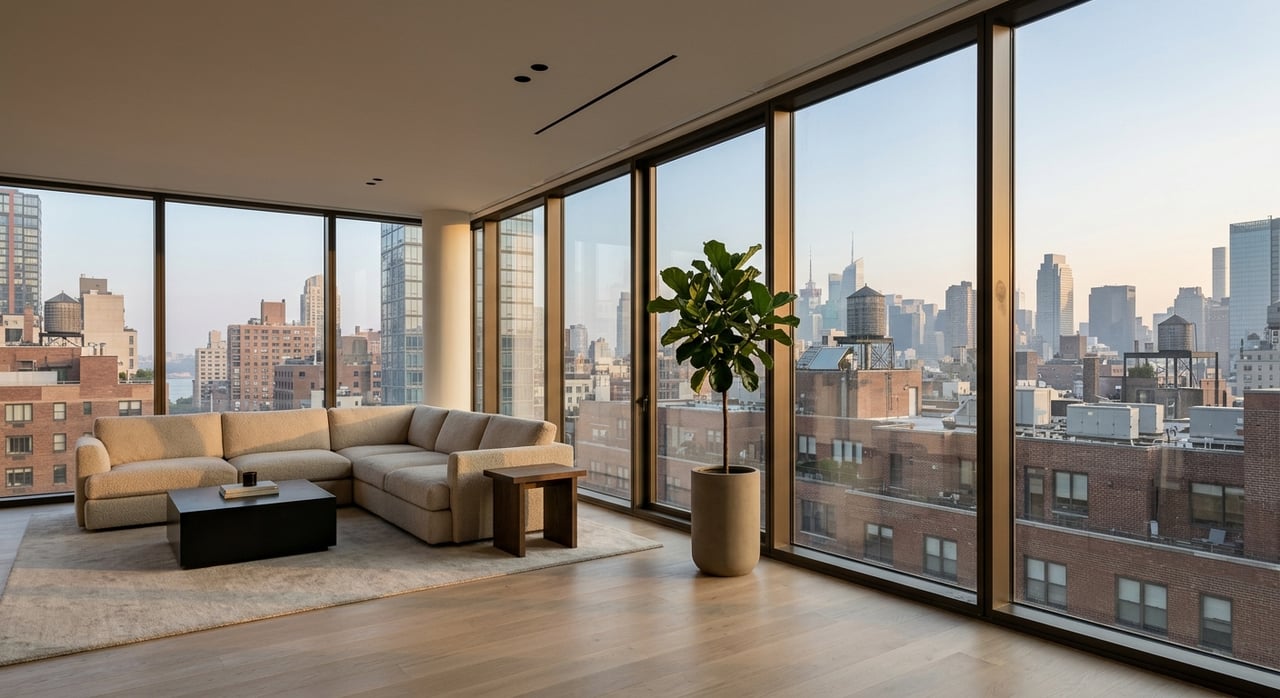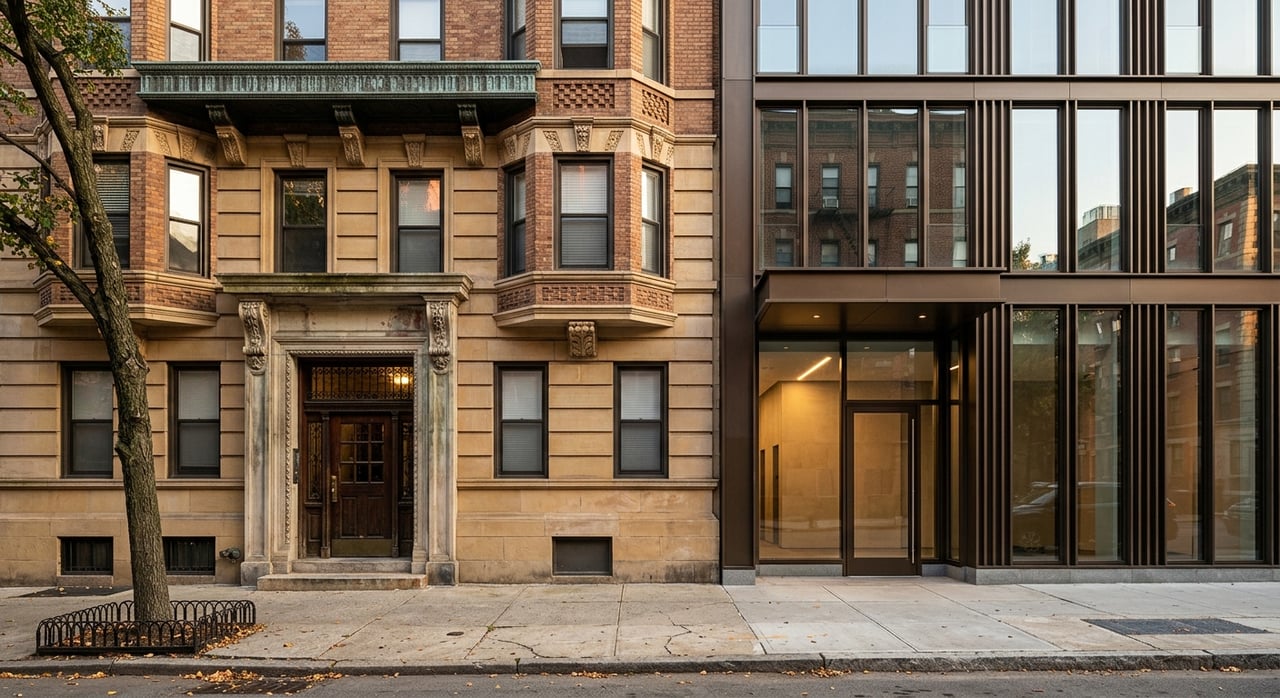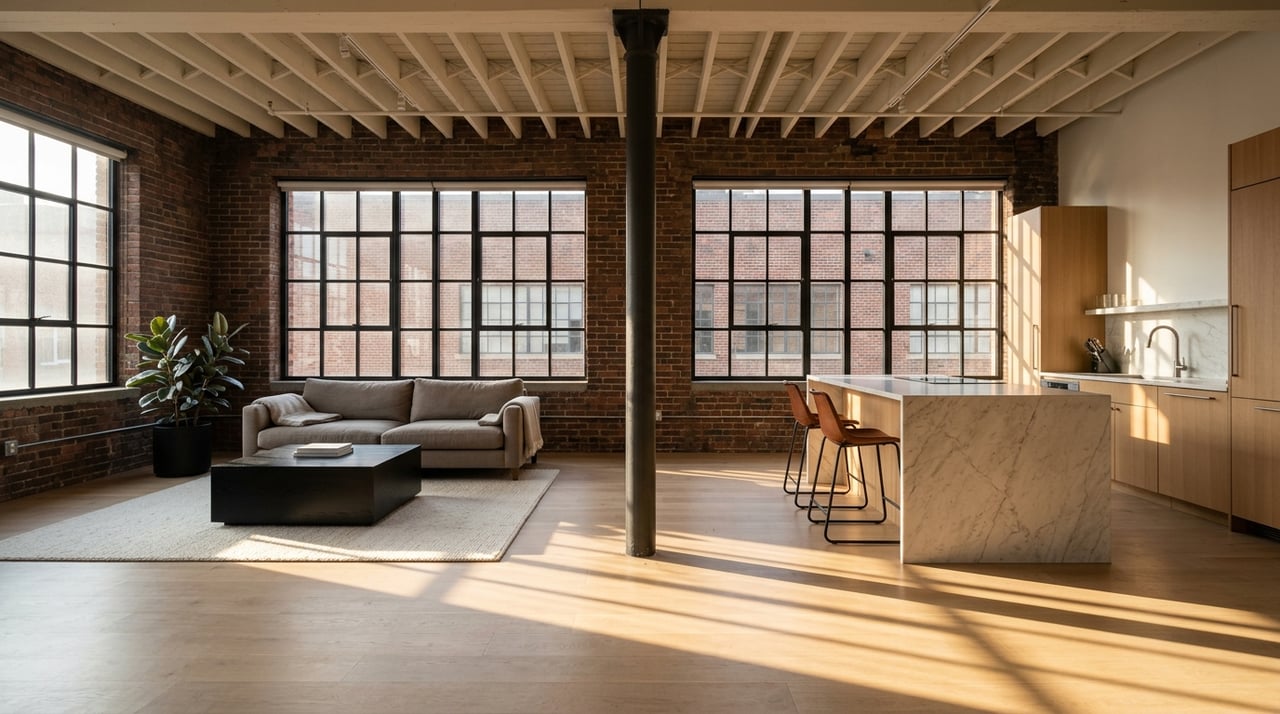
If you are drawn to loft living, NoHo tends to stay with you. It is not just about square footage or a dramatic great room. It is about living inside a part of Manhattan where historic architecture, art, dining, and street life all shape how home feels. This guide will help you picture that experience more clearly, from the look of the buildings to the rhythm of daily life. Let’s dive in.
NoHo Feels Distinctly Urban
NoHo is a compact Manhattan district with a strong identity. It sits within Community Board 2 and is framed by a central, transit-accessible location with a long connection to commerce, jobs, and culture. The NoHo BID defines its service area as the blocks from Houston Street to Astor Place and from Mercer Street to Lafayette Street.
What you notice first is the texture of the neighborhood. The streetscape is shaped by meandering alleyways, cobblestones, and a mix of historic and contemporary buildings. Around Broadway, Mercer, Lafayette, Bowery, Cooper Square, and East 9th Street, the setting feels architectural and layered rather than uniform.
Loft Living Starts With the Buildings
The feeling of loft living in NoHo begins with the historic building stock. The NoHo Historic District includes about 125 buildings dating from the early 1850s through the 1910s, and the NoHo East Historic District adds 42 more buildings. These areas are defined by store-and-loft buildings, early row houses, and later commercial structures.
Many of the facades are built in cast iron, stone, brick, marble, and terra cotta. According to the Landmarks Preservation Commission, these buildings are typically four to twelve stories tall and roughly 25 to more than 75 feet wide. That scale gives NoHo a more intimate street wall than many parts of Midtown, while still feeling unmistakably Manhattan.
Inside, that history often translates into homes that feel open, flexible, and slightly industrial in spirit. Generous wall planes, strong sightlines, and broad living areas are often part of the appeal. Still, each loft is different, and buyers should treat that feeling as common to the neighborhood rather than guaranteed in every residence.
The Layout Often Feels Open and Flexible
One of the biggest draws of a NoHo loft is how space can read. In former store-and-loft buildings, interiors may feel less compartmentalized than a traditional apartment layout. That can create a calmer visual flow and a stronger sense of volume.
For some buyers, that means a home that feels ideal for entertaining, collecting art, or simply enjoying a less broken-up floor plan. For others, it raises practical questions about privacy, storage, or how separate each room really feels. In NoHo, those questions matter because the charm of the loft often comes from adaptive reuse rather than a standard new-build format.
What to Look at During a Tour
When you walk a NoHo loft, focus on how the space truly functions day to day. A dramatic first impression matters, but the details tell you more.
- How open is the floor plan in practice?
- Which areas feel flexible, and which are fixed?
- What parts of the building or unit may be protected by landmark rules?
- How does the block feel later in the evening?
- How much street activity reaches the home?
Preservation Shapes the Experience
In NoHo, preservation is not just a backdrop. It is part of ownership. Landmark status means the Landmarks Preservation Commission must approve alterations, reconstruction, demolition, or new construction affecting a designated building.
For buyers, that can be a meaningful part of the appeal. Historic consistency helps preserve the neighborhood’s visual character and keeps new development aligned with the surrounding context. At the same time, it can mean renovation freedom is more limited than in a non-landmarked area.
That is why a thoughtful buying process matters here. If you are considering a loft with plans to rework the space, it is wise to understand what is possible, what may require approval, and how the building’s protected features affect future changes.
Daily Life Feels Cultured and Connected
NoHo loft living is not only about what happens inside your home. It is also about what happens the moment you step outside. The neighborhood has a dense concentration of cultural, academic, and dining destinations, which gives daily life an active and social rhythm.
Cooper Union adds a steady flow of students, design conversations, and events around Cooper Square and East 7th Street. Grey Art Museum is now at 18 Cooper Square, and Merchant’s House Museum on East 4th Street adds another historic and cultural layer nearby. In a compact area, those institutions make the neighborhood feel engaged with ideas and creative life.
The NoHo BID’s gallery guide also reflects how close art is to everyday routines. Places such as The Hole on Bowery, Aicon on Broadway, Eric Firestone Gallery on Great Jones, and La MaMa La Galleria are part of the local mix. Even a short walk home can feel like moving through a district shaped by design and culture.
Dining and Street Life Add Energy
NoHo also has a strong dining presence, and that changes the neighborhood mood throughout the day. The BID highlights destinations such as ATLA, BondST, Il Buco, Indochine, Lafayette Grand Cafe and Bakery, The Library at The Public, and The Nines. That concentration creates a setting that often feels lively, polished, and social.
This matters if you are deciding whether NoHo fits your lifestyle. Some buyers love the sense that coffee, dinner, galleries, and conversation are all woven into a few blocks. Others want to understand more clearly how that energy feels on their specific street, especially after dinner service.
Street-Level Care Matters Here
The neighborhood’s day-to-day feel is also shaped by active district management. The NoHo BID says it invests in sanitation, graffiti removal, public safety, landscaping, business support, marketing, advocacy, and streetscape beautification. That kind of maintenance helps the area feel polished and intentional at street level.
NoHo Is Evolving Carefully
NoHo’s loft culture is tied to the period when artists occupied former industrial lofts in the 1970s and 1980s. That creative legacy still informs how people think about the neighborhood today. It remains a place where architecture and cultural life feel closely connected.
The city’s 2021 SoHo/NoHo Neighborhood Plan updated the zoning framework to allow more housing, support arts and cultural uses, and guide new buildings so they fit the historic context. For buyers, that suggests an area that is evolving, but not in a way that ignores its architectural identity. The emphasis is on fitting into the neighborhood rather than overwhelming it.
Who Usually Connects With NoHo Loft Living
NoHo tends to resonate with buyers who want more than a standard apartment experience. If you are drawn to historic commercial architecture, open visual volume, and a neighborhood where culture spills into ordinary routines, this part of Manhattan may feel especially compelling.
It can also appeal if you value a home that feels design-aware without feeling overly polished or generic. The experience is less suburban comfort and more urban portrait. You are buying into a daily rhythm of architecture, movement, conversation, and street presence.
What Loft Living Feels Like in Practice
At its best, loft living in NoHo feels composed yet alive. You may leave a home with broad sightlines and historic bones, walk past cast-iron facades and cobblestones, stop for coffee, pass a gallery, and return later to a street still carrying energy from dinner service. The neighborhood gives the home a longer narrative.
That is the real difference. In NoHo, a loft is rarely just an interior product. It is part of a preserved architectural setting and a compact cultural ecosystem, and that combination is what gives the lifestyle its lasting appeal.
If you are considering a purchase in NoHo and want a thoughtful, design-aware perspective on what truly sets one loft apart from another, Filippa Edberg-Manuel offers private, discreet guidance tailored to Manhattan’s most distinctive properties.
FAQs
What does loft living in NoHo usually feel like?
- It often feels open, flexible, and connected to the neighborhood’s historic store-and-loft architecture, with a strong sense of visual volume and an urban, design-forward atmosphere.
What makes NoHo different from other Manhattan neighborhoods?
- NoHo stands out for its compact footprint, historic loft buildings, cobblestone and alley-like streets, central location, and dense mix of cultural and dining destinations.
What should buyers ask when touring a NoHo loft?
- You should ask how open the layout truly is, what can be reconfigured, which building features may be protected, and how the block feels during the evening.
What does landmark status mean for a NoHo property?
- In designated buildings, the Landmarks Preservation Commission must approve certain exterior-related changes, reconstruction, demolition, or new construction affecting the property.
What is daily life like around NoHo lofts?
- Daily life often feels active and polished, with nearby museums, galleries, dining destinations, academic institutions, and BID-supported streetscape services shaping the neighborhood experience.
Is NoHo mainly about the apartment or the neighborhood setting?
- It is both, but the setting is a major part of the appeal because the loft experience is closely tied to NoHo’s preserved architecture, cultural activity, and street-level energy.