Selling a SoHo loft quietly sounds simple until you remember where you are. In one of Manhattan’s most visible neighborhoods, privacy can be hard to protect when the street below is busy and the loft itself is built for openness. If you want to preserve discretion without sacrificing value, the right preparation matters. Here is how to get a SoHo loft ready for a quiet sale with a strategy that feels polished, controlled, and credible from the start.
Why quiet sales fit SoHo
SoHo is a natural market for discreet selling. The neighborhood is dense, high-traffic, and visually exposed, with a built environment shaped by former textile factories and the open-plan lofts buyers still seek today. That combination can make broad public marketing feel misaligned for owners who value privacy.
It is also a market where thoughtful positioning can still attract serious interest. Recent Redfin data showed a median SoHo sale price of $3.8 million over the prior three months as of May 2026, with an average 128 days on market. Broader Manhattan luxury data from Corcoran showed active inventory down 2% year over year and sales above $2 million up 4%, which helps explain why curated, low-exposure campaigns can still resonate with qualified buyers.
Define what a quiet sale means
A quiet sale is not the same as an unprepared sale. It simply means you choose a more selective path to market, one that limits broad exposure while preserving control over who sees the property and when. In a loft setting, that control can be especially valuable.
In New York City, REBNY provides useful options for privacy-minded sellers. Participant Only listings are not publicly disseminated and can be shared only through one-to-one personalized communication, while Owner Opt Out listings are also kept off public websites and portals entirely. REBNY also offers a Coming Soon status, which can help you prepare the property and campaign before wider release.
Start with an architecture-first edit
Even if your sale will be private, presentation still drives perception. Buyers do not stop being selective just because access is limited. In fact, a quieter campaign often places even more weight on every image, every showing, and every first impression.
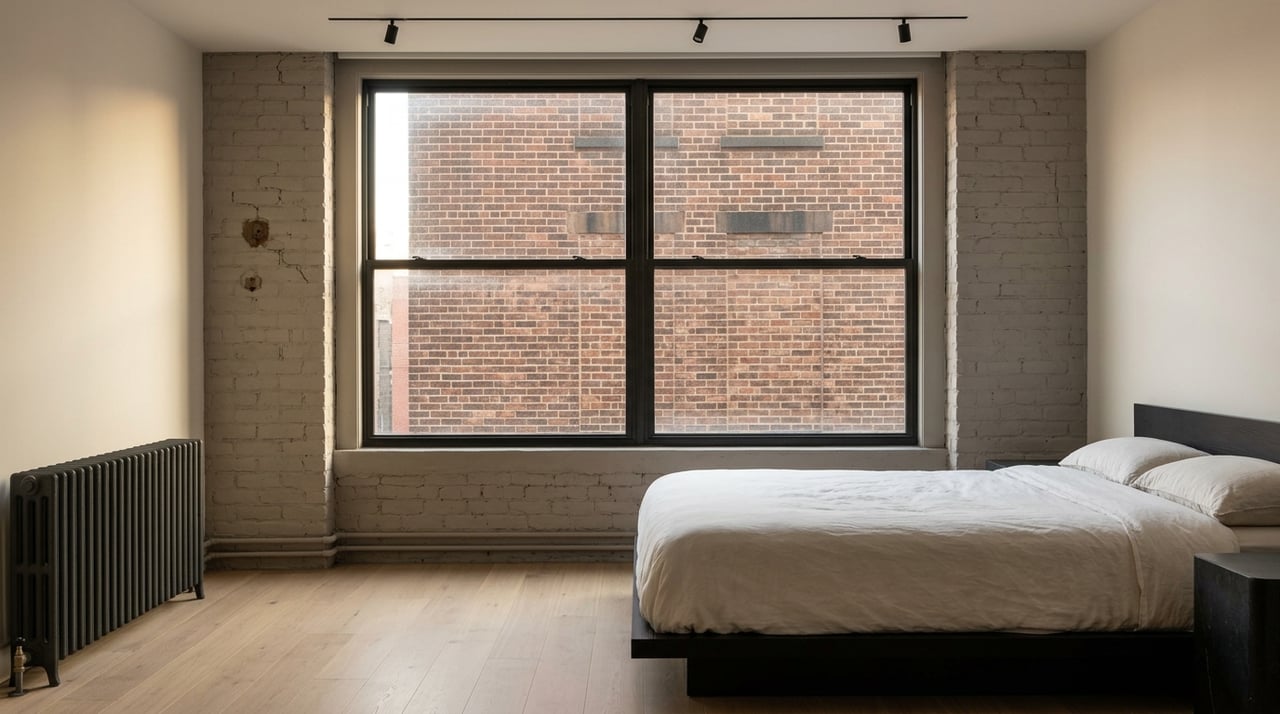
For a SoHo loft, the main goal is clarity. Open layouts can feel expansive and elegant, but they can also feel vague if the space is not edited well. Each area should read with purpose so a buyer can immediately understand scale, circulation, and daily use.
Define each loft zone clearly
A loft often lives as one continuous volume, so your furniture plan has to create structure. The living area, dining area, sleeping area, workspace, and any flex zones should feel intentional rather than improvised. When each zone is legible, the loft feels larger, calmer, and more livable.
This matters in person and on camera. NAR guidance notes that undefined spaces make it harder for buyers to imagine living in a home. In a SoHo loft, that means editing the plan so the architecture leads and the lifestyle reads instantly.
Reduce clutter aggressively
Lofts are known for openness, but clutter can flatten that effect fast. NAR notes that the camera magnifies clutter and poor furniture arrangement, which makes disciplined editing especially important before photography or private tours.
Start by paring down furniture, clearing surfaces, and reducing visual noise. Distracting art, overcrowded shelving, and overfilled storage can pull attention away from ceiling height, light, windows, and volume. The goal is not to erase personality, but to let the space speak first.
Prioritize light and cleanliness
Good lighting tends to photograph better, and spotless presentation always matters. NAR recommends opening blinds and preparing the home carefully before the shoot. In lofts with large windows and long sight lines, light can shape the entire mood of the property.
A clean, bright loft feels more resolved and more valuable. It also supports the kind of gallery-quality presentation that suits SoHo architecture. When buyers see calm, light-filled rooms, they are more likely to focus on the loft’s proportions and details rather than its maintenance.
Build privacy into the prep
Discretion should be part of the setup, not something you worry about after photos are taken or tours begin. In a quiet sale, you are trying to limit both unnecessary exposure and unnecessary risk. That starts inside the home.
NAR’s safe-listing guidance recommends removing valuables, mail, family photos, awards, medications, and weapons from plain view. For many sellers, these steps are practical and reassuring, especially in a home with open shelving, visible workspaces, or personal collections.
Remove personal identifiers
A private sale should still feel welcoming, but it should not reveal more than necessary. Family photographs, diplomas, awards, and visible correspondence can expose personal information and distract from the property itself.
By removing those items early, you make the loft feel more composed and protect your privacy at the same time. That balance is particularly important in SoHo, where many homes are both architecturally expressive and personally curated.
Secure sensitive items before showings
Do not wait until the day of a showing to think about security. Valuables, medications, and other sensitive belongings should be stored out of sight before photography begins and remain secured throughout the campaign.
This is one of the simplest ways to make private tours feel controlled. It also reduces last-minute stress, which helps every showing feel calmer and more polished.
Choose a discreet launch structure
The right listing structure helps you control exposure without losing momentum. This is where strategy matters. A quiet sale works best when it is intentional, not vague.
NAR describes office-exclusive and delayed-marketing options as alternatives to immediate public marketing. An office-exclusive exempt listing is not publicly marketed, while a delayed-marketing exempt listing remains active but is temporarily limited in IDX and syndication. During that delayed-marketing period, the seller and broker can market the property in the manner that best fits the seller’s needs, subject to applicable law.
Match the structure to your goals
If your top priority is confidentiality, a non-public option may be the right fit. If you want time to prepare the loft while maintaining flexibility, a delayed-marketing or Coming Soon approach may offer a useful middle path.
The best choice depends on your timeline, privacy needs, and buyer pool. What matters most is that the launch structure supports the larger plan rather than working against it.
Keep access appointment-only
A quiet sale should feel measured from the first inquiry onward. Appointment-only access helps you maintain that tone while reducing unnecessary foot traffic through the home.
NAR notes that showings of delayed-marketing listings are subject to the seller’s instructions and applicable law. In practice, short, well-managed tours can be an effective way to preserve privacy and keep the experience focused.
Screen for serious buyers
Selective exposure works best when paired with serious-buyer qualification. The goal is not to create friction for the sake of it. The goal is to spend your time with people who are ready and credible.
A practical framework includes preapproval, identity verification, and tightly scheduled private appointments. CFPB notes that a preapproval letter tells the seller the buyer is likely able to get financing, and sellers frequently require one before accepting an offer.
Ask for financial readiness
Financial readiness is a reasonable part of a discreet campaign. If a buyer is requesting access to a high-value loft in SoHo, it is sensible to confirm they are positioned to move forward.
That process can help reduce disruption and protect your privacy. It also signals that the sale is being handled with care rather than casually circulated.
Keep the language feature-focused
Buyer screening must stay consistent with fair housing rules. New York City guidance makes clear that real estate advertising should focus on property features and that language about protected classes is prohibited. The same guidance notes that income and credit checks are not inherently discriminatory.
That means your marketing can be selective without implying who the home is or is not for. In practice, the copy and imagery should center on the loft itself, including layout, scale, finishes, light, and building details.
Check building and approval issues early
Before you promise improvements or finalize marketing, confirm what the building file says. In SoHo, that review is especially important because the neighborhood’s historic fabric and loft history can create extra layers of diligence.
If the property sits within a landmarked area, the Landmarks Preservation Commission states that most exterior alterations require approval before work begins. Interior work generally does not require LPC review unless it needs a DOB permit, affects the exterior, or involves a designated interior landmark.
Review landmark implications
If you are considering any pre-sale updates, check whether approvals may be required before starting. Even small changes can affect timing if they touch regulated elements. LPC also states that owners must keep landmarked property in good repair, which makes maintenance review part of smart pre-sale planning.
For a quiet sale, fewer surprises mean stronger buyer confidence. Confirming the approval path early helps you avoid delays later.
Confirm loft-law or legalization status
If the loft is an IMD or has Loft Law history, the file deserves close review. DOB and the Loft Board note that legal conversion can trigger building-code, zoning, fire-safety, and energy-code requirements.
That means it is wise to check legalization status, outstanding violations, and any unresolved work before the campaign begins. Buyers may be more comfortable moving quickly when the property record is clear and organized.
Why preparation still pays off
A private sale is not a shortcut around market standards. It is a more selective version of the same discipline. The loft still needs to look exceptional, the process still needs to feel orderly, and the buyer still needs confidence.
NAR’s 2025 Profile of Home Staging reported that 29% of agents saw a 1% to 10% increase in offered value from staging and 49% saw faster sales. Buyers’ agents also identified photos, physical staging, videos, and virtual tours as highly important. Even in a discreet campaign, those fundamentals matter because your audience may be smaller, but its expectations are often higher.
When a SoHo loft is edited with care, launched through the right privacy framework, and shown only to qualified buyers, a quiet sale can feel every bit as rigorous as a public one. In many cases, it feels more deliberate, more respectful, and more aligned with the property itself.
If you are considering a discreet sale in SoHo, Filippa Edberg-Manuel offers private, design-led guidance tailored to Manhattan’s most sensitive listings.
FAQs
What is a quiet sale for a SoHo loft?
- A quiet sale is a selective selling approach that limits broad public exposure while using controlled marketing, private showings, and qualified buyer outreach.
How should you stage a SoHo loft for a private sale?
- You should define each living zone clearly, reduce clutter, improve lighting, and keep the loft spotless so buyers can understand the layout and focus on the architecture.
What listing options help keep a SoHo sale discreet?
- In New York City, privacy-minded options can include REBNY
Participant Only,Owner Opt Out, andComing Soon, depending on your goals and timing.
Can you require buyer screening in a quiet SoHo sale?
- Yes, financial readiness checks such as preapproval and identity verification can help screen for serious buyers when handled in a lawful, consistent way.
What building issues should you review before selling a SoHo loft?
- You should review landmark-related approval needs, property maintenance issues, and any Loft Law or legalization status that could affect buyer confidence or closing timing.
Does staging still matter in a discreet Manhattan sale?
- Yes, staging and strong visual preparation still matter because presentation can influence both buyer interest and the pace of the sale, even in a limited-exposure campaign.